

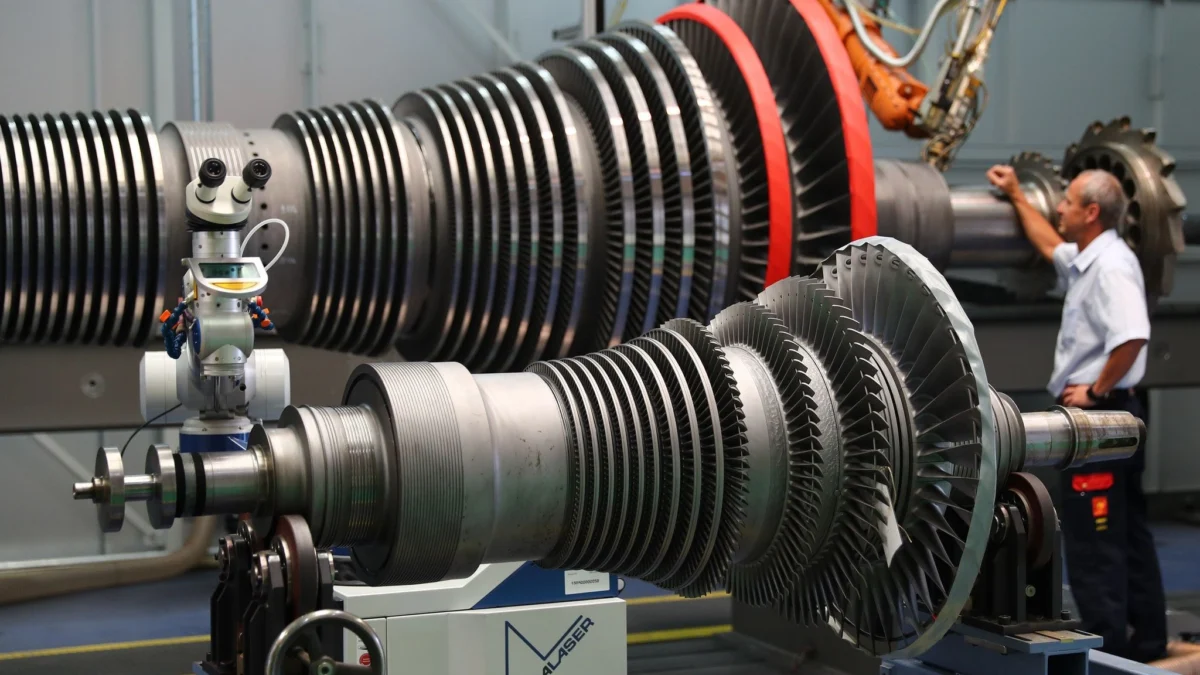
Munich – Siemens Energy is actively preparing for a significant spin-off of its "Transformation of Industry" (ToI) division, encompassing its vital steam turbine and hydrogen business. In a move that could reshape the company’s strategic direction, Siemens Energy is reportedly working with the prominent U.S. investment bank Goldman Sachs to explore a potential sale of this lucrative segment. Industry sources suggest that the Supervisory Board could make a definitive decision on this multi-billion euro carve-out as early as today.
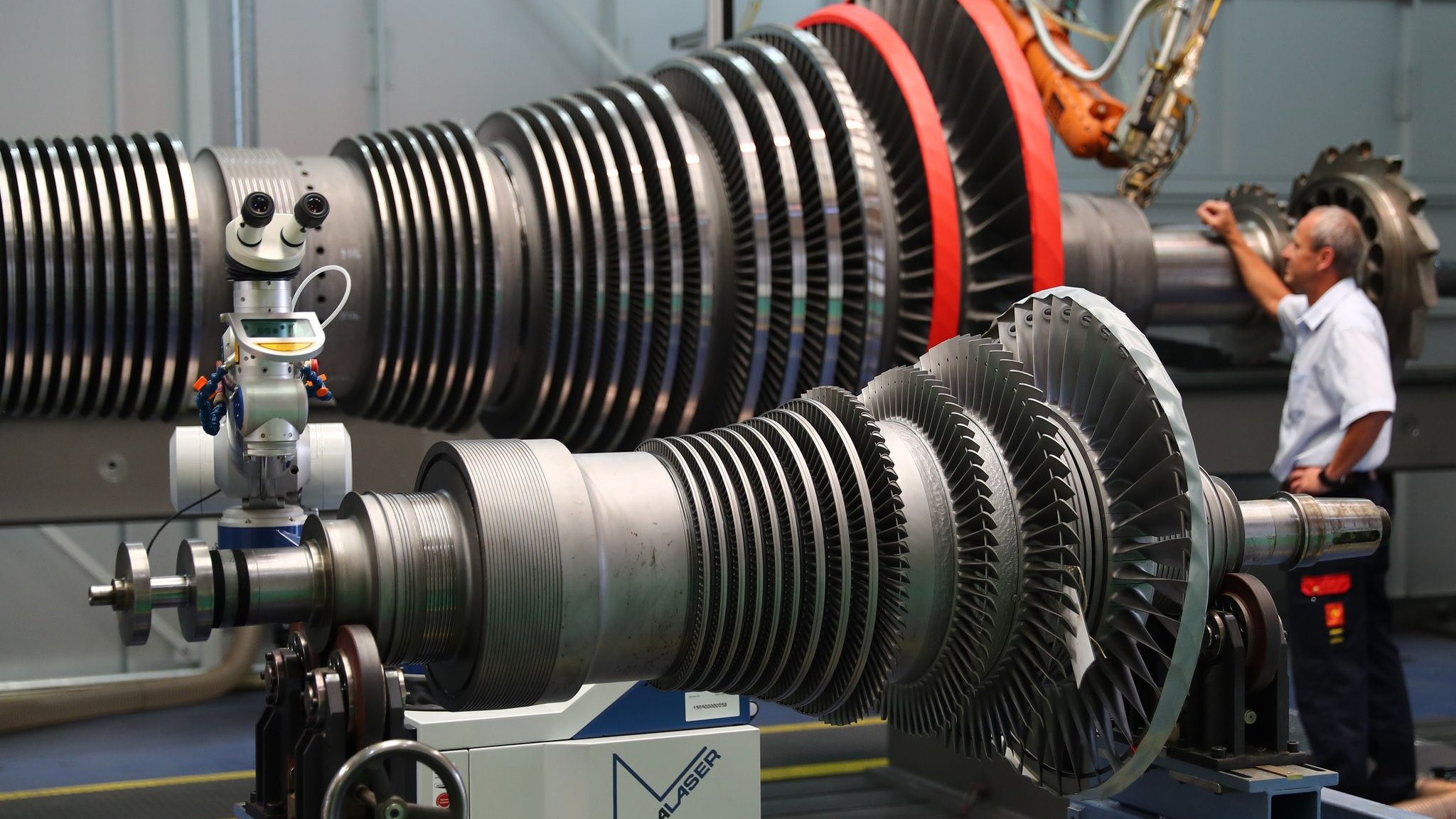
This strategic maneuver signals a significant shift for Siemens Energy, a company already navigating a complex market landscape marked by the energy transition and evolving global demand. The ToI division, a cornerstone of the company’s operations, generated €5.7 billion in revenue in the last fiscal year and employs over 15,000 individuals. Its portfolio includes not only steam turbines and hydrogen electrolyzers, crucial for the decarbonization of industrial processes, but also generators and compressors, vital components for power generation and industrial applications.
Strategic Rationale Behind the Spin-Off
The potential spin-off and sale are driven by several strategic imperatives. Firstly, Siemens Energy aims to unlock the full value of the ToI division, which may be constrained within the broader conglomerate structure. A separate entity could attract more targeted investment and foster greater operational agility. Secondly, the company is likely seeking to streamline its business portfolio and focus on its core competencies, particularly in areas like grid technologies and industrial applications where it sees greater growth potential and synergies.

The energy sector is undergoing a profound transformation, with a growing emphasis on renewable energy sources and sustainable technologies. While the ToI division is integral to this transition, particularly through its hydrogen electrolyzer business, its capital requirements and market dynamics might differ significantly from other parts of Siemens Energy. A carve-out would allow Siemens Energy to allocate capital more strategically across its various business units, potentially strengthening its balance sheet and enhancing its ability to invest in future growth areas.
Goldman Sachs Engaged to Gauge Market Interest
The involvement of Goldman Sachs underscores the seriousness of the undertaking. The investment bank’s role is to assess the market for potential buyers and to advise Siemens Energy on the optimal structure and valuation for the deal. This process typically involves extensive due diligence, financial modeling, and engagement with a range of potential strategic and financial investors.
Initial reports indicate that several private equity firms are already examining potential bids. Among those reportedly showing interest are CVC Capital Partners, EQT, and Bain Capital. Brookfield and KKR are also said to be considering offers. The valuation of the ToI business in a potential sale could exceed €10 billion, reflecting its significant market share and strategic importance in the global energy infrastructure landscape.
A Glimpse into the "Transformation of Industry" Division
The "Transformation of Industry" division is a critical player in enabling the global shift towards more sustainable industrial practices. Its steam turbine technology is a mature but essential component of conventional power generation, while its advanced hydrogen electrolyzers are at the forefront of the burgeoning green hydrogen economy. Green hydrogen, produced using renewable electricity, is seen as a key decarbonization solution for hard-to-abate sectors such as heavy industry, transportation, and chemical production.

The division’s products are instrumental in a variety of applications:
- Power Generation: Steam turbines are a primary driver for thermal power plants, including those utilizing natural gas and, increasingly, those designed for future hydrogen combustion.
- Industrial Processes: Generators and compressors are fundamental to numerous industrial operations, from chemical manufacturing to oil and gas processing.
- Green Hydrogen Production: The electrolyzer business is a growth engine, catering to the increasing demand for green hydrogen as a clean energy carrier and industrial feedstock.
The strategic importance of this division to the energy transition cannot be overstated. Its potential divestment raises questions about the future trajectory of Siemens Energy’s commitment to these specific technologies and its broader role in the hydrogen economy.

Timeline of Developments and Potential Implications
While specific dates remain undisclosed, the current discussions suggest a rapid progression of these plans. The Handelsblatt first reported on potential spin-off plans in early August. The fact that a decision from the Supervisory Board might be imminent indicates that preliminary market sounding and internal evaluations have reached a critical stage.
The implications of such a significant divestment are far-reaching:

- For Siemens Energy: A successful carve-out and sale would significantly alter the company’s financial profile and strategic focus. It could provide substantial capital for reinvestment in core growth areas, such as offshore wind power, grid infrastructure, and industrial automation. However, it also means relinquishing a significant revenue stream and a division with deep technological expertise. The company’s future growth strategy will need to be clearly articulated to investors.
- For Potential Buyers: The acquisition of the ToI division would offer a substantial entry or expansion into key segments of the energy market. Private equity firms, in particular, would gain control of a business with established market positions and significant growth potential, especially in the green hydrogen sector. They would likely aim to optimize operations, potentially through further integration or restructuring, to maximize returns.
- For the Global Energy Market: The spin-off could lead to increased competition or consolidation within the steam turbine and hydrogen technology sectors. A new, independent entity might pursue a more aggressive growth strategy, potentially accelerating the deployment of hydrogen technologies. Conversely, if the division is acquired by a company with different strategic priorities, its development might be altered. The continuity of supply and innovation for customers will be a key consideration.
Market Reactions and Official Stance
As of this report, official statements from Siemens Energy, Goldman Sachs, and the mentioned financial investors have been guarded. Representatives from these entities have declined to comment on the ongoing discussions, a common practice during sensitive corporate transactions. This silence, however, often amplifies speculation and investor anticipation.
The stock performance of Siemens Energy will be closely watched in the coming days. Any concrete announcement regarding the spin-off or sale is likely to trigger significant market reactions, reflecting investor sentiment on the strategic move and its potential financial ramifications.
The Broader Context: Energy Transition and Corporate Strategy
Siemens Energy’s consideration of this divestment occurs against the backdrop of intense global efforts to transition to a low-carbon economy. The company, spun off from Siemens AG in 2020, has been tasked with charting its own course in the complex and capital-intensive energy sector. While the company has made strides in areas like renewable energy integration and grid stability solutions, it has also faced challenges, including significant losses in its wind power division.
The "Transformation of Industry" division represents a critical nexus of established industrial technology and emerging green solutions. Its potential separation highlights the strategic dilemmas faced by large industrial conglomerates in optimizing their portfolios to meet the demands of a rapidly evolving market. The decision will undoubtedly shape Siemens Energy’s identity and its contribution to the global energy landscape for years to come. The coming days are expected to bring clarity on whether this strategic repositioning will proceed, marking a new chapter for Siemens Energy and the energy sector at large.
