

Investors are making a robust return to the commercial real estate (CRE) market, propelled by a significant surge in liquidity from diverse financial sources. This renewed enthusiasm is evident despite the persistent challenge of elevated borrowing rates, signaling a pivotal shift in market sentiment. The latest data reveals a landscape where capital is actively seeking deployment, countering broader economic uncertainties and reshaping investment strategies across property sectors.
A Market in Motion: Key Indicators of Renewed Vigor
The month of July marked a critical turning point for CRE, recording its strongest monthly improvement in bidding activity in a year. This surge, detailed in the latest quarterly bidding and credit indexes released by JLL, underscores a rapid acceleration of investor confidence. Further highlighting the intensity of competition, July also registered the second-highest count of unique bidders in the index’s five-year history. This burgeoning demand is mirrored on the supply side of capital, with competition among lenders reaching levels well above previous record highs, indicating a robust and eager financing environment.
Lauro Ferroni, JLL’s head of capital markets research for the Americas, offered insightful commentary on these trends, noting "An interesting finding with the most recent data in this index is the lessening divergence between the credit intensity index and bid intensity index." Ferroni emphasized the predictive power of credit availability, stating, "We’ve actually found that the credit intensity index is a leading indicator for the bid intensity index, because credit availability sets the tone for liquidity." This observation suggests that the current abundance of available credit is not merely a reaction to increased bidding but is actively driving it, setting a positive foundation for future market activity.
Despite ongoing macroeconomic volatility and uncertainty that continue to ripple through the broader economy, bidding activity in CRE persists in its upward trajectory. Ferroni attributes this resilience to the sheer weight of active capital present in the market, suggesting it acts as a stronger counterforce against economic headwinds than initially anticipated. This confluence of readily available capital and investor appetite is forging a unique period of growth for the sector.
Chronology of a Comeback: From Pandemic Headwinds to Market Revival
The journey to this current state of robust investor interest has been anything but linear. The commercial real estate market experienced significant upheaval in the immediate aftermath of the COVID-19 pandemic. Initially, various CRE sectors, particularly office and some retail segments, faced unprecedented distress due to lockdowns, the rapid shift to remote work, and accelerated e-commerce adoption. This period was characterized by cautious lenders, diminished transaction volumes, and a general wait-and-see approach from investors.
Adding another layer of complexity, starting in early 2022, the Federal Reserve embarked on an aggressive campaign of interest rate hikes to combat surging inflation. The federal funds rate, which had hovered near zero for an extended period, was rapidly elevated, significantly increasing borrowing costs across all asset classes, including commercial real estate. This sharp rise in rates further cooled transaction activity, as higher financing expenses eroded potential returns, and investors recalibrated their valuation models. Many lenders, facing increased risks and tighter capital requirements, became more conservative, leading to a noticeable tightening of credit availability.
However, as the market moved through 2023, a gradual but discernible shift began to take hold. Fears of widespread defaults and a systemic collapse in CRE, particularly outside the embattled office sector, did not materialize as dramatically as some had predicted. Property values, while adjusting in some segments, showed resilience in others, and the underlying demand for certain asset types remained strong. This relative stability, coupled with the persistent need for investors to deploy capital in assets offering attractive yields, gradually coaxed lenders back into the market.
Sources of Surging Liquidity and Investor Rationale
The current resurgence in CRE liquidity is multifaceted, drawing from a wider array of financial conduits than seen in the initial post-pandemic years. Commercial mortgage-backed securities (CMBS), a vital component of the CRE financing ecosystem, have seen renewed activity. Insurance companies, traditionally significant players in long-term, stable investments, are actively increasing their allocations to real estate. Government agencies, through their various lending programs, continue to provide crucial support, particularly in specific housing and development initiatives. Furthermore, debt funds, known for their agility and ability to fill financing gaps left by traditional lenders, are contributing substantially to the capital flow.
This renewed willingness to lend and invest stems from several compelling factors. As Ferroni elaborated, "It’s because they like real estate. They want to increase their real estate books. In some cases, they can generate more of a yield there." In a volatile economic climate, commercial real estate, particularly in certain sectors, is perceived as offering attractive risk-adjusted returns compared to other investment avenues. Moreover, the market has largely absorbed the initial shocks of the pandemic and interest rate hikes without experiencing the widespread distress or defaults that many had feared. This demonstrated resilience has instilled a fresh wave of confidence among capital providers, signaling to them that the sector has navigated its recent challenges and is ripe for further investment.
Sector-Specific Dynamics: Winners and Those Still Navigating Headwinds
The influx of capital is not uniformly distributed across all CRE sectors; rather, it is concentrated in areas demonstrating strong fundamentals and growth potential.
Industrial Sector: Sustained Momentum
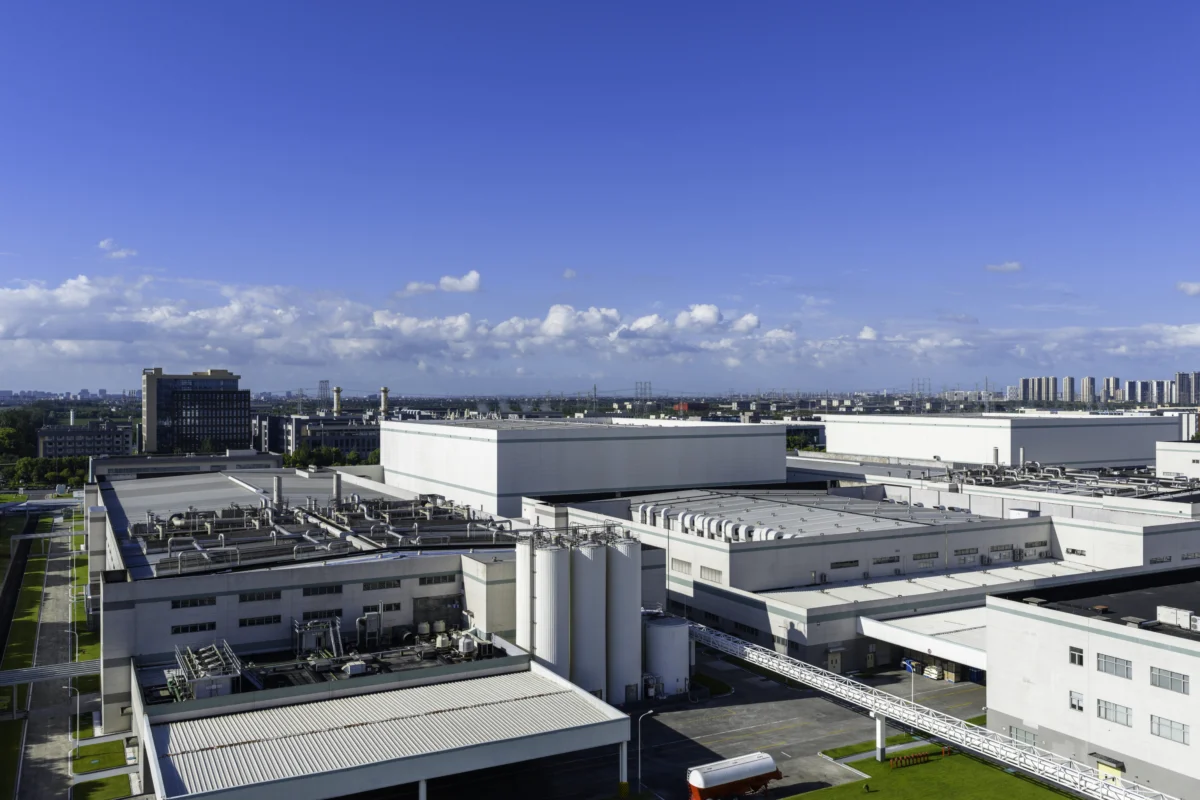
The industrial sector continues its multi-year streak of robust performance, attracting significant investor interest. This enduring strength is primarily driven by the relentless expansion of e-commerce, which necessitates vast networks of warehouses, distribution centers, and logistics facilities to support online retail operations. Beyond e-commerce, a more recent and powerful tailwind is the trend of reshoring and reindustrialization. Companies are strategically relocating or expanding manufacturing operations closer to the U.S. to mitigate supply-chain risks, shorten lead times, and, in some instances, reduce exposure to tariffs and geopolitical uncertainties.
A midyear report from CBRE vividly illustrates this trend, indicating that manufacturing leasing activity surged by an impressive 27% year-over-year. This growth reflects a profound recalibration of global supply chains, with significant investment pouring into sectors like semiconductor fabrication, electric vehicle battery production, and advanced materials manufacturing. These industries require specialized, large-scale industrial facilities, driving demand for new construction and pushing down vacancy rates in key logistical hubs. The long-term nature of these investments and their strategic importance position the industrial sector for continued strong performance.
Retail Sector: A Surprising Renaissance
Perhaps one of the most compelling narratives in the current CRE landscape is the resurgence of the retail sector. For years, retail real estate was widely considered one of the worst-performing segments, battered first by the rise of e-commerce and then by the amplified impact of the pandemic, which forced widespread store closures and fundamentally altered consumer behavior. The "retail apocalypse" narrative dominated discussions, leading many investors to shun the sector.
However, recent trends suggest a remarkable turnaround. Retail is now experiencing increased competitiveness, with investors actively seeking opportunities. This shift is partly due to the fact that many existing owners are enjoying strong returns and, consequently, have little interest in selling their properties, creating a scarcity that drives up demand. The sector’s revival is fueled by several factors: the resilience of necessity-based retail (grocery-anchored centers, drugstores), the evolution towards experiential retail (entertainment venues, dining districts), and the successful integration of omnichannel strategies by retailers. Physical stores are increasingly serving as showrooms, pickup points for online orders, and community hubs, demonstrating their continued relevance in a post-pandemic world. Furthermore, a slowdown in new retail construction over the past decade has limited supply, allowing existing, well-located properties to thrive as consumer spending patterns stabilize and even grow.
Multifamily Sector: Navigating a Supply Glut
In contrast to the buoyant industrial and retail markets, the multifamily sector remains the weakest performer in terms of bidding and credit activity. This segment is currently grappling with a historic supply of new construction, a phenomenon driven by robust demand and favorable financing conditions in previous years. While national vacancy rates are beginning to fall, this improvement is largely concentrated in newly built properties that are completing their lease-up phases.
A more nuanced picture emerges when examining stabilized vacancies, which strip out properties still in the initial lease-up period. According to CoStar, stabilized vacancies rose by 34 basis points in the second quarter of this year. This indicates that while new units are eventually being absorbed, the sheer volume of supply is creating competitive pressures on existing, established properties. Challenges also include affordability concerns in many major metropolitan areas, leading to slower rent growth or even slight declines in some submarkets. Higher interest rates are also impacting developers’ ability to finance new projects and investors’ capacity to acquire existing assets at previously acceptable cap rates, contributing to the sector’s current headwinds. The market will likely require additional time to fully absorb the substantial pipeline of new units before a widespread resurgence in investor competition is observed.
Broader Implications and Future Outlook
The Treasury Department’s recent move to buy long-term bonds holds significant implications for the CRE market. This action typically aims to lower long-term interest rates, which could directly benefit those currently underwriting property transactions by reducing their borrowing costs. More broadly, it signals a commitment to market stability and liquidity, boosting confidence among investors and empowering them to be more competitive in their bidding strategies. Such governmental interventions can act as a powerful catalyst, reinforcing positive market trends.
Lauro Ferroni, while optimistic, maintains a measured perspective on the future trajectory of CRE competition. He foresees "quite a bit of gas left in the tank for further growth," but tempers expectations by predicting that "it’ll be gradual, not explosive momentum." This assessment suggests a healthy, sustainable growth path rather than a speculative bubble. Ferroni’s concluding remark, "It doesn’t appear to be frothy at all," is a critical reassurance, indicating that the current market activity is grounded in fundamental demand and strategic capital deployment, rather than irrational exuberance.
The implications of this resurgence extend beyond the immediate real estate sector. Increased investment in CRE supports construction jobs, stimulates economic activity in local communities, and reflects a broader confidence in the long-term economic outlook. As capital flows into industrial and retail, it supports the logistical backbone of the economy and the evolving consumer landscape. While multifamily faces its own challenges, its eventual stabilization is crucial for housing affordability and urban development. The sustained flow of credit from diverse sources suggests a maturing market that has adapted to changing economic conditions and is poised for continued, albeit gradual, expansion in the coming years.
