

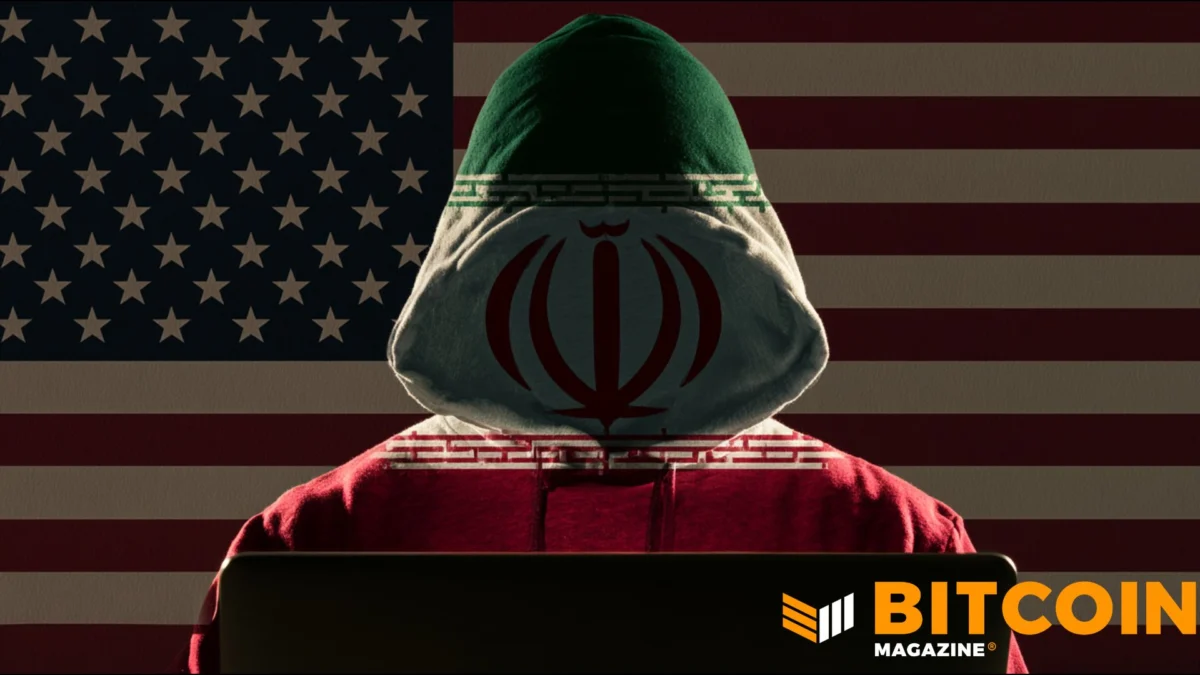
The United States Department of Justice has unveiled a sweeping indictment against 17 Iranian nationals accused of orchestrating a sophisticated, years-long cyber-theft campaign that targeted hundreds of academic institutions, dozens of corporations, and multiple government agencies across the globe. The operation, allegedly conducted on behalf of Iran’s Islamic Revolutionary Guard Corps (IRGC) and other Iranian government and university clients through the Mabna Institute, aimed to steal valuable intellectual property and research, with one alleged perpetrator attempting to extort HBO for $6 million in Bitcoin.
The charges, announced Tuesday, represent a significant escalation in the U.S. government’s efforts to combat state-sponsored cybercrime. The indictment details a pervasive network that exploited vulnerabilities to access sensitive data, the value of which is estimated in the billions of dollars. The scope of the alleged criminal enterprise underscores the growing threat of cyber espionage and its far-reaching economic and national security implications.
The Mabna Institute: A Hub for State-Sponsored Hacking
At the core of the alleged operation is the Mabna Institute, reportedly founded around 2013 by Gholamreza Rafatnejad and Ehsan Mohammadi. Prosecutors contend that the institute served as a front for hacking campaigns commissioned by Iran’s powerful IRGC, a branch of the Iranian armed forces known for its significant role in the country’s security apparatus. Beyond the IRGC, the Mabna Institute is accused of carrying out its illicit activities for a range of other Iranian government entities and academic institutions, effectively acting as a mercenary cyber-attack unit.
The indictment identifies 17 individuals as key players in this extensive scheme. Among them is Behzad Mesri, who had previously been charged in connection with the audacious hacking of entertainment giant Home Box Office (HBO). Following the theft of proprietary data from HBO, Mesri allegedly attempted to leverage this stolen information by demanding approximately $6 million in Bitcoin from the company. While the specifics of the HBO extortion attempt were highlighted, it represents only one facet of the broader criminal enterprise.
Five other defendants named in the indictment are Saeid Houshyar, Manouchehr Hashemloo, Keyvan Fayaz, Saber Shahbazi Ballojeh, and Arman Kahzadian, who are alleged to have been directly involved in the sophisticated hacking operations. The inclusion of these individuals, along with eight additional defendants not previously named, paints a clearer picture of the extensive network involved.
A Global Reach: Targeting Academia, Business, and Government
The cyber-theft campaign orchestrated by the Mabna Institute and its alleged operatives had a global footprint. The targets were vast and diverse, reflecting a strategic effort to acquire a wide array of sensitive information. Hundreds of U.S. and international universities were reportedly compromised, exposing a wealth of academic research and proprietary data. Dozens of private companies also fell victim, likely resulting in the theft of trade secrets, intellectual property, and confidential business information. Furthermore, at least five state and federal government agencies in the United States were targeted, raising significant national security concerns.
The value of the stolen research is staggering. U.S. institutions alone are estimated to have spent approximately $3.4 billion to acquire the very materials that were subsequently pilfered. Beyond the initial cost of acquiring this data, separate victims collectively incurred more than $20 million in expenses to remediate the security breaches and recover from the cyberattacks.
Reselling Stolen Data: A Profitable Enterprise
The alleged motivation behind these extensive hacking efforts extended beyond mere espionage; it appears to have been a lucrative commercial venture. Prosecutors assert that the stolen research was not solely intended for the intelligence services of Tehran. Instead, the Mabna Institute allegedly facilitated the resale of this stolen intellectual property through two distinct websites: Megapaper.ir and Gigapaper.ir.
These platforms served as illicit marketplaces where the pilfered data could be accessed or acquired. Gigapaper.ir, in particular, is described as having offered a chillingly convenient service: it allegedly allowed the rental of hijacked professor login credentials. This enabled Iranian customers to gain direct, unauthorized access to the digital libraries of foreign universities, effectively circumventing security measures and granting them entry into repositories of academic knowledge. This mechanism highlights the sophisticated and commercially driven nature of the alleged operation, transforming stolen research into a tradable commodity.
Timeline of Alleged Criminal Activity
While the indictment details a protracted campaign, the origins of the Mabna Institute can be traced back to approximately 2013. The subsequent years saw the alleged escalation of its activities, culminating in the widespread targeting of academic, corporate, and governmental entities. The charging of Behzad Mesri in relation to the HBO hack, and now his inclusion in this broader indictment, suggests that the activities of the Mabna Institute have been under investigation for a considerable period. The announcement of charges against 17 individuals signifies a culmination of these investigative efforts, aimed at dismantling a significant cyber-criminal network.
Official Responses and International Cooperation
The U.S. Department of Justice’s announcement underscores a commitment to prosecuting cybercrime, particularly when it is perceived to be state-sponsored. U.S. Attorney Jamie McDonald for the Southern District of New York emphasized the broad implications of the charges. "Today’s charges, which include eight additional defendants, reveal the broader network allegedly behind a sweeping, state-sponsored campaign to steal research and intellectual property from American universities, businesses, and government institutions," McDonald stated. This statement highlights the perceived national security imperative behind the investigation and prosecution.
In a significant move to aid in the apprehension of the alleged perpetrators, the U.S. Department of State’s Rewards for Justice program has announced a substantial bounty. The program is now offering up to $10 million for credible information leading to the location and identification of the defendants. This substantial reward signals the seriousness with which the U.S. government views the alleged crimes and its determination to bring those responsible to justice.
The nature of these cyberattacks, which transcend national borders, necessitates international cooperation. While the indictment is a U.S. action, the global reach of the targeted institutions suggests that other nations may also be pursuing investigations or cooperating with U.S. authorities. The fight against transnational cybercrime often involves collaborative efforts between law enforcement agencies worldwide.
Broader Implications and Analysis
The indictment against the 17 Iranians and the activities of the Mabna Institute carry significant implications for several key areas:
- National Security: The targeting of U.S. government agencies and the theft of sensitive research by entities allegedly linked to the IRGC raise profound national security concerns. The potential for such stolen information to be used for military or intelligence purposes is a critical consideration.
- Economic Impact: The sheer scale of the theft, both in terms of the value of the acquired data and the costs of remediation, represents a substantial economic blow to U.S. and international institutions. The erosion of intellectual property rights through such illicit means can stifle innovation and competitive advantage.
- Academic Integrity: The compromise of hundreds of universities and the potential theft of groundbreaking research undermine the integrity of academic pursuits. The unauthorized acquisition and resale of scholarly work can devalue legitimate research and create an uneven playing field for researchers globally.
- The Future of Digital Extortion: The alleged attempt by Behzad Mesri to extort HBO for Bitcoin highlights the evolving tactics of cybercriminals. The use of cryptocurrencies like Bitcoin, known for their relative anonymity, presents challenges for law enforcement in tracing illicit financial flows. This incident serves as a stark reminder of the persistent threat of ransomware and extortion in the digital age.
- State-Sponsored Cyber Activity: This case further solidifies the understanding that cyber warfare and espionage are increasingly becoming tools of statecraft. The alleged involvement of the IRGC suggests a deliberate, state-sanctioned strategy to gain strategic advantages through cyber means. This necessitates robust cybersecurity defenses and proactive measures to counter such threats.
The U.S. government’s action against the Mabna Institute and its alleged operatives represents a significant effort to hold perpetrators accountable for large-scale cyber-enabled theft. The long-term impact of these charges will depend on the success of international efforts to apprehend the defendants and disrupt the networks that facilitate such criminal enterprises. The case underscores the ongoing battle to secure the digital realm and protect valuable information from those who seek to exploit it for illicit gain.
