

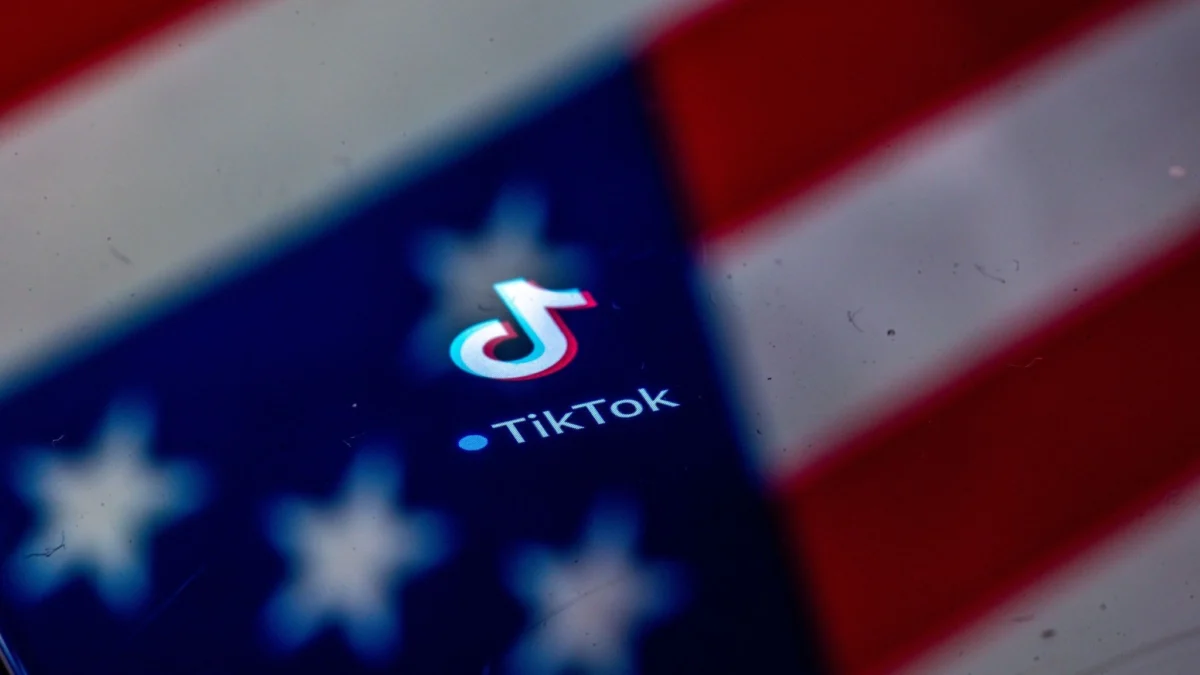
Washington D.C. – The popular short-form video platform TikTok has agreed to a substantial $400 million settlement to resolve investigations by U.S. authorities concerning its alleged collection of data from children. The U.S. Department of Justice announced the settlement, emphasizing that it does not involve an admission of guilt by TikTok. This resolution comes amidst ongoing scrutiny of the platform’s data handling practices and follows a significant shift in the ownership structure of TikTok’s U.S. operations, coupled with a comprehensive overhaul of its privacy policies.
The legal proceedings against TikTok were initiated in 2024 during the administration of former President Donald Trump, with the U.S. government filing a lawsuit. The core accusation centered on allegations that TikTok permitted children under the age of 13 to create accounts without obtaining verifiable parental consent, thereby violating the Children’s Online Privacy Protection Act (COPPA). This federal law is specifically designed to protect the online privacy of children under 13, requiring websites and online services to obtain parental consent before collecting, using, or disclosing personal information from children.
Background of COPPA and Online Platforms’ Age Verification
COPPA, enacted in 1998, has been a cornerstone of child online privacy protection in the United States. Under its provisions, online platforms that collect personal information from children under 13 must obtain verifiable parental consent. This often involves a multi-step process, such as requiring parents to provide a credit card number or use a government-issued ID to confirm their identity.
In response to COPPA and similar regulations globally, most American online platforms have established a minimum age requirement of 13 years for account creation. However, the challenge of enforcing this age restriction has persisted. Critics argue that many platforms have not been sufficiently diligent in preventing minors from circumventing these age gates, often by simply entering a false birthdate during the signup process. This loophole allows younger children to access platforms that may not be designed for their age group and potentially expose them to inappropriate content or data collection practices.
The Timeline of Legal Action and Ownership Changes
The legal battle between TikTok and U.S. authorities has been a protracted affair, interwoven with significant geopolitical considerations and national security concerns. The Trump administration had previously sought to ban TikTok entirely in the U.S., citing national security risks related to its ownership by China-based ByteDance. These efforts led to a period of uncertainty for the platform’s operations in the United States.
A pivotal development occurred when former President Trump’s administration pushed for the divestiture of TikTok’s U.S. business. Under a U.S. law, the China-based owner, ByteDance, was mandated to separate its U.S. operations from its global business for the app to continue operating in the country. This led to a complex negotiation process and ultimately, a directive for the majority of TikTok’s U.S. business to be transferred to a new entity with American investors. This significant ownership restructuring, which began to take shape more concretely in early 2026, was intended to secure the platform’s future in the U.S. market after nearly a year of legal and political limbo. While the U.S. operations are undergoing this transition, ByteDance continues to control TikTok’s business in the rest of the world.
The Allegations and the Settlement Terms
The lawsuit filed by the Department of Justice specifically accused TikTok of failing to adequately protect the privacy of its young users. The complaint detailed how the platform allegedly allowed children under 13 to create accounts, thereby collecting their personal information without the necessary parental consent. This practice, according to the government, directly contravened COPPA.
The $400 million settlement represents a significant financial penalty for TikTok. While the company has not admitted fault, the substantial sum underscores the seriousness with which U.S. regulators viewed the alleged violations. The settlement also mandates that TikTok implement a series of corrective measures to enhance its data privacy practices, particularly concerning minors. These measures are expected to include stricter age verification protocols and more robust parental consent mechanisms.
The Department of Justice highlighted that the settlement was influenced by several factors, including the aforementioned ownership changes within TikTok’s U.S. business and the platform’s commitment to overhauling its data privacy practices. This suggests that regulatory bodies considered the ongoing reforms and the future direction of the company when determining the terms of the agreement.
Supporting Data and Industry Context
The issue of children’s data collection on online platforms is not unique to TikTok. Numerous social media and online gaming companies have faced similar scrutiny and legal challenges over the years. Data from various child advocacy groups and privacy watchdogs consistently indicates that a significant number of children under COPPA’s age limit access and use online services.
For instance, reports from organizations like Common Sense Media have frequently pointed out that while platforms have age restrictions, the actual enforcement often falls short. Studies have shown that a considerable percentage of children lie about their age to access popular platforms, leading to unintended data collection and exposure to content not suitable for their age. This widespread phenomenon creates a continuous challenge for regulators and platform providers alike.
The financial implications of non-compliance with data privacy regulations can be substantial. Prior to TikTok’s settlement, other major technology companies have paid significant fines for COPPA violations. For example, Google has paid hundreds of millions of dollars in settlements with the Federal Trade Commission (FTC) and state attorneys general over YouTube’s alleged violations of COPPA. These precedents underscore the high stakes involved in protecting children’s online privacy.
Broader Impact and Implications
The $400 million settlement with TikTok carries significant implications for the broader digital landscape and the future of online privacy for children.
Firstly, it reinforces the commitment of U.S. authorities to enforce child privacy laws rigorously. The substantial penalty sends a clear message to all online platforms that compliance with COPPA and similar regulations is non-negotiable. Companies operating in the U.S. market must prioritize the protection of young users’ data and invest in robust mechanisms to prevent unauthorized data collection.
Secondly, the settlement is likely to accelerate the adoption of more sophisticated age verification technologies and parental control features across the industry. As TikTok commits to overhauling its practices, other platforms may feel compelled to follow suit to avoid similar regulatory action. This could lead to a more secure online environment for children, though it also raises questions about the balance between privacy and the potential for overreach in verification processes.
Thirdly, the resolution of this investigation, alongside the ongoing ownership changes, provides a degree of stability for TikTok’s operations in the United States. This clarity is crucial for the platform’s users, content creators, and advertisers, allowing them to plan and engage with greater certainty. However, the underlying concerns about data privacy and national security, particularly concerning the platform’s ties to China, may continue to be a subject of discussion and potential future scrutiny.
Finally, this case highlights the complex interplay between technology, regulation, and international relations. The U.S. government’s actions against TikTok have been influenced by a combination of domestic privacy concerns and geopolitical considerations. The outcome of this settlement, therefore, not only addresses a specific data privacy issue but also reflects the evolving landscape of digital governance in an increasingly interconnected world.
As TikTok moves forward with its revised privacy practices and navigates its new ownership structure in the U.S., the effectiveness of these changes will be closely monitored by regulators, privacy advocates, and the public. The $400 million settlement marks a significant chapter in the ongoing efforts to safeguard the digital lives of the youngest internet users.
