

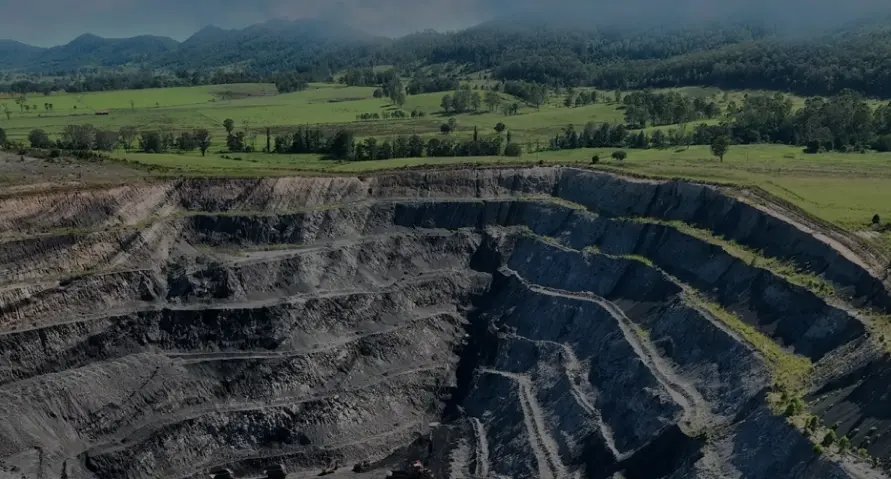
The New South Wales (NSW) government has officially granted planning approval for the Stratford Pumped Hydro and Solar project, a landmark $1.8 billion initiative designed to repurpose a former coal mining site into a massive renewable energy hub. Located approximately 100 kilometers north of Newcastle in the Hunter Valley, the project represents a significant milestone in Australia’s energy transition, marking the first pumped hydro approval in the state in over six years. Developed by Gloucester Coal Pty Ltd, a subsidiary of Yancoal Australia Limited, the project is poised to integrate 620 megawatts (MW) of combined renewable generation and long-duration energy storage capacity into the state’s power grid.
The Stratford Mining Complex, which ceased its coal extraction operations in early 2024, will serve as the foundation for this dual-technology facility. The project encompasses a 300 MW pumped hydro power station capable of providing 12 hours of energy storage, alongside a 320 MW solar farm. By utilizing the existing voids and infrastructure of the defunct mine, the project exemplifies a growing global trend of transforming "brownfield" industrial sites into "greenfield" clean energy assets.
Technical Specifications and Energy Capacity
The Stratford project is structured to address two critical needs of the modern electricity market: bulk renewable generation and firming capacity. The solar component, a 320 MW photovoltaic array, will generate clean electricity during daylight hours. This energy will either be exported directly to the grid or used to power the pumping mechanism of the hydro facility.
The pumped hydro element is designed with a 300 MW capacity and a discharge duration of 12 hours, totaling 3,600 megawatt-hours (MWh) of stored energy. This "long-duration" storage is vital for maintaining grid stability as NSW retires its fleet of aging coal-fired power stations. Unlike short-duration lithium-ion batteries, which typically provide two to four hours of backup, the 12-hour window provided by the Stratford facility can cover entire overnight periods or extended lulls in wind and solar production.
To generate electricity, the system will transfer water between a newly constructed upper reservoir and an existing dam (acting as the lower reservoir) via an underground tunnel and turbine system. During periods of low demand or high solar output, water is pumped to the upper reservoir. When demand peaks—typically in the evening—the water is released through turbines to generate electricity.
Strategic Location and Resource Management
The selection of the Stratford Mining Complex is predicated on its unique geographic and infrastructural advantages. Yancoal has highlighted that the site’s natural topography, existing land holdings, and proximity to high-voltage transmission lines make it an ideal candidate for pumped hydro development. One of the most significant environmental advantages of the project is its water management strategy.
Because the site already contains significant water volumes used during its mining tenure, the project will not require water from natural sources in the Gloucester Valley to operate. The initial "charge" of the reservoirs will be sourced directly from the mine’s existing water supply, minimizing the impact on local agricultural water needs and regional river systems. This closed-loop approach addresses one of the primary concerns often associated with large-scale hydro projects in water-stressed regions.
The NSW Electricity Infrastructure Roadmap and CSSI Status
The Stratford project is a cornerstone of the NSW Government’s Electricity Infrastructure Roadmap. This 20-year plan is designed to coordinate the investment necessary to replace the state’s coal-fired generation with a mix of renewables, storage, and transmission upgrades. In June 2024, the project was declared "Critical State Significant Infrastructure" (CSSI), a designation reserved for projects that are essential to the state for economic, social, or environmental reasons.
Minister for Planning and Public Spaces Paul Scully emphasized the strategic importance of the approval, noting that it signals a new era for the Hunter region. "This is the first pumped hydro project to secure final planning approval in NSW in six years," Scully stated. "It’s a sign of our commitment to a clean energy future and the beginnings of an evolution of jobs and energy generation in the Hunter to power homes and businesses."
According to state forecasts, the Stratford facility is expected to deliver approximately 13% of the NSW 2034 long-duration storage target. As coal plants like Eraring and Bayswater approach their scheduled decommissioning dates, the state requires approximately 2 gigawatts (GW) of long-duration storage by 2030 to ensure reliability.
Economic Impact and Regional Transition
The Hunter Valley has historically been the heart of Australia’s coal industry. The approval of the $1.8 billion Stratford project offers a blueprint for the region’s economic diversification. During the construction phase, the project is expected to create hundreds of jobs in engineering, earthmoving, and electrical systems. Once operational, it will provide long-term employment in facility management and maintenance.
By repurposing a site where mining ended in 2024, the project provides a direct transition path for the local workforce. Minister Scully remarked that projects like Stratford "show how we can make the most of former mining sites and create new jobs and industry which will help to drive the region’s economic growth for decades to come."
The project also provides a secondary economic benefit by "firming" the grid. By releasing stored energy during peak evening hours, the facility helps to mitigate price volatility in the wholesale electricity market, which can lead to lower and more stable energy costs for NSW households and businesses.
Chronology and Future Milestones
The path to the current approval has been a multi-year process involving environmental impact statements, community consultations, and technical feasibility studies.
- Pre-2024: Gloucester Coal/Yancoal identifies the Stratford Mining Complex as a candidate for renewable conversion during the mine’s closure planning.
- Early 2024: Coal mining operations at the Stratford site officially conclude.
- June 2024: The NSW Government declares the Stratford Pumped Hydro and Solar project as Critical State Significant Infrastructure.
- Late 2024: The NSW Department of Planning and Public Spaces grants formal planning approval.
Despite the planning green light, Yancoal has cautioned that the project is not yet at the "Final Investment Decision" (FID) stage. The company is currently conducting a comprehensive assessment of the project’s commercial viability. This phase includes determining the preferred ownership structure, securing funding, and establishing operating models.
"Government approval does not mean the project will necessarily proceed," a Yancoal spokesperson noted. The project will require final approval from the Yancoal Board and may be subject to further government assessments regarding its financial and grid-integration frameworks.
The Broader NSW Renewable Energy Pipeline
The Stratford approval comes at a time of unprecedented activity in the NSW renewable energy sector. Currently, more than 57 renewable energy projects—including wind, solar, battery storage, and transmission infrastructure—are under formal assessment by the state government.
If all of these projects are approved, they would represent 12.9 GW of generation capacity, enough to power approximately 6.68 million homes. Beyond the 57 projects currently being assessed, another 107 projects are in various earlier stages of the planning pipeline. This massive influx of capital is essential for NSW to meet its legislated target of a 70% reduction in emissions by 2035 and net-zero emissions by 2050.
The Stratford project is particularly notable because of the scarcity of pumped hydro approvals compared to solar and battery projects. While battery technology is rapidly advancing, pumped hydro remains the most proven and cost-effective method for large-scale, long-duration energy storage.
Analysis of Implications for the Energy Market
The approval of the Stratford project highlights a shift in the regulatory and political landscape of NSW. For years, pumped hydro projects faced hurdles related to high capital costs and complex environmental approvals. The "Critical State Significant Infrastructure" status for Stratford suggests that the government is now willing to streamline these processes to meet urgent energy security needs.
For the energy market, the Stratford project represents a "firming" asset. As the percentage of variable renewable energy (wind and solar) increases, the grid becomes more susceptible to fluctuations. A 300 MW facility that can "firm" the grid for 12 hours acts as a massive insurance policy against blackouts and price spikes.
Furthermore, the project sets a precedent for other mining companies. With dozens of coal mines in NSW and Queensland nearing the end of their lifespans, the Stratford model—using existing voids and water for pumped hydro—could be replicated across the country. This would not only solve the problem of mine rehabilitation but also accelerate the national transition to renewable energy.
Conclusion
The $1.8 billion Stratford Pumped Hydro and Solar project stands as a pivotal development in the New South Wales energy landscape. By bridging the gap between the state’s industrial past and its renewable future, the project promises to deliver significant environmental and economic dividends. While commercial and financial hurdles remain before construction can begin, the planning approval marks a decisive victory for the NSW Electricity Infrastructure Roadmap and provides a clear signal that the Hunter Valley will remain a central pillar of the state’s energy production for the next generation.
