

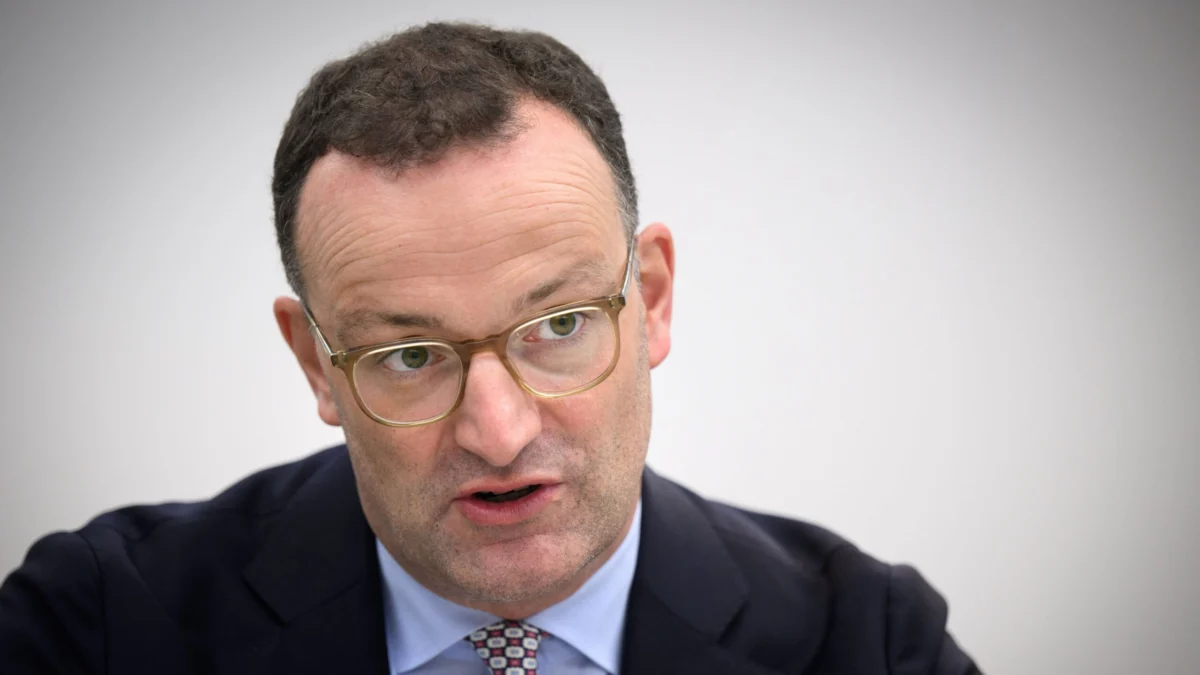
Jens Spahn has resigned as the chairman of the CDU/CSU parliamentary group in the Bundestag, citing the growing conflict between his personal decision to start a family through surrogacy and the expectations associated with his political office. The announcement, made in a letter to the members of the Union’s parliamentary group, marks a significant development in German political circles and reignites the ongoing debate surrounding surrogacy laws in the country. Spahn, a prominent figure within the Christian Democratic Union (CDU), conveyed his decision to the party leaders Friedrich Merz and Markus Söder.
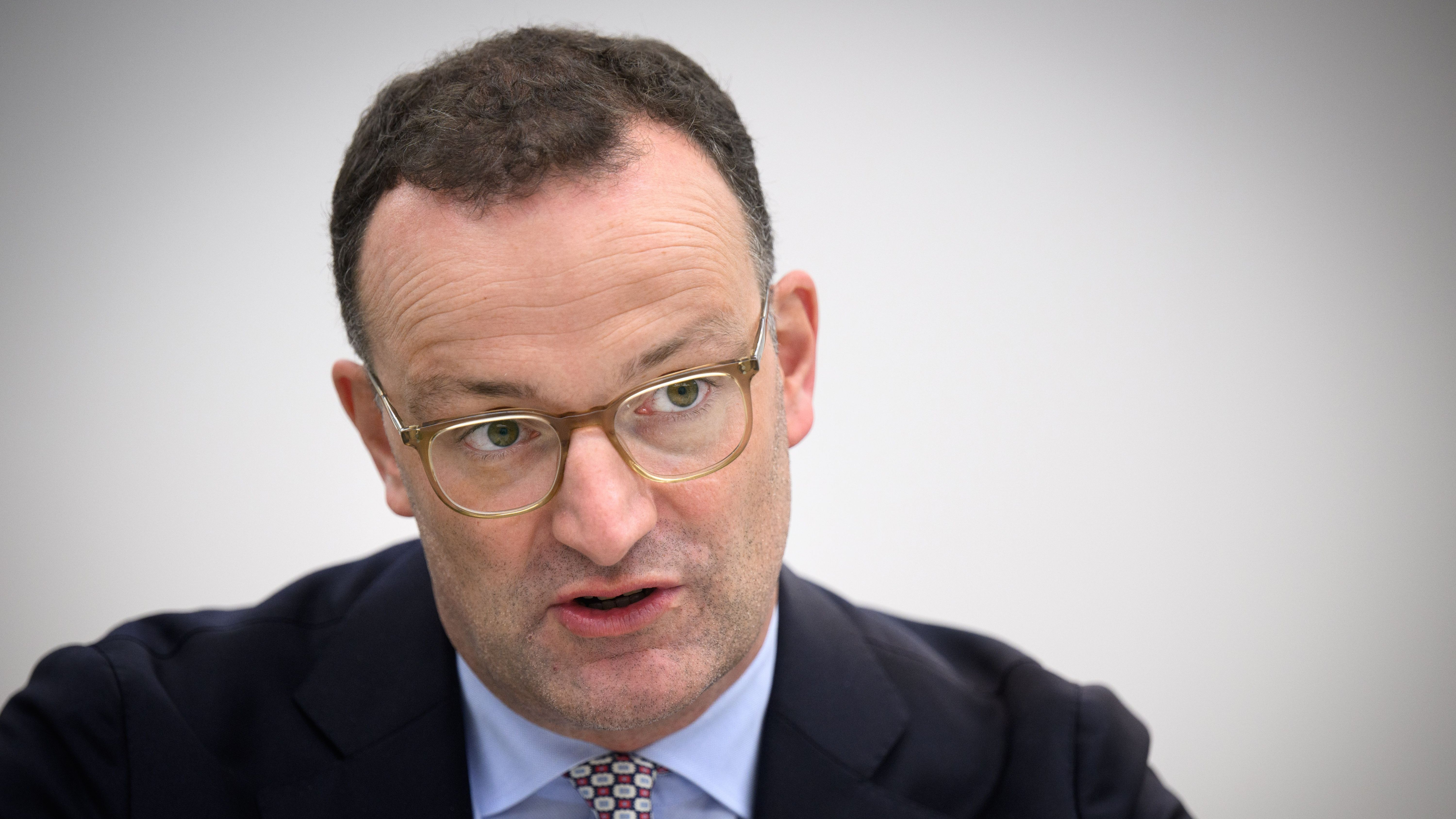
The Personal and Political Conundrum
In his letter, Spahn articulated the core of his decision: "In recent days, I have become aware that my personal happiness, founding a family together with my husband and becoming a father, is not compatible with my political office." He further elaborated that the "balancing act between my private decision for a child through surrogacy and the understandable expectation of me as the chairman of our group" had become greater than he had anticipated. This statement underscores the profound personal challenge Spahn faced, navigating the complexities of his private life against the backdrop of his public responsibilities and the sensitive nature of the surrogacy debate in Germany.
The decision comes at a critical juncture for the CDU/CSU, which is seeking to redefine its political identity and electoral strategy following recent electoral setbacks. Spahn’s leadership was seen by many as a symbol of a more modern, forward-looking CDU, yet his personal circumstances have now presented a challenge to that image, particularly within a party that has traditionally held more conservative views on family and social issues.

Background: The Surrogacy Debate in Germany
Surrogacy, the practice where a woman carries and gives birth to a child for another person or couple, is a legally and ethically complex issue in Germany. The German Embryo Protection Act (Embryonenschutzgesetz) prohibits the implantation of embryos in a surrogate mother and restricts the practice to prevent exploitation and ensure the welfare of all parties involved. While altruistic surrogacy is not explicitly criminalized, the legal framework surrounding it is restrictive, and commercial surrogacy is strictly forbidden.
The debate intensified in recent years with increasing calls for a reform of existing laws, driven by couples unable to conceive and by the growing international practice of surrogacy. Proponents of reform argue for a more regulated and humane approach, emphasizing the rights of intended parents and the well-being of children born through surrogacy. Opponents, however, raise concerns about the commodification of women’s bodies, potential exploitation, and the ethical implications of third-party reproduction. Spahn’s personal situation has brought these abstract debates into sharp focus, highlighting the real-life implications for individuals and families.
Timeline of Events Leading to Spahn’s Resignation
While the exact timeline of Spahn’s personal decision-making process remains private, the public announcement of his resignation indicates a period of intense deliberation. The news reportedly emerged over a weekend, with initial reports surfacing on Saturday.
- Saturday Morning: According to Handelsblatt, CDU party leader Friedrich Merz is said to have contacted the state chairmen of the CDU on Saturday morning to gauge their sentiment on the matter. This suggests that discussions and consultations were already underway at the highest levels of the party.
- Pre-Sunday Interviews: Reports from "Bild" newspaper indicate that several CDU state associations had already called for Spahn’s resignation prior to the Bundeskanzler’s (Chancellor’s) summer interview on ZDF, which was scheduled for Sunday. This suggests that the pressure on Spahn had been mounting and that a significant segment of the party leadership was unwilling to support him in his current capacity.
- The Letter to the Parliamentary Group: Spahn’s formal resignation was communicated through a letter to the members of the CDU/CSU parliamentary group, signaling his direct accountability to them and his intention to make a clear break from his leadership role.
Potential Successors and Party Dynamics
The resignation of a parliamentary group leader invariably triggers discussions about potential successors and the future direction of the party. According to reports, Kanzleramtsminister Thorsten Frei is being considered as a possible successor to Spahn. Frei, a member of the CDU, currently holds a significant position within the federal government and has experience in parliamentary affairs.

The selection of a new leader will likely be influenced by the internal dynamics of the CDU/CSU and the broader political landscape. Friedrich Merz, as the federal party leader, will play a crucial role in this process. The choice of successor could signal the party’s commitment to continuity or a shift in its political orientation. The recent electoral performance of the CDU/CSU has put considerable pressure on the party leadership to demonstrate renewed strength and strategic vision.
Broader Impact and Implications
Jens Spahn’s resignation has far-reaching implications, extending beyond the immediate political sphere:

- Reignited Surrogacy Debate: Spahn’s personal decision has thrust the highly sensitive issue of surrogacy back into the forefront of public discourse. It has amplified the voices of those advocating for legal reform, while also galvanizing opposition concerned about ethical and societal implications. The debate is likely to become more prominent in legislative discussions and public opinion shaping.
- CDU/CSU’s Image and Identity: The resignation raises questions about the CDU/CSU’s ability to embrace evolving social norms and family structures. As a party that has historically drawn support from conservative voters, navigating issues like surrogacy presents a significant challenge. The party’s response and the choice of Spahn’s successor will be closely watched for indications of its future direction.
- Political Leadership and Personal Life: Spahn’s situation highlights the increasing scrutiny that public figures face regarding their personal lives and how these intersect with their political roles. In an era of heightened media attention and social media discourse, politicians are often expected to embody certain values and lifestyles, leading to complex ethical dilemmas.
- Potential for Legislative Change: While Spahn’s resignation does not automatically translate into legislative reform, it may create a political climate more receptive to discussions about modernizing surrogacy laws. The personal experience of a prominent politician could humanize the issue and encourage a more empathetic and nuanced approach from lawmakers.
Data and Statistics on Surrogacy and Family Formation
While specific data on the number of German citizens opting for surrogacy abroad is difficult to pinpoint due to privacy and legal complexities, anecdotal evidence and reports suggest a growing trend. Many couples who cannot conceive through conventional means or due to medical reasons seek surrogacy services in countries with more permissive laws, such as the United States, Canada, or some Eastern European nations.
The German Federal Statistical Office (Destatis) provides data on births, but direct statistics on surrogacy births involving German parents are not readily available. However, studies and surveys conducted by organizations focusing on fertility and family planning often highlight the desire for parenthood among infertile couples, some of whom consider surrogacy as a viable option. The cost of surrogacy abroad can range from tens of thousands to over a hundred thousand euros, representing a significant financial commitment.

Official Reactions and Public Sentiment
While formal statements from political parties beyond acknowledging Spahn’s resignation are likely to be cautious, the public reaction has been varied. Supporters of Spahn have expressed understanding and empathy for his personal situation, commending his honesty and courage. They argue that his private life should not disqualify him from public service and that the law on surrogacy should be re-examined.
Conversely, critics have reiterated concerns about the ethical implications of surrogacy and the potential for exploitation. Some have also questioned the timing of his decision, suggesting it could have been made earlier to avoid disruption within the parliamentary group. The debate has been particularly lively on social media platforms, reflecting a wide spectrum of opinions.

The CDU/CSU parliamentary group will now face the task of electing a new leader, a process that will undoubtedly involve significant internal debate and negotiation. The outcome of this leadership transition will be a key indicator of the party’s future trajectory and its ability to adapt to the evolving social and political landscape of Germany. Jens Spahn’s departure from this prominent role, prompted by a deeply personal decision, underscores the enduring complexities of balancing public duty with private aspirations in the modern political arena.
