

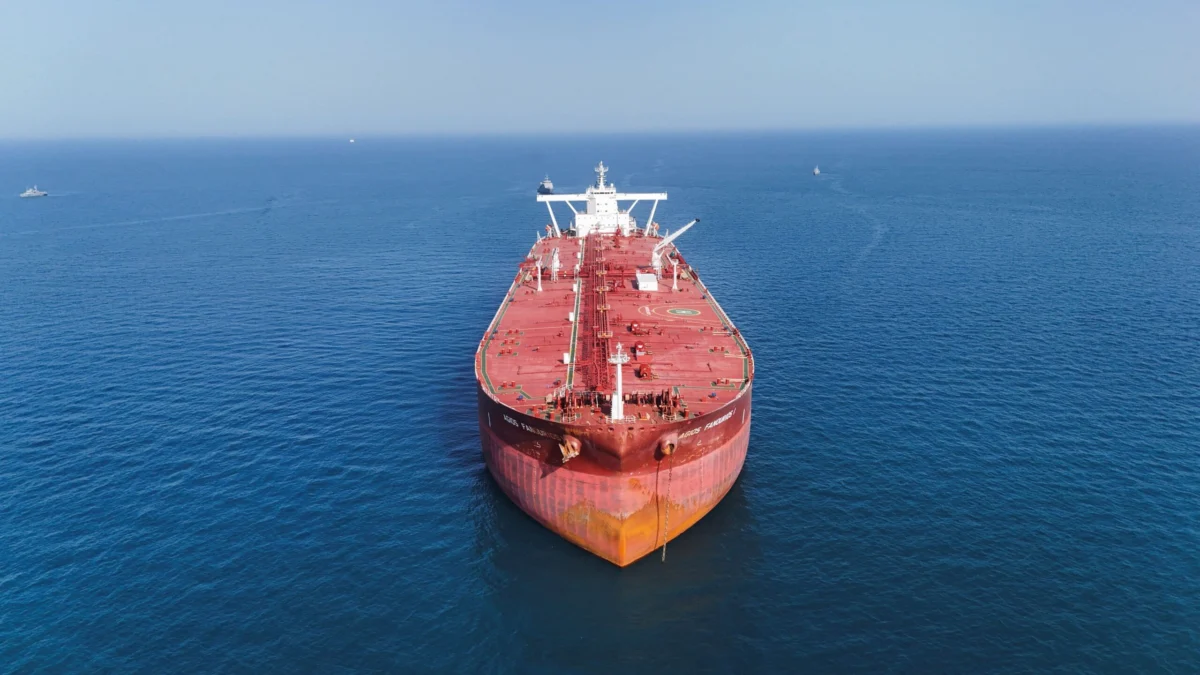
The Islamic Republic of Iran has once again asserted its control over the strategically vital Strait of Hormuz, effectively reversing a brief period of openness for international shipping. This move, announced by the Iranian armed forces headquarters, signals a hardening of the nation’s stance and has significantly dimmed prospects for renewed diplomatic engagement with the United States. The situation remains tense as global powers monitor the escalating geopolitical dynamics in the Persian Gulf.
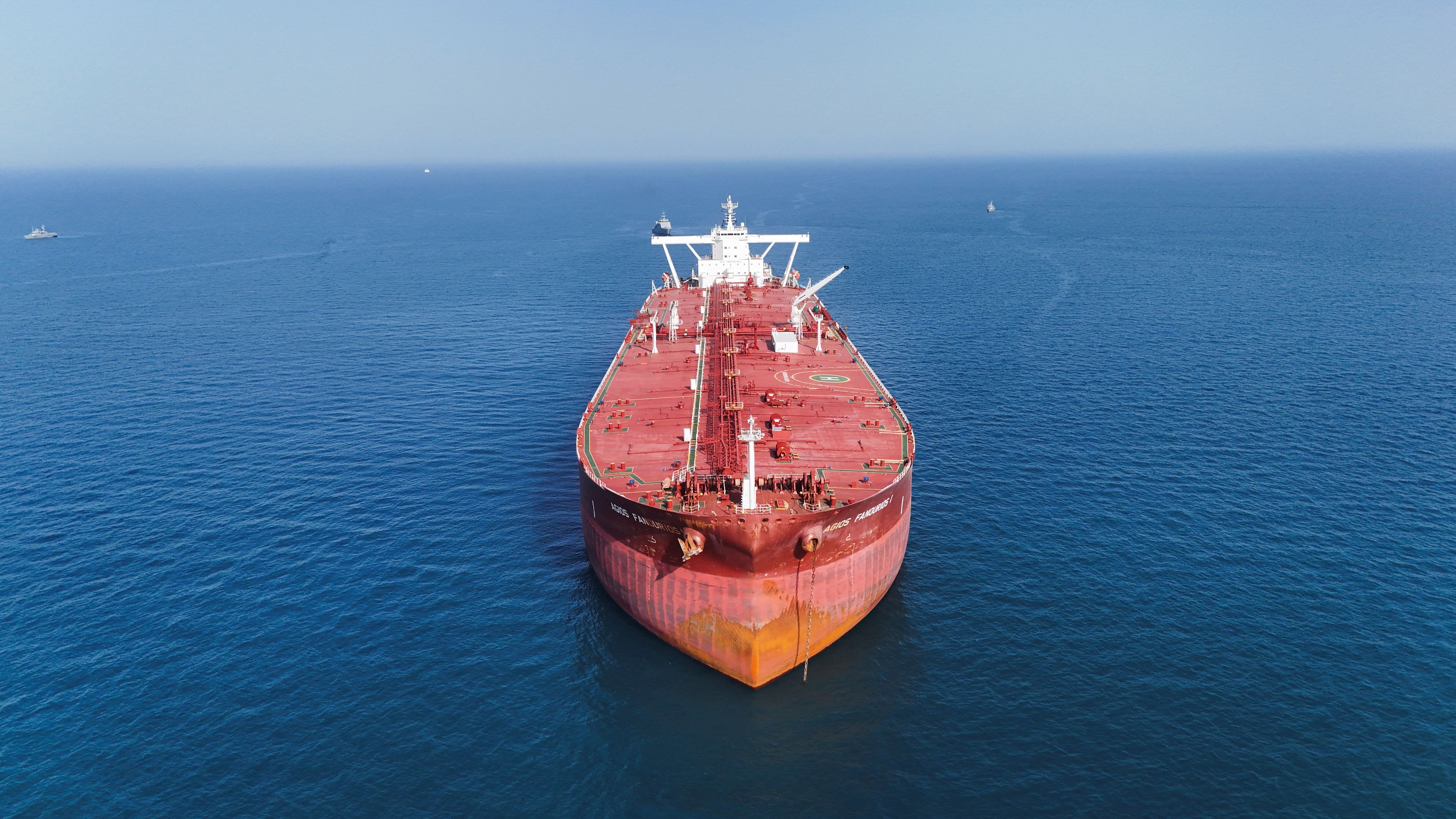
The decision to reimpose stringent controls follows accusations from Iran that the United States has continued its blockade of Iranian ports, thereby reneging on an implicit understanding that had allowed for a limited, controlled passage of oil tankers and merchant vessels through the strait. According to reports from the Fars news agency, Iran’s military leadership stated that the Strait of Hormuz has returned to its "previous state," implying a return to strict management and oversight by its armed forces. This signifies a strategic recalibration, moving away from a period of measured facilitation towards a more assertive assertion of national sovereignty and control over this critical maritime chokepoint.
Background and Escalation
The Strait of Hormuz, a narrow waterway connecting the Persian Gulf to the Gulf of Oman and the open sea, is one of the world’s most critical oil transit corridors. Approximately 30% of the world’s seaborne oil trade passes through this strait daily. Any disruption or control exerted over this waterway has immediate and far-reaching implications for global energy markets, international trade, and geopolitical stability.
For years, the Strait of Hormuz has been a focal point of regional tensions, particularly between Iran and the United States, which maintains a significant naval presence in the area. These tensions have often manifested in the form of naval standoffs, sanctions, and diplomatic disputes. The brief period of "controlled passage" that Iran has now reversed appears to have been a short-lived détente, possibly influenced by ongoing efforts to de-escalate broader regional conflicts or to facilitate specific trade routes under specific conditions. However, the stated reason for Iran’s reversal—the continuation of US port blockades—suggests that Iran perceives a lack of reciprocal commitment from the US side, leading to a strategic decision to reassert its authority.
The Iranian National Security Council has also indicated that in the future, passage through the Strait of Hormuz may be subject to payment. This potential new policy could encompass fees for security and environmental protection measures, a move that would represent a significant shift in the operational framework of this vital international waterway. Such a demand, if implemented, could further complicate international maritime law and create new avenues for friction.
Timeline of Recent Events
The situation has evolved rapidly, with key developments indicating a swift shift in Iranian policy:
- Early April 2026: Reports emerge of Iran facilitating a limited, controlled passage for a certain number of oil tankers and merchant vessels through the Strait of Hormuz. This period is characterized by a degree of measured openness, allowing for smoother transit than typically observed during periods of heightened tension.
- Mid-April 2026 (Specific Date Unspecified in Source): The Iranian armed forces headquarters announces the closure of the Strait of Hormuz, citing the continued US blockade of Iranian ports as the primary reason. This announcement marks the reversal of the earlier, more permissive policy.
- Evening of April 18, 2026: The news is updated to reflect the situation as of the evening, emphasizing the return of the Strait to its "previous state" of strict control. This suggests that the closure is effectively in place and being enforced.
This rapid sequence of events highlights the volatile nature of the geopolitical landscape in the Persian Gulf and the swiftness with which Iran can alter its maritime policies in response to perceived provocations or strategic calculations.

Supporting Data and Implications
The Strait of Hormuz is not merely a physical passage; it is a critical artery for global commerce. According to the U.S. Energy Information Administration (EIA), in 2023, approximately 21 million barrels of oil per day were transported through the strait. This figure underscores the profound impact that any disruption, even a temporary one, can have on global energy supplies and prices.
The renewed closure of the Strait of Hormuz carries several significant implications:

- Global Energy Markets: An extended closure or severe disruption could lead to a sharp increase in global oil prices. This would have a cascading effect on economies worldwide, contributing to inflation and potentially slowing economic growth. The market’s reaction would likely be immediate and pronounced, with futures contracts reflecting heightened risk premiums.
- International Shipping and Trade: Beyond oil, numerous other goods are transported through the Strait. A sustained closure would disrupt supply chains, leading to delays and increased shipping costs for a wide range of products, impacting industries from manufacturing to consumer goods.
- Geopolitical Tensions: The move escalates existing tensions between Iran and the United States, as well as with its regional allies. It increases the risk of naval incidents and could draw other international actors into the conflict. The strategic implications extend to broader efforts to maintain regional stability and prevent a wider conflict.
- Diplomatic Prospects: The Iranian vice foreign minister’s comments, which are reported to have dampened hopes for new negotiations, suggest that this move is not merely a tactical maneuver but may be indicative of a more entrenched policy. This could significantly complicate ongoing diplomatic efforts to resolve broader issues, such as Iran’s nuclear program and its regional activities.
Official Responses and Statements (Inferred)
While direct quotes from all parties are not provided in the original text, the actions and statements imply the following positions:
- Iran: The Iranian military headquarters and the National Security Council have clearly articulated their rationale: the continuation of US port blockades necessitated the reassertion of control over the Strait. The demand for future transit fees indicates a strategic desire to leverage control over the waterway for economic and political gain.
- United States: The Iranian accusation of continued blockades suggests that the US maintains its position regarding sanctions and port access. The US is likely to view Iran’s actions as a provocative attempt to disrupt international shipping and will likely respond with heightened naval vigilance and diplomatic pressure. A statement from the US State Department or Department of Defense would be expected, condemning the closure and reaffirming freedom of navigation.
- International Community: Nations heavily reliant on oil imports and those with significant maritime interests, particularly in Europe and Asia, would express grave concern. International bodies such as the United Nations and organizations like the International Maritime Organization (IMO) would likely call for de-escalation and adherence to international maritime law. Statements from key allies of the US, such as the United Kingdom and potentially NATO, would also be anticipated, emphasizing the importance of open sea lanes.
Analysis of Future Outlook
The current situation suggests a period of heightened uncertainty and potential risk. Iran’s decision to return the Strait of Hormuz to its "previous state" of strict control, coupled with the implicit threat of charging transit fees, indicates a strategic shift towards a more assertive and potentially confrontational posture. This move could be interpreted as a deliberate signal to the international community, particularly the United States, that Iran is prepared to wield its control over this critical waterway as leverage in ongoing geopolitical disputes.

The dimming of hopes for new negotiations, as alluded to by the Iranian vice foreign minister, points towards a potential deadlock in diplomatic efforts. This could lead to a prolonged period of heightened military readiness in the region, increasing the possibility of miscalculation and accidental escalation. The economic consequences, particularly for oil-importing nations, are likely to be significant, with potential price spikes and supply chain disruptions.
Moving forward, the international community will be closely watching for any signs of de-escalation or further aggressive actions. The response of the United States and its allies will be crucial in shaping the trajectory of events. Diplomatic channels, though currently appearing strained, will remain vital in seeking a peaceful resolution and ensuring the unimpeded flow of global commerce through this indispensable maritime route. The strategic importance of the Strait of Hormuz means that any significant disruption will have global ramifications, making its stable and open passage a matter of international concern.
