

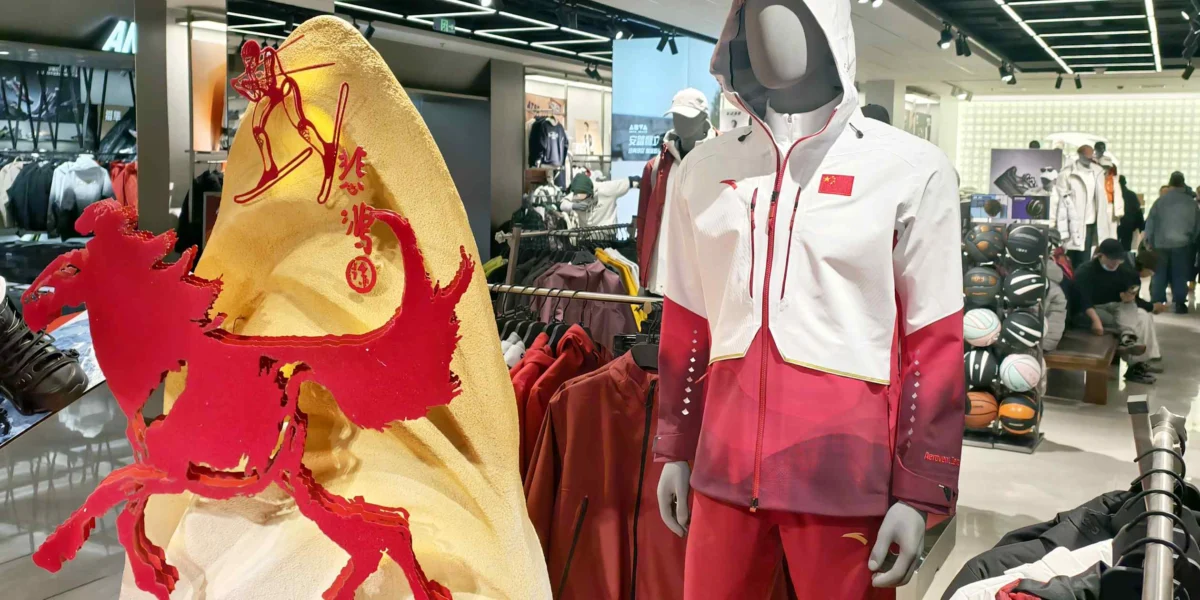
Chinese sportswear companies are aggressively pursuing international brand acquisitions as a strategic imperative to offset moderating growth in their highly competitive domestic market, a trend underscored by their most recent financial disclosures. This dual strategy of bolstering global presence through acquisitions while navigating a maturing home turf highlights a significant evolution in the ambitions of these formerly domestically focused enterprises.
The Shifting Landscape of Chinese Sportswear Growth
For years, the burgeoning middle class in China fueled an unprecedented boom in the sportswear sector. Brands like Anta, Li-Ning, and Xtep experienced meteoric rises, capturing market share with products tailored to local tastes and price points. However, this rapid expansion has led to a highly saturated domestic market, characterized by intense competition and diminishing returns on investment for purely organic growth. Retail traffic has plateaued, and consumer spending, while still robust, is increasingly diversified across numerous domestic and international brands vying for attention.
Recent earnings reports from leading Chinese sportswear firms reveal this shift. While overall revenue figures may still show modest year-on-year increases, the granular data often points to slower sales growth for their core domestic labels. This has prompted a strategic pivot towards external growth avenues, with acquisitions of established international brands becoming the preferred method.
Anta’s Global Conglomerate Ambitions
Anta Sports Products Limited, a powerhouse in the Chinese sportswear industry, exemplifies this acquisition-led global expansion. The company has been systematically building a diverse portfolio of international brands, aiming to transform itself from a national champion into a global sporting goods conglomerate. This strategy has seen Anta invest heavily in brands that offer established recognition and a loyal customer base in Western markets, thereby diversifying its revenue streams and mitigating risks associated with over-reliance on the Chinese market.
A significant move in this strategy was Anta’s acquisition of a majority stake in Amer Sports, the Finnish owner of iconic brands such as Salomon, Wilson, Arc’teryx, and Atomic. This multi-billion dollar deal, finalized in 2019, provided Anta with a substantial foothold in the high-performance outdoor and sports equipment segments, markets where Chinese brands had historically struggled to gain traction. The integration of Amer Sports has not been without its challenges, including navigating different corporate cultures and market dynamics, but it has undeniably positioned Anta as a formidable global player.
Further reinforcing its international ambitions, Anta has also been exploring opportunities to acquire or deepen its interests in other brands that cater to specific sports or lifestyle segments. This approach allows Anta to tap into diverse consumer demographics and geographical regions, spreading its risk and capitalizing on niche market opportunities. The company’s long-term vision appears to be a balanced global presence, where its own brands continue to thrive in China, while its acquired international brands provide significant revenue and growth outside its home market.
Li-Ning’s Strategic International Forays
Li-Ning, another prominent Chinese sportswear company, has also been exploring international avenues, though perhaps with a slightly different emphasis. While not engaging in the same scale of multi-brand conglomerate building as Anta, Li-Ning has focused on increasing its global brand visibility and market penetration through strategic partnerships and direct retail expansion in key international markets. The brand has aimed to elevate its global image by participating in international fashion weeks and sponsoring high-profile athletes and events.
However, the domestic market remains crucial for Li-Ning. The company has invested in upgrading its retail experience, enhancing product innovation, and leveraging digital channels to connect with a younger, more discerning consumer base. The challenge for Li-Ning, and indeed for many Chinese brands, is to maintain this domestic momentum while simultaneously building a credible and competitive presence on the global stage.
The ‘Plateauing’ Domestic Market: Data and Dynamics
The term "plateauing sales" in the context of the Chinese domestic sportswear market signifies a transition from exponential growth to more moderate, single-digit or low-double-digit annual increases. This is a natural evolution for any mature market. However, the intensity of competition within China exacerbates this trend.
According to market research firm Statista, the sportswear market in China has seen its growth rate decelerate from the high double-digit figures of the past decade. While the sheer size of the Chinese consumer base ensures that the market remains substantial and attractive, the fragmentation of demand and the aggressive marketing by both local and international competitors make it increasingly difficult for any single brand to achieve dramatic market share gains through organic means alone.
Furthermore, the rise of sophisticated domestic e-commerce platforms has created a highly transparent pricing environment, intensifying price competition. Consumers have access to a vast array of choices, and brand loyalty can be more fluid than in more established Western markets. This environment necessitates continuous investment in product development, marketing, and supply chain efficiency, which can strain profitability, especially for companies seeking to maintain high growth rates.
Acquisitions as a Growth Accelerator
For Chinese sportswear companies, acquisitions offer a shortcut to market entry and immediate revenue generation in established international markets. Instead of spending years and significant capital building brand awareness and distribution networks from scratch in Europe or North America, acquiring a brand with an existing presence allows for immediate access to these benefits.
The benefits of such acquisitions are manifold:
- Access to Established Markets: Companies gain immediate access to consumer bases that have developed brand preferences over decades.
- Diversification of Revenue: Reducing reliance on a single, albeit large, market like China.
- Brand Equity Transfer: Leveraging the established reputation and trust of acquired brands.
- Technological and Design Expertise: Gaining access to innovative product development capabilities and design talent.
- Supply Chain Integration: Potentially optimizing global supply chains by integrating acquired entities.
However, these acquisitions also come with significant risks. Cultural integration, managing diverse labor forces, navigating different regulatory environments, and ensuring brand synergy are complex undertakings. The financial burden of large-scale acquisitions can also be substantial, requiring robust financial management and strategic planning to ensure return on investment.
Industry Reactions and Expert Analysis
Industry analysts have largely viewed these acquisition strategies as logical and necessary steps for Chinese sportswear firms looking to sustain growth in the long term. "The Chinese domestic market is incredibly dynamic, but it’s also reaching a level of maturity where rapid, explosive growth is becoming more challenging," commented a senior analyst at a leading financial advisory firm specializing in the retail sector. "Acquiring established international brands is a proven playbook for growth, allowing these companies to diversify their geographical footprint and product offerings simultaneously."
The success of Anta’s strategy with Amer Sports is often cited as a benchmark. While initial integration challenges were present, the performance of brands like Arc’teryx and Salomon under Anta’s ownership has been strong, demonstrating the potential for Chinese capital to nurture and grow global brands.
However, some experts caution that the long-term success of this strategy hinges on effective integration and management. "It’s not enough to simply acquire brands," noted a professor of international business at a prominent Chinese university. "The real test lies in how well these companies can integrate the operations, leverage the synergies, and foster innovation within these newly acquired entities while respecting their existing brand identities and market positions."
The Broader Impact and Future Outlook
The aggressive international acquisition strategy of Chinese sportswear companies has several broader implications:
- Increased Global Competition: The entry of well-capitalized Chinese conglomerates into established Western markets intensifies competition for both global and local brands.
- Shifting Power Dynamics: This trend signals a growing confidence and ambition among Chinese enterprises to compete on a global scale, moving beyond manufacturing to brand ownership and strategic management.
- Innovation and Consumer Choice: The infusion of new capital and strategic direction into acquired brands could lead to accelerated product innovation and a wider array of choices for consumers worldwide.
- Geopolitical Considerations: As Chinese companies become more prominent global brand owners, their operations may attract greater scrutiny from governments and regulatory bodies in their target markets.
Looking ahead, the trend of Chinese sportswear companies pursuing international acquisitions is likely to continue. The imperative to find new growth engines outside a maturing domestic market remains strong. Companies will likely refine their acquisition strategies, seeking targets that complement their existing portfolios and offer clear synergies. The ability to effectively manage these diverse global entities, foster innovation, and navigate complex international business environments will be critical to their sustained success and their transformation into true global sporting goods powerhouses. The coming years will be a crucial period for observing how these ambitious strategies unfold and reshape the global sportswear landscape.
