

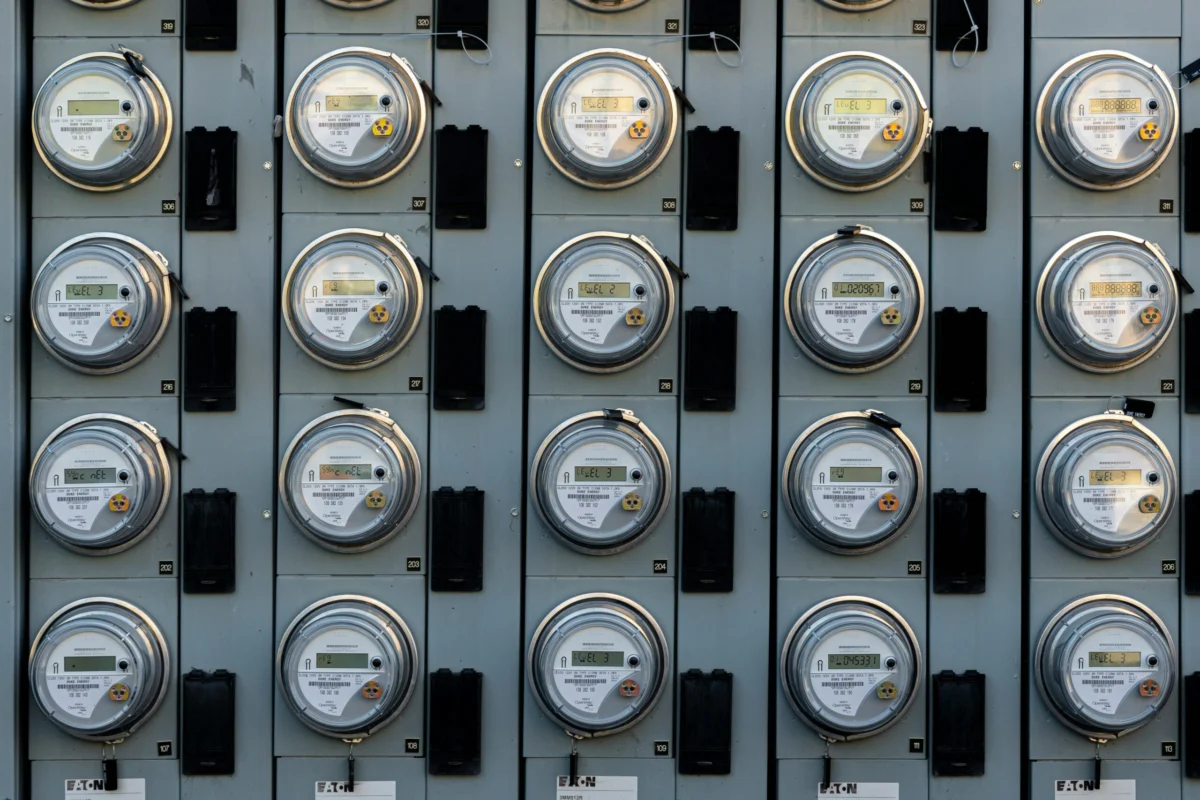
The utility sector is currently navigating a significant technological inflection point as the first generation of Advanced Metering Infrastructure (AMI) reaches its natural end-of-life. For nearly two decades, AMI has been synonymous with "smart meters," a technology primarily deployed to automate the meter-to-cash process and eliminate the need for manual meter reading. However, as utilities face increasing pressure to modernize the grid, the industry is struggling to define what comes next. Terms like "AMI 2.0" have become commonplace, yet they often lack a standardized definition, meaning different things to different stakeholders depending on their specific infrastructure and long-term operational goals.
Matt Wakefield, the Director of Information, Communication, and Cyber Security at the Electric Power Research Institute (EPRI), argues that the industry must move away from hardware-centric definitions. Speaking on the Factor This podcast, Wakefield suggested that the focus should shift from version numbers to "core capabilities." This shift is encapsulated in the "NextWave AMI" framework, a strategic approach designed to position AMI not just as a billing tool, but as a cross-cutting platform for grid visibility, resilience, and the integration of Distributed Energy Resources (DERs).
The Evolution of Advanced Metering Infrastructure
To understand the current state of the industry, it is necessary to examine the chronology of metering technology. The transition to AMI began in earnest in the mid-2000s, accelerated significantly by the American Recovery and Reinvestment Act (ARRA) of 2009. This federal initiative provided billions of dollars in grants for grid modernization, leading to the first massive wave of smart meter installations across the United States.
By the early 2010s, AMI 1.0 had successfully demonstrated its primary value proposition: operational efficiency. Utilities could now remotely connect or disconnect service, identify outages without waiting for customer phone calls, and provide more accurate billing based on interval data. However, these systems were largely "siloed." The data collected was often limited in frequency—typically 15-minute or hourly intervals—and was primarily used by billing departments rather than distribution engineers or grid operators.
As of 2024, the landscape has changed. The rise of electric vehicles (EVs), residential solar arrays, and battery storage systems has introduced a level of complexity that the original AMI systems were not designed to handle. This has necessitated a move toward a more dynamic, data-rich environment where meters act as intelligent sensors at the edge of the grid.
Defining AMI 2.0: Moving Beyond Hardware Versions
The lack of consensus surrounding "AMI 2.0" stems from the diverse needs of utilities. For a utility that has not yet completed its first-wave rollout, AMI 2.0 might simply represent the latest hardware available. For a utility with a mature system, it represents a transition to high-speed communication networks and edge computing.
Wakefield and EPRI contend that viewing AMI 2.0 as a fixed technology stack is limiting. Instead, the NextWave AMI framework emphasizes the outcomes a utility wishes to achieve. By focusing on capabilities—such as real-time voltage monitoring, load disaggregation, and sub-second sensing—utilities can build a system that is flexible enough to adapt to future regulatory and environmental shifts. This approach prevents utilities from becoming "locked in" to a specific hardware generation that may become obsolete before its 15-to-20-year depreciation cycle is complete.
The NextWave AMI Framework and Strategic Alignment
The NextWave AMI framework is designed to align a utility’s people, processes, and technology. It recognizes that hardware is only one component of a successful transition. According to Wakefield, the true value of next-generation infrastructure lies in "stacked benefits." This concept refers to the ability of a single technology investment to solve multiple problems simultaneously.
For example, a high-capability meter can provide the data necessary for:
- Accurate Billing: The traditional core function.
- Grid Resilience: Identifying the exact location of a fault to speed up restoration.
- Asset Management: Monitoring transformer health by analyzing the loading patterns of the meters connected to it.
- Consumer Engagement: Providing real-time data to customers to help them manage their energy use and lower their bills.
By aligning these high-value use cases, utilities can justify the significant capital expenditure required for a system-wide upgrade. This is particularly critical in an era where affordability is a top concern for both regulators and consumers.
Supporting Data: The Scale of the Modernization Effort
The scale of the upcoming AMI refresh is substantial. According to data from the U.S. Energy Information Administration (EIA), as of the end of 2022, U.S. electric utilities had installed approximately 119 million advanced meters, covering about 73% of all customer accounts. Many of these meters, installed during the initial 2009-2012 push, are now approaching their 15-year limit.
Industry analysts estimate that the global market for smart meters will exceed $15 billion annually by 2028. However, the investment is not just in the meters themselves. Wood Mackenzie reports that utility investment in grid edge computing and advanced sensors is expected to grow at a compound annual growth rate (CAGR) of over 10% through the end of the decade. This data underscores the shift from "simple" meters to "intelligent" edge devices.
Technical Capabilities: From Metering to Edge Intelligence
One of the most significant technical advancements in the NextWave AMI era is the introduction of edge computing. In traditional AMI systems, data is collected at the meter and sent back to a central server for processing. This creates a lag that makes real-time grid management difficult.
Next-generation meters are equipped with powerful processors capable of running applications locally. This "edge intelligence" allows the meter to analyze waveforms and detect anomalies—such as a failing capacitor or a vegetation-related fault—instantly. Instead of sending raw data back to the utility, the meter sends an actionable alert.
Furthermore, these devices can perform load disaggregation, which uses artificial intelligence to identify the "signature" of specific appliances (like an air conditioner or an EV charger) based on their energy consumption patterns. This allows utilities to offer more sophisticated demand-response programs and helps consumers understand exactly where their energy dollars are going.
The Role of Distributed Energy Resources (DERs)
The integration of DERs is perhaps the most significant driver for the adoption of the NextWave AMI framework. As more homeowners install solar panels and batteries, the grid is transforming from a one-way street to a multi-directional network.
Traditional meters were not designed to manage the "backflow" of energy or the rapid fluctuations in voltage caused by cloud cover over solar arrays. Next-generation AMI provides the high-frequency visibility required to maintain grid stability under these conditions. By monitoring voltage levels at the edge, utilities can optimize their distribution systems, reducing energy waste and preventing damage to consumer electronics.
Official Responses and Stakeholder Perspectives
The shift toward a capability-based AMI model has drawn reactions from various sectors of the industry. Regulatory bodies, such as State Public Utility Commissions (PUCs), are increasingly scrutinizing AMI proposals to ensure they provide tangible benefits to ratepayers. In several states, regulators have initially rejected AMI 2.0 proposals, citing a lack of clear cost-benefit analysis or a failure to utilize the data from existing systems.
In response, utility executives are leaning on frameworks like EPRI’s to build more robust business cases. "We are seeing a move away from ‘install and forget’ to a model of ‘continuous value realization,’" noted one industry consultant familiar with the EPRI framework. "Regulators want to see that these meters are going to do more than just read numbers; they want to see how they will help meet carbon goals and improve reliability."
Technology vendors, including industry leaders like Itron, Landis+Gyr, and Sensus, are also pivoting. Their product roadmaps now focus heavily on interoperability and software-as-a-service (SaaS) models, allowing utilities to add new capabilities to their meters via over-the-air software updates, much like a smartphone.
Fact-Based Analysis of Implications
The implications of the NextWave AMI shift are profound. If utilities successfully transition to a capability-based platform, the grid will become significantly more "self-healing." The ability to detect and isolate faults at the edge could reduce the duration of power outages by 20-30%, according to some industry estimates.
From an economic perspective, the move toward stacked benefits is essential for maintaining affordability. As the cost of maintaining aging infrastructure rises, utilities must find ways to extract more value from every dollar spent. A multi-functional AMI platform reduces the need for separate, specialized sensors and communication networks, leading to lower overall capital and operational costs over the long term.
However, the transition is not without risks. The increased reliance on high-speed data and edge computing introduces new cybersecurity vulnerabilities. Protecting millions of intelligent edge devices from sophisticated cyberattacks will require a level of coordination and investment in security protocols that the industry is only beginning to implement.
The Future of Grid Resilience and Consumer Value
As Matt Wakefield emphasized in his discussion, the goal of NextWave AMI is to prepare the utility for a future that is still being defined. By focusing on core capabilities—visibility, integration, and intelligence—utilities can build a foundation that supports the energy transition regardless of which specific technologies or policies dominate the coming decades.
The resources provided by organizations like EPRI are intended to serve as a roadmap for this journey. For utilities, the path forward involves a departure from the traditional procurement mindset. It requires a holistic view of the grid as an integrated ecosystem where the meter is no longer just a cash register, but the most critical sensor in a modern, resilient, and decarbonized energy system.
The transition to NextWave AMI represents more than a hardware upgrade; it is a fundamental reimagining of the relationship between the utility, the customer, and the grid. As the industry moves forward, the success of these deployments will be measured not by the number of meters installed, but by the capabilities they enable and the value they provide to a rapidly changing society.
