

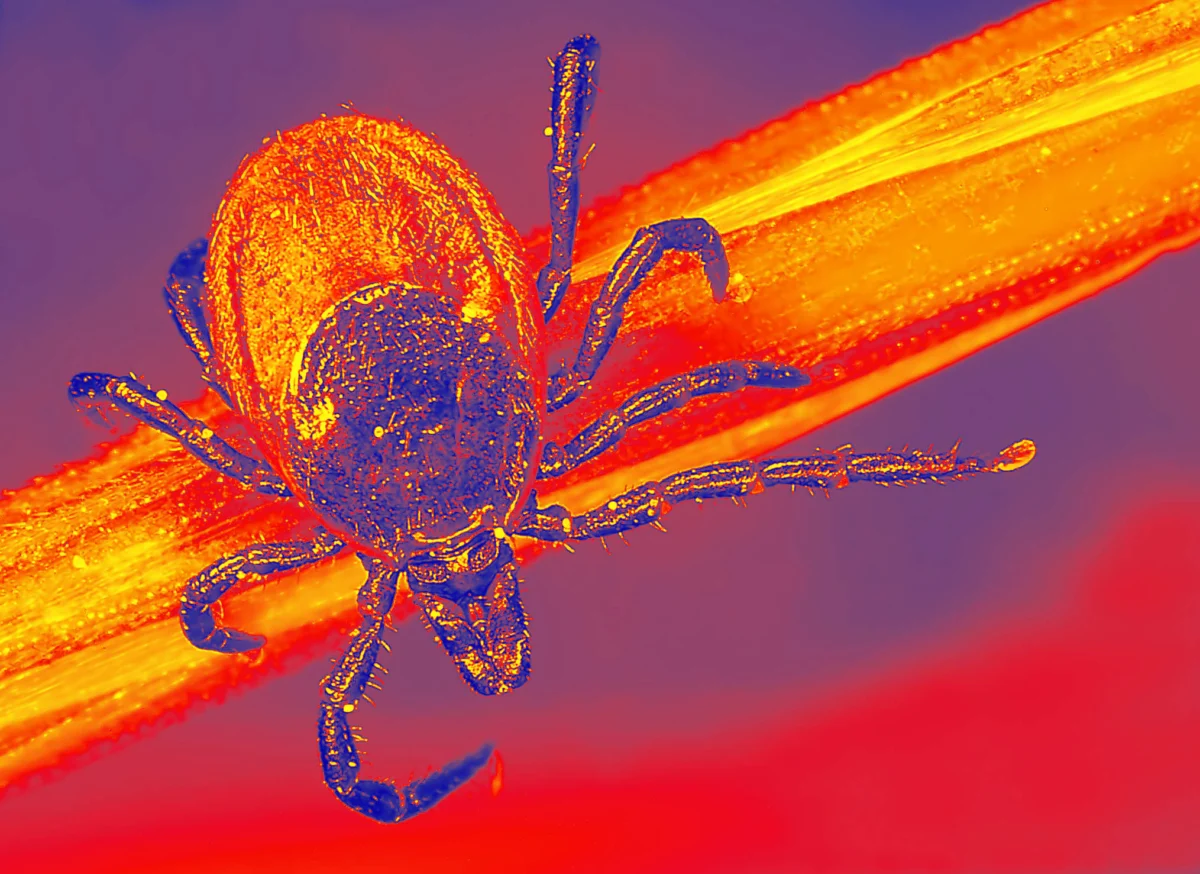
Pfizer, a global pharmaceutical giant, announced on Monday its intention to pursue regulatory approval for its Lyme disease vaccine candidate, VLA1557, a decision that comes despite the shot technically failing to meet the primary statistical endpoint in its pivotal late-stage clinical trial. This move marks a critical juncture in the long-stalled quest for an effective human vaccine against Lyme disease, a debilitating illness transmitted by ticks that affects hundreds of thousands of Americans annually. The company’s confidence is rooted in the observed efficacy, which demonstrated a more than 70% reduction in the rate of infection in vaccinated individuals compared to those who received a placebo.
The VALOR Study: A Closer Look at the ‘Missed’ Endpoint
The Phase 3 clinical trial, known as VALOR (Vaccine Against Lyme for Outdoor Recreation), aimed to assess the efficacy, safety, and immunogenicity of VLA1557. The study’s primary objective was to determine if the vaccine could prevent seroconfirmed Lyme disease. However, Pfizer indicated that the trial’s statistical goal was not met because an insufficient number of participants in the study’s control group contracted Lyme disease. This low event rate, while positive for public health, meant that the trial lacked the statistical power to achieve the pre-defined level of confidence in the vaccine’s efficacy, despite the significant difference observed between the vaccinated and placebo groups.
"The efficacy shown in the VALOR study of more than 70% is highly encouraging and creates confidence in the vaccine’s potential to protect against this disease that can be debilitating," stated Annaliesa Anderson, Pfizer’s Chief Vaccines Officer, in a public announcement. This statement underscores the company’s belief that the clinical benefit observed is substantial enough to warrant regulatory review, even if the statistical threshold for the primary endpoint wasn’t reached due to epidemiological factors. The nuance here is crucial: a "statistical miss" does not necessarily equate to a lack of clinical effect, particularly in trials for diseases with variable incidence rates or where protective measures by participants might unintentionally lower infection rates in the control arm.
Lyme Disease: A Persistent Public Health Challenge
Lyme disease, caused by the bacterium Borrelia burgdorferi and transmitted primarily through the bite of infected blacklegged ticks (Ixodes scapularis in the eastern U.S., Ixodes pacificus in the west), represents the most common vector-borne illness in the Northern Hemisphere. The Centers for Disease Control and Prevention (CDC) estimates that approximately half a million Americans are diagnosed and treated for Lyme disease each year, though this figure is likely an underestimate due to underreporting and diagnostic challenges.
The disease typically manifests with an expanding red rash known as erythema migrans (EM), often accompanied by fever, headache, and fatigue. If left untreated, the infection can spread to joints, the heart, and the nervous system, leading to severe and chronic conditions such as Lyme arthritis, carditis, and neurological Lyme disease, including facial palsy and nerve pain. A subset of patients may also develop Post-Treatment Lyme Disease Syndrome (PTLDS), characterized by persistent fatigue, pain, or cognitive difficulties even after antibiotic treatment, highlighting the need for preventative strategies.
Geographically, Lyme disease is highly concentrated, with the vast majority of cases reported from the Northeast, Mid-Atlantic, and upper Midwest regions of the United States. Climate change and ecological shifts are believed to be expanding the geographic range of ticks, potentially increasing the areas at risk and underscoring the urgency for effective prevention tools. Beyond the U.S., Lyme disease is prevalent across Europe and parts of Asia, where different Borrelia species contribute to the disease burden.
A Tumultuous History of Lyme Vaccine Development
The development of a human vaccine for Lyme disease has been a challenging and often controversial journey. The initial breakthrough came in 1998 with the approval of LYMErix, a vaccine developed by SmithKline Beecham (which later merged to form GlaxoSmithKline, GSK). LYMErix also targeted the outer surface protein A (OspA) of Borrelia burgdorferi, similar to Pfizer’s current candidate. It was shown to be effective, demonstrating around 78% efficacy after three doses.
However, despite its efficacy, LYMErix faced significant public backlash and waning demand. Concerns, largely fueled by anecdotal reports and subsequent class-action lawsuits (though most were ultimately dismissed or found unsubstantiated by scientific evidence), alleged that the vaccine could cause chronic arthritis and other autoimmune conditions. While rigorous scientific reviews by regulatory bodies like the FDA and CDC found no causal link between the vaccine and serious autoimmune conditions, public perception and media scrutiny severely hampered its commercial viability. GSK voluntarily withdrew LYMErix from the U.S. market in 2002, a decision that effectively halted human Lyme vaccine development for nearly two decades. This experience created a chilling effect on pharmaceutical investment in this area, despite the continued development and successful use of OspA-based vaccines for dogs.
Pfizer and Valneva’s Collaborative Endeavor: A Timeline
The current vaccine candidate, VLA1557, is the result of a collaborative development agreement between Pfizer and Valneva, a French biotechnology company specializing in vaccines.
- 2017: Valneva initiated Phase 1 clinical trials for VLA1557.
- 2020: Pfizer joined the partnership, acquiring an equity stake in Valneva and committing to further fund and lead the late-stage development and commercialization of the vaccine. This partnership breathed new life into human Lyme vaccine research.
- August 2022: The VALOR Phase 3 clinical trial was initiated, enrolling approximately 18,000 participants aged 5 years and older across endemic regions in the U.S. and Europe. The vaccine’s mechanism of action involves eliciting antibodies against six serotypes of OspA, which are then transferred to the feeding tick. These antibodies neutralize the Borrelia bacteria within the tick’s gut, preventing transmission to the human host. The proposed vaccination regimen involves three primary doses followed by a booster shot one year later.
- February 2023: The trial faced a significant setback when Pfizer and Valneva announced the discontinuation of approximately half of the enrolled participants due to "violations of good clinical practice" by a third-party clinical trial site operator, Care Access. This necessitated the re-evaluation of the trial design and a reduction in the study size to about 9,400 participants, raising concerns about its ability to reach statistical significance. Despite these challenges, the companies reaffirmed their commitment to the trial’s completion and the vaccine’s development.
- Late 2023/Early 2024: The companies concluded the main efficacy assessment phase of the VALOR study, leading to the recent announcement of the efficacy data and the decision to seek regulatory approval.
The Rationale for Seeking Approval and Regulatory Implications
Pfizer’s decision to press ahead with regulatory submissions, despite the statistical miss, highlights a complex interplay between scientific data, public health need, and regulatory flexibility. The observed efficacy of over 70% is indeed robust for a vaccine targeting a vector-borne disease. For comparison, influenza vaccines typically range from 40% to 60% efficacy in preventing infection, depending on the season and circulating strains. Given the high burden of Lyme disease and the complete absence of any currently available human vaccine, regulatory bodies like the U.S. Food and Drug Administration (FDA) and the European Medicines Agency (EMA) often consider the "clinical meaningfulness" of a therapeutic intervention, even if a strict statistical endpoint is not met.
This situation could serve as a crucial "litmus test" for vaccine policy, particularly under an administration that has emphasized stringent scrutiny for vaccine approvals. Regulators will need to carefully weigh the observed efficacy, the safety profile (Pfizer reported no new safety concerns in the trial), the unmet medical need, and the specific circumstances of the statistical miss. They will likely evaluate whether the data provides "substantial evidence of effectiveness" and whether the benefits outweigh any potential risks, particularly given the historical context of LYMErix. The FDA has mechanisms for approving drugs and vaccines based on surrogate endpoints or other forms of evidence when traditional statistical superiority is challenging to demonstrate, especially for rare diseases or those with highly variable incidence.
Market Potential and Broader Impact
While a Lyme disease vaccine is not anticipated to become a blockbuster product on the scale of Pfizer’s COVID-19 vaccine, Comirnaty (which alone is projected to contribute over $5 billion to Pfizer’s approximately $60 billion in overall revenue this year), it represents a significant market opportunity. Valneva has estimated peak annual sales for VLA1557 could reach $1 billion. This revenue potential, combined with the "first-in-class" status of the vaccine, makes it an attractive proposition for Pfizer, signaling a commitment to expanding its vaccine portfolio beyond its current strongholds.
The introduction of a Lyme disease vaccine could have profound public health implications. It would offer a new, proactive layer of protection, particularly for individuals living in or frequently visiting endemic areas, outdoor workers, and recreational enthusiasts. This could lead to a significant reduction in Lyme disease incidence, thereby alleviating the substantial burden on healthcare systems, reducing the need for antibiotic treatments, and preventing the debilitating long-term complications associated with the disease. The economic impact of Lyme disease, including direct medical costs, lost productivity, and the personal toll on patients’ quality of life, is considerable, making effective prevention a valuable public health investment.
Furthermore, a successful approval could reignite interest and investment in vaccine development for other neglected vector-borne diseases. The scientific and regulatory challenges associated with developing vaccines for complex diseases like Lyme, Dengue, or Zika often deter pharmaceutical companies. A positive outcome for VLA1557 could demonstrate a viable path forward, encouraging more research into these critical areas of unmet medical need.
Stakeholder Reactions and the Path Ahead
The news from Pfizer is likely to elicit a range of reactions from various stakeholders. Public health officials and organizations like the CDC would undoubtedly welcome any new tool to combat Lyme disease, while emphasizing the continued importance of other preventative measures such as tick checks, repellents, and protective clothing. Patient advocacy groups, representing the millions affected by Lyme disease, would express cautious optimism, highlighting the desperate need for a vaccine while also underscoring the necessity for rigorous safety monitoring given the history of LYMErix.
The regulatory process will be meticulous and transparent. The FDA and EMA will conduct thorough reviews of all available data, including the full efficacy and safety datasets, manufacturing processes, and the rationale behind Pfizer’s statistical interpretation. Public advisory committee meetings, involving independent experts, are also highly probable, providing a forum for open discussion and scrutiny of the vaccine’s profile.
In conclusion, Pfizer’s decision to seek regulatory approval for its Lyme disease vaccine candidate, VLA1557, despite a statistical miss in its Phase 3 trial, marks a pivotal moment in public health. Driven by strong observed efficacy and the urgent unmet need for a preventative solution against this widespread and debilitating tick-borne illness, the move signals a bold strategy. The path forward will involve intense regulatory scrutiny, balancing statistical rigor with clinical meaningfulness, and careful communication to rebuild public trust in Lyme vaccines. Should VLA1557 gain approval, it promises to be a transformative advancement, offering a new layer of defense against a disease that has long plagued communities globally and potentially paving the way for renewed innovation in vector-borne disease prevention.
