

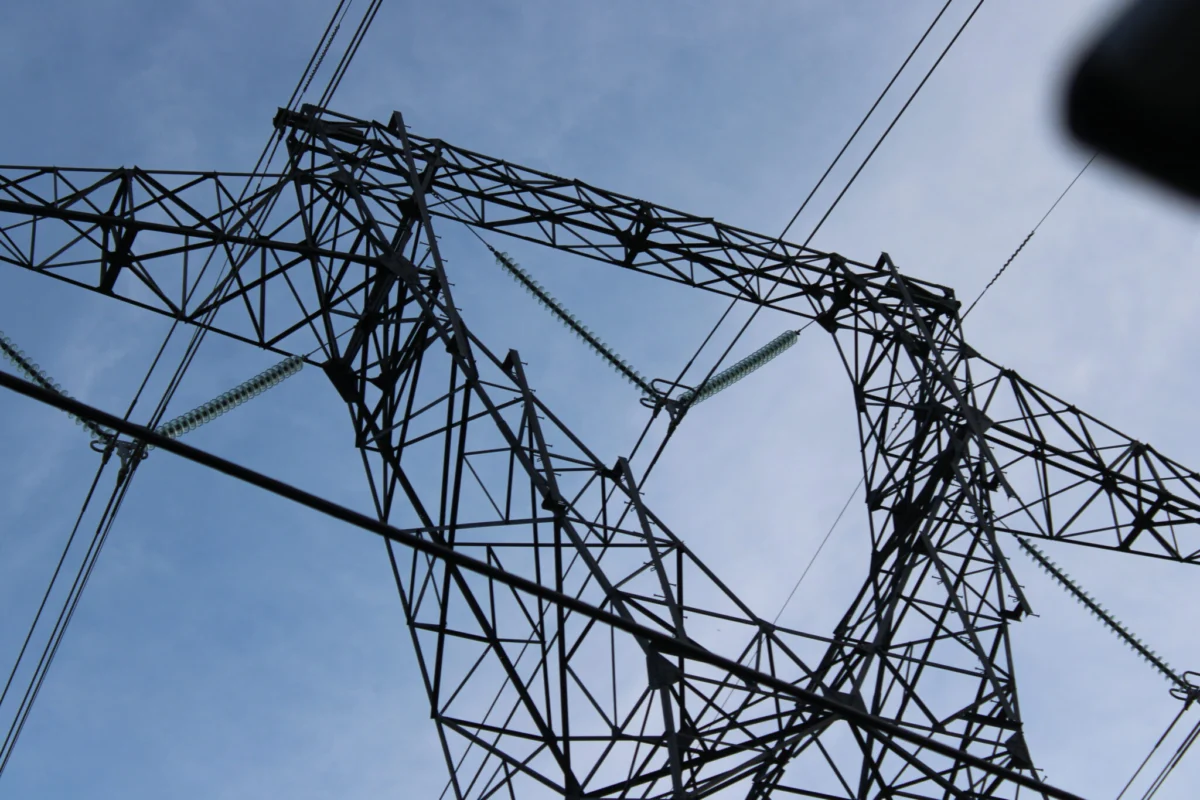
The regional power grid operator PJM Interconnection has officially authorized a massive infrastructure initiative known as the Valley Link project, a 115-mile high-voltage transmission line designed to stabilize and reinforce Virginia’s energy grid. This $1 billion undertaking, spearheaded by a partnership between Dominion Energy, Transource, and FirstEnergy, represents one of the most significant expansions of electrical infrastructure in the Commonwealth in decades. Stretching from Lynchburg to Culpeper County, the proposed 765-kilovolt (kV) line is engineered to carry up to 6,600 megawatts of power, a capacity intended to address the explosive growth of energy consumption driven primarily by the data center industry in Northern Virginia and the broader digital economy.
The approval from PJM, which oversees the movement of wholesale electricity across 13 states and the District of Columbia, marks a critical milestone in a project that has already begun to spark intense debate among local governments, environmental advocates, and utility providers. While the project is framed by its proponents as a vital necessity for maintaining grid reliability and preventing future blackouts, it faces mounting scrutiny from rural communities that fear the industrialization of their landscapes and the potential impact on property values and agricultural heritage.
The Technical Scope and Strategic Necessity of Valley Link
The Valley Link project is centered on the construction of a 765 kV transmission line, the highest voltage class utilized in the United States. This level of voltage is specifically chosen for its efficiency in transporting vast quantities of electricity over long distances with minimal energy loss. The line is slated to extend from existing infrastructure within the Appalachian Power territory near Lynchburg, traversing nine counties—Campbell, Appomattox, Buckingham, Fluvanna, Louisa, Orange, Goochland, Spotsylvania, and Culpeper—before terminating at a newly proposed substation in the southwestern corner of Culpeper County.
At this terminal point, the high-voltage electricity will be "stepped down" via transformers to lower voltages, allowing it to be integrated into the local and regional distribution networks. According to Valley Link Transmission officials, the project is a direct response to PJM’s regional transmission expansion planning process, which identified a critical "unmet load demand" in the eastern portion of the grid. As the demand for electricity in Northern Virginia continues to skyrocket, the existing grid infrastructure is reaching its physical limits.
The sheer scale of the 6,600-megawatt capacity is illustrative of the energy crisis facing the region. To put this in perspective, 6,600 megawatts is enough to power roughly 1.6 million homes at peak demand. However, the primary target for this power is not residential growth, but the concentrated energy needs of hyperscale data centers.
The Data Center Catalyst: Why Virginia Needs More Power
The driving force behind the Valley Link project is the unprecedented expansion of the data center industry. Northern Virginia, specifically Loudoun and Fairfax counties, is home to the largest concentration of data centers in the world, often referred to as "Data Center Alley." Approximately 35% of the world’s hyperscale data center capacity is located in this region, serving as the backbone for global cloud computing, artificial intelligence (AI) processing, and digital commerce.
Dominion Energy, the primary utility provider in the state, has reported that its forecast for power demand has undergone a radical shift. In recent filings with the State Corporation Commission (SCC), Dominion indicated that it expects electricity demand to double over the next 15 years. This surge is attributed to the transition toward electric vehicles, the electrification of heating systems, and, most significantly, the energy-intensive nature of AI-driven data centers. A single modern data center campus can require as much power as a mid-sized city, and the current pipeline of planned facilities in Virginia is staggering.
The Valley Link project is intended to act as a high-capacity "energy highway," moving power from generation sources in the Ohio Valley and western Virginia to the high-demand hubs in the east. Without this reinforcement, PJM and Dominion officials warn that the risk of grid instability and rolling brownouts could increase as early as the late 2020s.
Local Resistance and the Rural-Urban Divide
Despite the technical justifications provided by PJM and the utility partners, the project has met with fierce resistance from the counties slated to host the transmission towers. The proposed route passes through some of Virginia’s most historic and ecologically sensitive rural areas. In Louisa County, the Board of Supervisors recently took a formal stand by passing a resolution opposing the project’s current trajectory.

Louisa County Board Chairman Duane Adams has emerged as a vocal critic of the project, highlighting a growing sentiment of "geographical inequity." Adams pointed out that while Northern Virginia reaps the economic benefits of data center tax revenues and job creation, rural counties in central and southside Virginia are expected to host the intrusive infrastructure required to power them. The proposed 160-foot metal towers, which would dwarf the surrounding forest canopy, are seen by local officials as a threat to the "rural character, agricultural heritage, and forestlands" that define the region.
"I don’t see any benefit to Louisa County to have these 765 kV lines coming through," Adams stated, noting that the county was not consulted during the initial routing phase. To address these concerns collectively, Adams has invited leaders from all nine affected counties to a summit in April. The goal of this meeting is to unify the messaging of local governments and demand more transparency and mitigation efforts from Valley Link and state regulators.
Regulatory Timeline and Public Engagement
The Valley Link project is currently in the early stages of planning and permitting, with a projected completion date of 2029. The timeline for the coming months is critical for both the utilities and the affected residents:
- June 2024: Valley Link plans to hold a second series of informational meetings to present updated route options based on initial public feedback.
- September 2024: The partnership expects to select a "preferred route" and submit a formal application to the Virginia State Corporation Commission (SCC).
- 2024–2025: The SCC will conduct an exhaustive review process, which includes legal testimony, environmental impact assessments, and further public hearings.
- Late 2025: A final decision on the route and the project’s "Certificate of Public Convenience and Necessity" is expected from the SCC.
The SCC holds the ultimate authority to approve, deny, or modify the project. Regulators must balance the proven need for grid reliability against the localized impacts on property owners and the environment.
Economic Implications and Ratepayer Impact
The estimated $1 billion price tag for the Valley Link project raises significant questions regarding who will bear the cost. Under PJM’s "beneficiary pays" principle, the costs of regional transmission projects are allocated among the utilities whose customers benefit from the upgrade. Because Dominion Energy is the primary utility serving the high-demand areas in Virginia, its customers are expected to shoulder a substantial portion of the investment.
The exact impact on monthly electricity bills remains unclear. The SCC will be tasked with determining how these costs are distributed across various rate classes, including residential, commercial, and industrial users. Critics argue that residential ratepayers should not be forced to subsidize infrastructure that is primarily being built to serve high-profit tech giants. Conversely, proponents argue that a stable grid is a public good that supports the overall economic health of the Commonwealth.
Analysis of Broader Implications
The Valley Link project is more than just a local infrastructure debate; it is a case study in the challenges of the modern energy transition. As Virginia moves toward the goals set by the Virginia Clean Economy Act (VCEA)—which mandates a transition to 100% carbon-free energy by 2045—the physical grid must be redesigned. Renewable energy sources like offshore wind and solar are often located far from the urban centers where the power is consumed, necessitating more robust transmission lines.
Furthermore, the project highlights the tension between local land-use control and regional energy needs. While counties like Louisa value their agricultural identity, the state and regional grid operators view the land as a necessary corridor for essential services. The outcome of the Valley Link dispute will likely set a precedent for how future high-voltage projects are handled in the Mid-Atlantic region.
As the April summit of county leaders approaches and the SCC prepares for a high-stakes review, the Valley Link project remains a focal point for Virginia’s evolving energy landscape. The challenge for policymakers will be to find a path forward that secures the digital economy’s future without permanently scarring the rural communities that sit in its path.
