

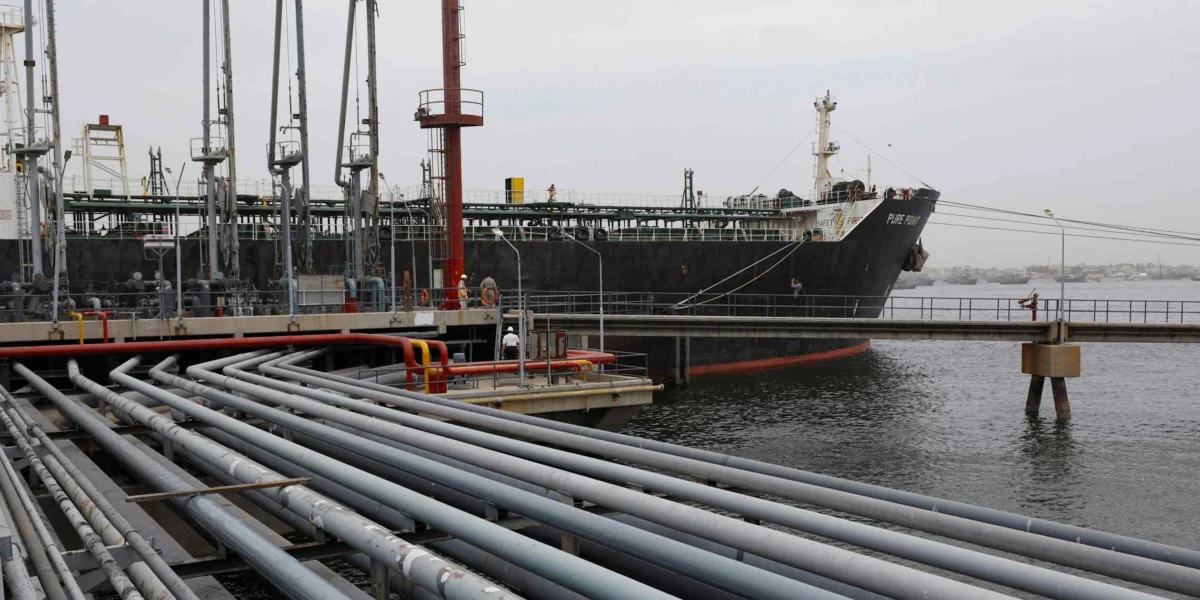
The geopolitical turbulence unfolding in the Persian Gulf has placed Pakistan, a nation heavily reliant on imported crude oil, in an increasingly precarious energy security situation. Government officials, speaking to Nikkei Asia on condition of anonymity, indicated that despite the heightened risks, the flow of oil tankers bound for Pakistani ports is expected to continue. This assertion, however, comes against a backdrop of escalating tensions and a significant disruption to global energy transit routes, raising critical questions about the sustainability of these imports and the broader economic ramifications for Pakistan.
The immediate catalyst for this heightened concern is the series of attacks attributed to the United States and Israel targeting Iran, and Iran’s subsequent retaliatory actions, which have included the closure and increased militarization of the Strait of Hormuz. This vital maritime chokepoint, through which approximately 20% of the world’s total oil consumption passes, has become a flashpoint in the ongoing regional conflict. For Pakistan, which imports a substantial portion of its energy needs, any disruption to this transit route poses an immediate and severe threat to its economic stability and energy security.
Background: A Deepening Energy Crisis and Shifting Alliances
Pakistan’s energy sector has been grappling with a complex web of challenges for years, including insufficient domestic production, aging infrastructure, and a persistent balance of payments deficit that complicates the financing of essential imports. The country’s dependence on imported crude oil, primarily from the Middle East, makes it acutely vulnerable to fluctuations in global energy prices and geopolitical instability in the region.
The current crisis appears to have been exacerbated by a confluence of factors. The U.S.-led operations, ostensibly aimed at countering Iranian influence and alleged aggressive actions, have directly impacted Iran’s ability to export oil and have also led to increased scrutiny and risk for vessels traversing the Persian Gulf. Iran’s response, including the closure of the Strait of Hormuz to certain maritime traffic and increased military posturing, has sent shockwaves through global energy markets. This has led to a surge in oil prices and, more critically for countries like Pakistan, a heightened risk premium for shipping and insurance, making already expensive energy imports even more burdensome.
The situation has also prompted a re-evaluation of Pakistan’s energy sourcing strategies. Historically, Pakistan has maintained a delicate balance in its foreign policy, seeking to foster relationships with both Western and Eastern powers. However, the current geopolitical climate appears to be pushing Pakistan towards closer ties with energy-producing nations that offer more stable and potentially discounted supplies. This has been evident in Pakistan’s increasing engagement with Russia, particularly in the context of oil imports.
Timeline of Escalating Tensions and Oil Flows
The current crisis has a discernible timeline, with key events contributing to the present predicament:
- Late 2023 – Early 2024: Increased reports of U.S. and Israeli military activities in and around the Persian Gulf, alongside retaliatory actions by Iran and its proxies, begin to signal a growing risk to maritime transit.
- February 2024: Reports emerge of Pakistan actively seeking to secure oil supplies from Russia, often at discounted rates, as a means of mitigating the impact of rising global prices and supply uncertainties. This marked a significant shift in Pakistan’s energy procurement strategy.
- March 2024: The situation escalates dramatically with significant U.S.-Israeli strikes on Iranian targets and Iran’s subsequent declarations regarding the Strait of Hormuz. This triggers a sharp increase in insurance premiums for vessels transiting the waterway and raises concerns about the safety of oil tankers.
- Late March 2024: Pakistani officials confirm that oil tankers are continuing to make their way to Pakistan, suggesting a determined effort to maintain supply lines despite the risks. The statement to Nikkei Asia, emphasizing the likelihood of more tankers crossing the Strait of Hormuz in the "coming days," underscores this resolve.
This chronology highlights a rapid deterioration of the security environment in a critical energy transit zone, forcing Pakistan and other energy-importing nations to navigate treacherous geopolitical waters to secure their energy needs.
Supporting Data: Pakistan’s Energy Dependence
Pakistan’s reliance on imported oil is a critical factor in understanding the implications of the current crisis. Official data consistently shows a substantial gap between domestic oil production and consumption.
- Import Dependency: Pakistan typically imports over 80% of its crude oil requirements. In the fiscal year 2022-23, the country imported crude oil and petroleum products worth approximately $16 billion, highlighting the sheer scale of its import bill.
- Energy Mix: While Pakistan is diversifying its energy sources, oil remains a significant component of its energy mix, particularly for transportation and industrial sectors.
- Price Sensitivity: Fluctuations in international oil prices have a direct and immediate impact on Pakistan’s economy. A sustained rise in oil prices can exacerbate inflation, widen the current account deficit, and put immense pressure on foreign exchange reserves. For instance, a $10 per barrel increase in crude oil prices can cost Pakistan an additional $1 billion annually in import bills.
- Recent Russian Oil Imports: While precise, up-to-date figures are often proprietary or not publicly released in real-time, reports from late 2023 and early 2024 indicated Pakistan had significantly increased its imports of Russian crude oil. This was a strategic move to secure supplies at potentially more favorable prices amidst global market volatility. These imports, however, still need to traverse common maritime routes, including the Strait of Hormuz, thereby not entirely insulating Pakistan from the current geopolitical risks.
Official Responses and Declarations
The Pakistani government has been navigating this complex situation with a degree of cautious optimism, while also acknowledging the inherent risks. The statement from government officials to Nikkei Asia, suggesting the continued flow of oil tankers, reflects a commitment to ensuring energy security.
While specific official statements regarding the U.S.-Israeli attacks or Iran’s actions are often measured to avoid further escalation, the underlying message from Islamabad has been one of prioritizing national interests and securing vital energy supplies. This includes diplomatic engagement with key energy-producing nations and a pragmatic approach to sourcing oil from countries willing to offer competitive terms, even if it means engaging with nations facing their own geopolitical challenges.
The emphasis on continued tanker traffic suggests that Pakistan, along with its shipping and oil procurement entities, is likely employing enhanced security measures, diversifying shipping routes where possible, and possibly securing higher insurance coverage to mitigate the risks associated with transiting the Strait of Hormuz. However, the long-term sustainability of such a strategy in a volatile environment remains a significant concern.
Broader Impact and Implications for Pakistan
The ongoing crisis in the Persian Gulf carries profound implications for Pakistan’s economy and its people:
- Economic Strain: Higher oil import costs directly translate into increased fuel prices for consumers and businesses. This fuels inflation across the board, affecting everything from transportation costs to the prices of essential goods. For a country already struggling with a high inflation rate, this could lead to significant social and economic hardship.
- Balance of Payments Crisis: A surge in oil import bills exacerbates Pakistan’s balance of payments deficit, depleting precious foreign exchange reserves. This can make it harder for the government to service its external debt and finance other essential imports, potentially leading to further economic instability.
- Energy Security Concerns: Even if oil tankers continue to arrive, the increased risk and potential for delays can create uncertainty in the energy supply chain. This can lead to fuel shortages, power outages, and disruptions to industrial production, impacting overall economic activity.
- Geopolitical Realignment: The crisis might accelerate Pakistan’s strategic partnerships with countries like Russia, potentially leading to longer-term energy import agreements. However, this also carries its own set of geopolitical considerations, including potential repercussions from Western nations.
- Regional Instability: The escalation of tensions in the Persian Gulf has broader implications for regional stability. Any sustained conflict or prolonged disruption of energy supplies could have cascading effects across South Asia and beyond, impacting trade, investment, and diplomatic relations.
The determination to continue oil imports through the Strait of Hormuz, despite the evident risks, signals Pakistan’s urgent need to maintain its energy supply. However, this is a high-stakes gamble. The coming days will be crucial in determining whether these oil tankers can successfully navigate the increasingly perilous waters, and what the long-term consequences will be for Pakistan’s economy and its people if they cannot. The situation underscores the interconnectedness of global energy markets and the vulnerability of import-dependent nations to geopolitical shocks.
