

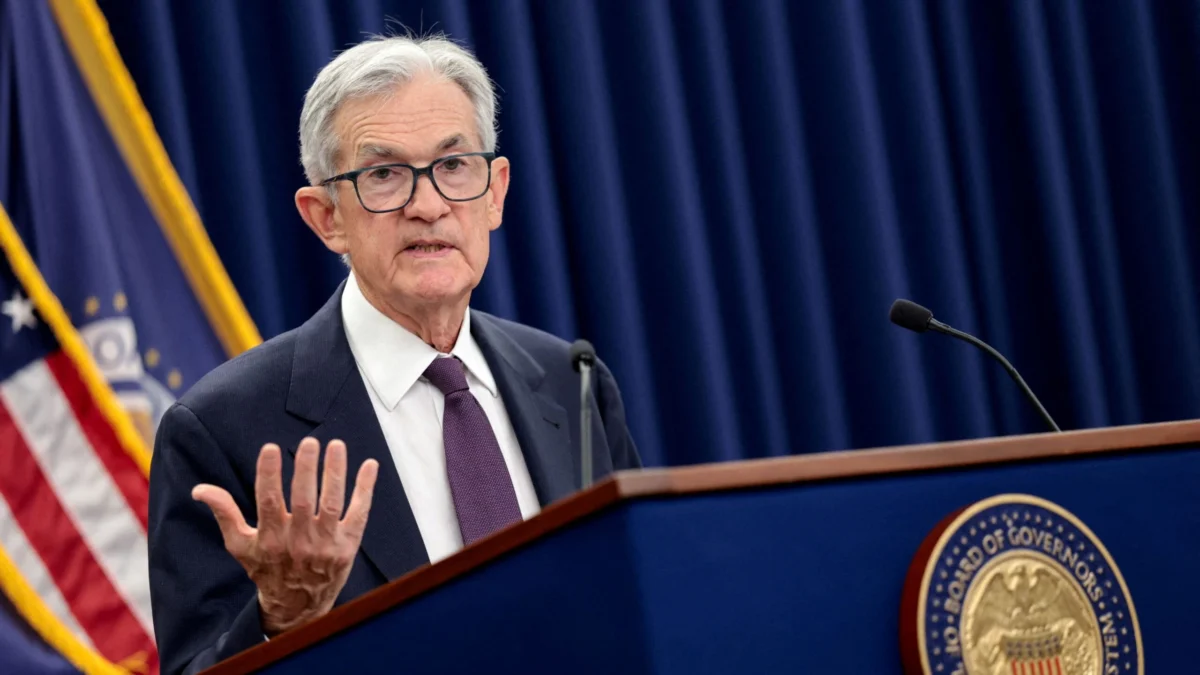
New York – The U.S. Federal Reserve has maintained its benchmark interest rate, keeping it within the established range of 3.50% to 3.75%. This decision, widely anticipated by market participants, marks a continuation of the pause initiated in January, reflecting the central bank’s cautious approach to navigating a complex economic environment. The Fed’s statement accompanying the decision highlighted persistent uncertainty regarding the economic outlook, with particular emphasis on the "unknown implications" of the ongoing conflict in the Middle East.
This deliberate stance underscores the Federal Open Market Committee’s (FOMC) commitment to its dual mandate of price stability and maximum employment. In the wake of the announcement, major U.S. stock indices experienced a noticeable downturn, extending earlier losses by the close of trading. This market reaction suggests that investors are closely scrutinizing the Fed’s forward guidance and its implications for future economic growth and corporate profitability.
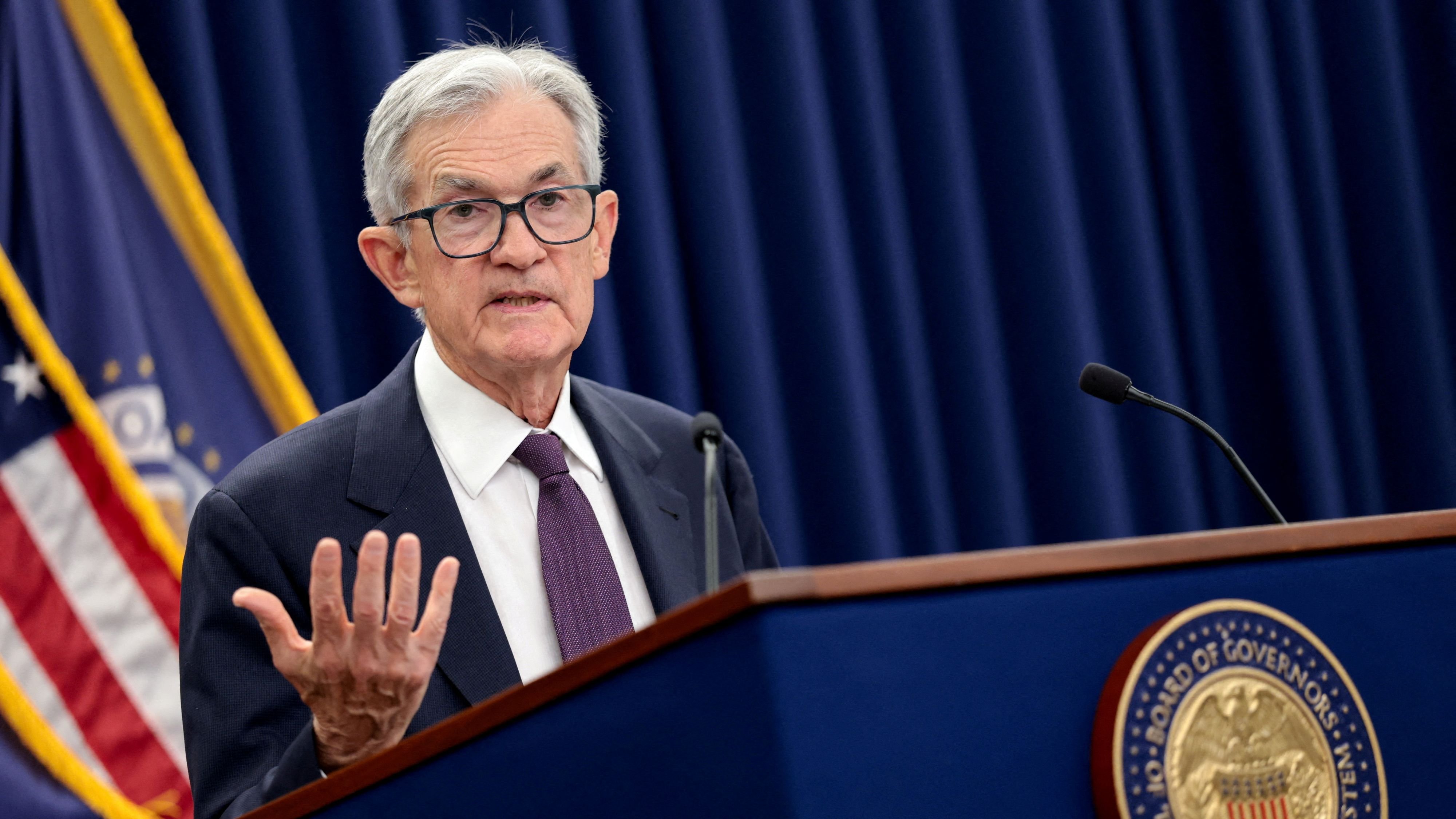
Background and Context: A Tightening Cycle and the Shadow of Conflict
The Federal Reserve has been engaged in a significant monetary policy tightening cycle aimed at curbing elevated inflation. Throughout 2023 and into early 2024, the FOMC implemented a series of interest rate hikes, bringing the federal funds rate from near-zero levels to its current restrictive stance. This aggressive approach was a direct response to inflation rates that had reached multi-decade highs, driven by a confluence of factors including pandemic-related supply chain disruptions, robust consumer demand fueled by fiscal stimulus, and the subsequent surge in energy prices.
However, recent economic data has signaled a potential moderation in inflation, prompting the Fed to consider a pause in its aggressive rate-hiking campaign. The decision to hold rates steady at this juncture is not solely a reflection of domestic economic trends. The escalating geopolitical tensions, particularly the conflict in the Middle East, have introduced a new layer of complexity and uncertainty into the global economic outlook. The potential for supply chain disruptions, fluctuations in energy and commodity prices, and broader impacts on international trade and investment are all factors that the Fed must carefully monitor.
Timeline of Key Events:
- Early 2023: Federal Reserve embarks on a series of aggressive interest rate hikes to combat inflation.
- Late 2023 – Early 2024: Inflationary pressures begin to show signs of moderation, prompting discussions about a potential pause in rate hikes.
- January [Year]: Federal Reserve implements its first interest rate pause, signaling a shift towards a more data-dependent approach.
- [Current Month, Current Year]: Escalation of geopolitical tensions in the Middle East introduces significant uncertainty into the global economic landscape.
- [Current Month, Current Year]: Federal Reserve convenes its FOMC meeting and announces its decision to maintain the federal funds rate at its current level.
The Fed’s Dual Mandate in Focus
The Federal Reserve operates under a mandate from Congress to promote maximum employment and price stability. Price stability is generally understood to mean inflation at a rate of 2% over the longer run. Maximum employment is a broader concept, aiming for a situation where all Americans who want a job can find one.
The current economic environment presents a delicate balancing act for the Fed. While inflation has shown signs of cooling, it remains a primary concern. Simultaneously, the labor market, though resilient, has also exhibited some signs of cooling, with job openings gradually decreasing and wage growth moderating. The Fed’s decision to hold rates steady indicates a belief that the current level of interest rates is sufficiently restrictive to help bring inflation back to its 2% target without unduly harming employment.
Internal Deliberations and Dissent
The FOMC’s decision to hold rates steady was met with broad consensus within the committee. However, the minutes of the meeting revealed a dissenting vote, with Stephen Miran advocating for a quarter-percentage-point reduction in interest rates. This suggests a divergence of opinion among some policymakers regarding the appropriate pace and direction of monetary policy. Miran’s stance, as noted by Art Hogan, Chief Market Strategist at B. Riley Wealth, may indicate a belief that the Fed is already on a "rate-cutting autopilot," implying a potential for future rate reductions if economic conditions continue to evolve favorably.

The FOMC comprises twelve voting members. Historically, such unanimous decisions are common, but the minutes from the December and January meetings indicated a higher-than-usual level of dissent, with three and two dissenting votes respectively. This recent consensus, with only one dissenter, suggests a degree of convergence on the current policy path.
Economic Implications and Market Reactions
The Federal Reserve’s decision to maintain interest rates at their current level has several immediate implications for the economy and financial markets. For consumers, this means that the cost of borrowing for mortgages, auto loans, and credit cards is likely to remain elevated in the short term. Businesses may also face higher borrowing costs, potentially influencing investment decisions and expansion plans.

The market reaction, characterized by a decline in major stock indices, reflects investor apprehension. While the pause in rate hikes was expected, the Fed’s acknowledgment of heightened geopolitical uncertainty and its implications for the economic outlook has likely contributed to a more cautious sentiment. Investors may be recalibrating their expectations for corporate earnings and future economic growth in light of these evolving risks.
Broader Impact and Future Outlook
The ongoing conflict in the Middle East introduces a significant wildcard into the global economic equation. Potential disruptions to oil and gas supplies could lead to renewed inflationary pressures, forcing central banks to reconsider their monetary policy strategies. The Fed, in particular, will be closely monitoring global energy markets and their impact on U.S. inflation.

Furthermore, the Fed’s communication strategy remains crucial. Clear and consistent guidance from Chair Jerome Powell and other Fed officials will be essential in managing market expectations and fostering economic stability. The market will be keenly awaiting any further signals from the Fed regarding the potential for future rate adjustments, the timing of which will undoubtedly be data-dependent and contingent on the evolving geopolitical and economic landscape.
The decision to hold rates steady at this juncture represents a pause rather than a definitive end to the tightening cycle. The Federal Reserve’s commitment to its dual mandate, coupled with the complexities introduced by global events, suggests that monetary policy will remain a central focus for policymakers and market participants alike in the months ahead. The path forward will likely be characterized by careful observation of incoming economic data and a measured response to any significant shifts in either domestic or international conditions. The Fed’s ability to navigate these challenges will be critical in guiding the U.S. economy towards sustainable growth and price stability.
