

Tokyo, Japan – March 16, 2026 – In a significant stride towards bolstering economic security and industrial resilience, Japan and the United States have formalized a groundbreaking framework for bilateral cooperation to address vulnerabilities in the supply chains of critical minerals. This strategic alliance, announced following an Indo-Pacific energy security meeting in Tokyo, aims to guarantee the stable and secure procurement of essential resources, most notably rare earth elements, which are indispensable for a vast array of modern technologies, from electric vehicles and renewable energy infrastructure to advanced defense systems and consumer electronics.
The agreement underscores a shared recognition by both nations of the increasing geopolitical risks associated with the concentrated production of these vital materials, particularly in countries with potentially unstable political landscapes or those that may leverage resource control for strategic advantage. The framework is designed to mitigate these risks through coordinated efforts in exploration, extraction, processing, recycling, and the development of alternative materials.
The Urgency of Critical Minerals Security
The impetus behind this joint initiative is rooted in the growing global demand for critical minerals, driven by the accelerating transition to green energy and the rapid advancement of high-technology sectors. Rare earth elements, a group of 17 chemically similar metals, are particularly crucial due to their unique magnetic, catalytic, and optical properties. Their scarcity and the complex, often environmentally challenging, extraction and processing methods required have led to a highly concentrated global supply chain. For decades, China has dominated the global market, controlling a significant majority of both mining and processing of rare earths. This concentration has raised concerns among nations reliant on these materials for their economic and national security.
Recent years have seen increasing awareness of the fragility of these supply chains. Geopolitical tensions, trade disputes, and unforeseen disruptions, such as pandemics, have highlighted the potential for supply shocks and price volatility. Japan, a nation heavily reliant on imported raw materials for its advanced manufacturing industries, and the United States, a global leader in technological innovation and defense, have identified the need for a proactive and collaborative approach to secure their access to these foundational components.
A Framework for Comprehensive Cooperation
The newly established framework is expected to encompass a multi-faceted strategy, targeting various stages of the critical minerals lifecycle. Key areas of cooperation are anticipated to include:
- Joint Exploration and Resource Development: Facilitating shared investment and technological exchange for the exploration of new mineral deposits in geologically promising regions outside of current monopolistic supply hubs. This could involve joint ventures for geological surveys and the development of extraction technologies that are both efficient and environmentally responsible.
- Diversification of Processing Capabilities: Supporting the establishment and expansion of rare earth and critical mineral processing facilities in both Japan and the U.S., as well as in allied nations. This aims to reduce reliance on single-country processing and build a more distributed and resilient global supply network.
- Technological Innovation and Research: Collaborating on research and development initiatives to improve extraction and refining techniques, enhance the efficiency of material use, and develop viable substitutes for critical minerals where possible. This includes exploring advanced recycling technologies to create a circular economy for these valuable resources.
- Strategic Stockpiling and Reserve Management: Coordinating efforts to build and manage strategic reserves of critical minerals to buffer against short-term supply disruptions.
- Information Sharing and Risk Assessment: Establishing robust mechanisms for sharing intelligence on global supply and demand trends, potential geopolitical risks, and emerging technological needs. This will enable more informed decision-making and proactive policy responses.
- Standardization and Regulatory Harmonization: Working towards aligning regulatory frameworks and technical standards related to mining, processing, and environmental protection to facilitate smoother cross-border collaboration and investment.
Background and Chronology of Engagement
The announcement follows a series of high-level engagements between Japanese and U.S. officials over the past several years. The initial discussions around critical minerals security gained significant momentum in the late 2010s, escalating in urgency with the growing awareness of China’s market dominance and its potential use of resource leverage.
- 2019-2020: Initial bilateral dialogues began to explore areas of mutual interest in critical minerals supply chain resilience, often within the broader context of economic security and technological competition.
- 2021: The U.S. released its "100-Day Plan to Secure America’s Supply Chains," which identified critical minerals as a priority, further catalyzing international cooperation. Japan, meanwhile, continued to refine its own strategies for resource security.
- 2022: During various bilateral and multilateral meetings, including those involving the Quad (U.S., Japan, India, Australia), discussions on critical minerals supply chains became more concrete, with leaders recognizing the strategic imperative of diversification.
- 2023: Specific working groups were established between U.S. and Japanese government agencies and industry representatives to delve into technical and logistical aspects of potential collaboration. This period saw the identification of specific minerals of mutual concern and the exploration of joint project opportunities.
- Early 2026: Intensified diplomatic efforts and technical consultations led to the drafting of the cooperation framework. The recent Indo-Pacific energy security meeting served as the opportune venue for its official announcement.
Supporting Data and Market Context
The global market for rare earth elements, valued at approximately $5 billion in 2023, is projected to grow significantly, driven by the demand for magnets in wind turbines, electric vehicle motors, and advanced electronics. Projections suggest a compound annual growth rate (CAGR) of over 7% for the rare earth market in the coming decade. This growth trajectory amplifies the strategic importance of securing reliable supply chains.
Beyond rare earths, the framework is likely to encompass other critical minerals vital for advanced manufacturing and defense, such as cobalt, lithium, nickel, graphite, and platinum-group metals. The global demand for lithium, for instance, is expected to more than double by 2030, largely due to the exponential growth of the electric vehicle battery market.
The concentration of processing capacity for many of these minerals is also a significant concern. China accounts for roughly 60% of global lithium processing, 85% of cobalt processing, and over 60% of nickel processing, in addition to its dominance in rare earths. This concentration creates significant choke points in the global supply chain, making diversification a paramount objective for nations seeking to maintain industrial competitiveness and national security.
Official Reactions and Statements
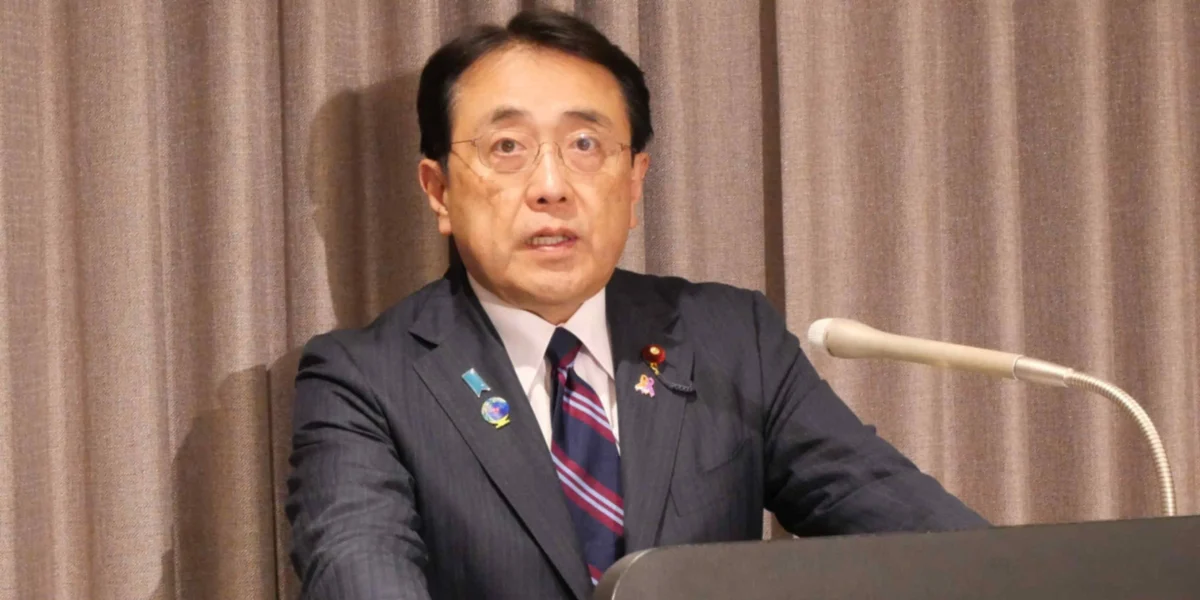
Ryosei Akazawa, Japan’s industry minister, addressing a news conference on March 15 following the Indo-Pacific energy security meeting, emphasized the significance of the partnership. "This framework represents a vital step in ensuring the long-term stability of our economies and our technological advancement," Akazawa stated. "By pooling our resources, expertise, and technological capabilities, Japan and the U.S. can jointly build a more robust and resilient supply chain for the critical minerals that power our future."
While specific details of the U.S. delegation’s remarks were not immediately available, it is widely understood that U.S. officials have consistently championed international cooperation to counter monopolistic control over essential resources. Statements from the U.S. Department of Commerce and the Department of State in recent years have underscored the importance of diversifying supply chains and fostering partnerships with like-minded allies to secure critical materials. This agreement aligns perfectly with those stated objectives.
Broader Implications and Future Outlook
The Japan-U.S. critical minerals framework has far-reaching implications, not only for the two nations involved but also for the broader global landscape of resource security and technological development.
- Enhanced Economic Resilience: By diversifying sources and processing capabilities, both countries can better withstand external shocks, such as trade disputes or geopolitical instability, thereby ensuring the continued operation of their key industries.
- Stimulus for Innovation: Joint investment in research and development is likely to accelerate breakthroughs in mineral extraction, processing, and recycling, potentially leading to more sustainable and cost-effective methods. This could also spur the development of new materials, reducing reliance on specific critical elements.
- Geopolitical Realignment: This partnership signals a broader trend of like-minded nations collaborating to counter concentrated resource control. It may encourage other countries, particularly within the Indo-Pacific region, to pursue similar bilateral or multilateral agreements, leading to a more distributed and balanced global supply network.
- Environmental Considerations: The emphasis on developing environmentally responsible extraction and processing techniques, alongside advanced recycling, is a critical component. This could lead to a reduction in the environmental footprint associated with mineral production, a growing concern globally.
- Technological Leadership: Securing access to critical minerals is fundamental to maintaining leadership in high-growth sectors such as electric vehicles, renewable energy, and advanced computing. This partnership will help ensure that Japan and the U.S. remain at the forefront of these technological revolutions.
The success of this framework will depend on sustained political will, significant investment, and effective collaboration between government agencies, research institutions, and private sector entities in both countries. However, the strategic alignment and the shared urgency surrounding critical minerals security provide a strong foundation for a successful and impactful partnership. As the world continues its transition towards a more sustainable and technologically advanced future, the reliable and secure supply of essential resources will be paramount, making this Japan-U.S. initiative a pivotal development.
