

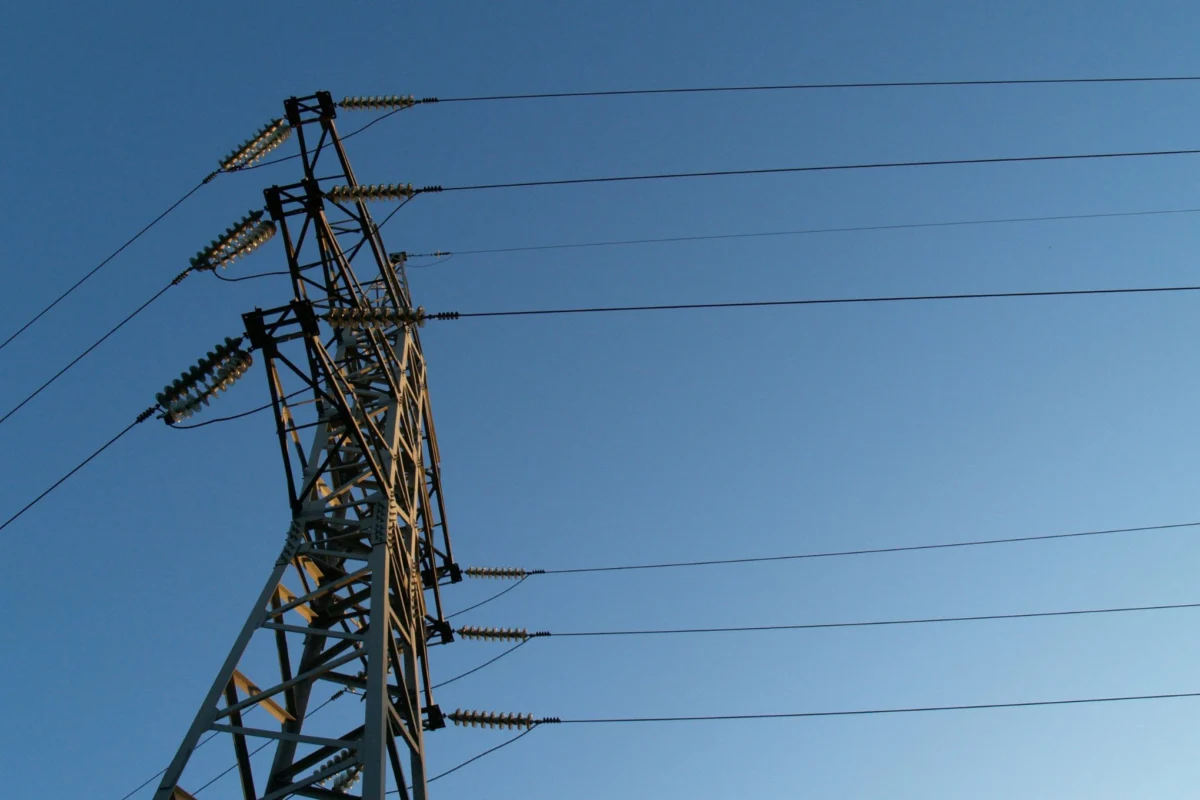
The United States Department of Energy (DOE) through its Office of Electricity (OE) has officially launched a major initiative to fortify the nation’s aging electrical infrastructure, unveiling an approximately $1.9 billion funding opportunity aimed at accelerating the deployment of advanced transmission technologies. This initiative, titled Speed to Power through Accelerated Reconductoring and other Key Advanced Transmission Technology Upgrades (SPARK), represents a strategic pivot toward rapid-response grid modernization. By focusing on the enhancement of existing pathways rather than solely relying on the decades-long process of constructing new transmission lines, the DOE intends to address the immediate pressures of rising electricity demand, resource adequacy, and the economic burden of high energy costs on American households and businesses.
The SPARK program arrives at a critical juncture for the American power sector. For decades, the national grid has functioned as the backbone of the economy, yet much of its infrastructure was designed and installed in the mid-20th century. With the proliferation of energy-intensive industries, including massive data center expansions for artificial intelligence, the electrification of the transportation sector, and a domestic manufacturing resurgence, the existing grid is frequently pushed to its operational limits. The DOE’s latest investment is designed to provide the technical and financial catalyst necessary to transform this legacy system into a high-capacity, resilient, and digitally optimized network capable of meeting 21st-century requirements.
The Strategic Shift Toward Reconductoring and ATTs
At the heart of the SPARK funding opportunity is a technical focus on "reconductoring." This process involves replacing existing power lines with advanced conductors that possess significantly higher capacity and lower thermal sag. Traditional steel-reinforced aluminum cables, which have been the industry standard for nearly a century, are often limited by their weight and heat tolerance. Modern advanced conductors, such as those with carbon fiber or composite cores, can carry up to double the current of traditional lines using the same existing towers and rights-of-way.
By prioritizing reconductoring, the DOE is championing a "brownfield" approach to infrastructure. This strategy bypasses many of the regulatory hurdles, land-acquisition disputes, and environmental permitting delays that typically stall "greenfield" transmission projects for ten years or more. When paired with other Advanced Transmission Technologies (ATTs)—such as Dynamic Line Rating (DLR) sensors, power flow controllers, and topology optimization software—the grid can be managed with surgical precision. These technologies allow grid operators to monitor real-time conditions like wind speed and ambient temperature to push more power through lines safely, effectively unlocking "hidden" capacity that already exists within the current footprint.
U.S. Secretary of Energy Chris Wright emphasized the necessity of this shift, noting that grid modernization and energy addition efforts have historically lacked the prioritization required to keep pace with economic growth. Wright asserted that the SPARK program is a cornerstone of the administration’s efforts to lower electricity costs for families by reducing "congestion costs"—the extra charges incurred when power must be diverted or curtailed because lines are at capacity.
Integration with the Grid Resilience and Innovation Partnerships (GRIP) Program
The SPARK initiative does not exist in a vacuum; it is the latest evolution of the Grid Resilience and Innovation Partnerships (GRIP) Program. Established under the Bipartisan Infrastructure Law, the GRIP Program represents a historic $10.5 billion commitment to strengthening the U.S. electric grid. The program has already seen two significant rounds of funding in fiscal years 2022 through 2024, which supported projects ranging from wildfire mitigation in the West to the hardening of coastal infrastructure against hurricanes.
The transition to the SPARK framework signifies a more targeted application of the remaining GRIP funds. While previous rounds focused broadly on resilience and reliability, SPARK is specifically engineered for "speed to power." The DOE’s Office of Electricity is looking for projects that can be deployed rapidly—within months or a few years rather than decades—to provide immediate relief to regions facing capacity constraints.
Industry advocates have voiced strong support for this tactical narrowing of focus. Dylan Reed, Managing Director at the clean energy advocacy group Advanced Energy United and a former DOE Senior Advisor, noted that investing in advanced transmission technologies is the most efficient way to prepare the grid for growing electricity needs. Reed’s call for the DOE to move swiftly reflects a broader industry consensus: the technology exists, but the financial risk and regulatory inertia have prevented widespread adoption. Federal backing through SPARK is intended to bridge this gap.
Detailed Breakdown of the Three Funding Topic Areas
To ensure a comprehensive approach to grid modernization, the DOE has structured the $1.9 billion funding opportunity into three distinct topic areas, each targeting a specific challenge within the electrical ecosystem.

Topic Area 1: Grid Resilience and Reconductoring
The first pillar focuses on the physical hardening and capacity expansion of the grid. This area supports projects that utilize reconductoring to improve the ability to transfer power between different regions of the country. Inter-regional transfer capability is vital during extreme weather events; for instance, during a heatwave in the South, a robust grid could pull excess power from the Midwest to prevent blackouts. By upgrading existing transmission and sub-transmission lines, utilities can increase system flexibility and reduce the "likelihood and consequences of disruptive events," such as equipment failure or load shedding.
Topic Area 2: Smart Grid Technologies
The second pillar is dedicated to the digital and material evolution of the grid. This area funds the deployment of devices and software that enable real-time monitoring and optimization. This includes "smart" hardware like advanced sensors and power-shifting transformers, as well as sophisticated software tools for grid operators. The goal is to move away from a "static" grid—where capacity is calculated based on worst-case assumptions—to a "dynamic" grid that can adjust its operations based on second-by-second data. This Topic Area prioritizes operational efficiency and the reduction of energy waste during transmission.
Topic Area 3: Grid Innovation and Large-Load Development
The third pillar addresses the most pressing modern challenge: the rapid growth of large-scale electrical loads. As data centers and heavy industrial facilities proliferate, they require massive amounts of reliable power that the current grid often cannot provide. Topic Area 3 prioritizes large-scale, multi-jurisdictional demonstrations that facilitate the development of these new loads. It specifically targets transmission systems that cross planning regions, encouraging collaboration between different Regional Transmission Organizations (RTOs) and Independent System Operators (ISOs). This innovation is crucial for maintaining American industrial competitiveness in the global market.
Economic and Reliability Implications
The implications of the SPARK program extend far beyond engineering specifications. From an economic perspective, a more efficient grid directly translates to lower utility bills. According to industry data, grid congestion costs in the United States reached an estimated $20.8 billion in 2022, a figure that has risen steadily as demand outpaces infrastructure. By increasing capacity through reconductoring and ATTs, the SPARK program aims to eliminate these bottlenecks, allowing cheaper power to reach consumers without the "congestion tax."
Furthermore, the program addresses national security and reliability concerns. A "stiff" grid—one with high transfer capability and redundant pathways—is significantly harder to disrupt. Whether the threat is a physical attack, a cyber-intrusion, or a natural disaster, the ability to reroute power instantly via smart grid technologies ensures that hospitals, emergency services, and residential neighborhoods remain energized.
Timeline and Application Process for Stakeholders
The DOE has established a clear, multi-stage timeline for the SPARK funding opportunity to ensure that only the most viable and impactful projects receive federal support. The process is designed to be rigorous, requiring applicants to demonstrate both technical feasibility and a clear plan for community benefits.
- Informational Webinar: By March 19, 2026, the DOE will host a public webinar to provide technical guidance and answer questions from potential applicants.
- Concept Papers: The first formal step is the submission of concept papers, which are due by April 2, 2026. These papers allow the DOE to review the high-level merits of a project before the applicant commits to the full, intensive application process.
- Full Applications: Following the review of concept papers, eligible parties must submit full applications by May 20, 2026. These applications must include detailed engineering plans, cost-sharing agreements, and impact assessments.
- Selections: The DOE anticipates announcing the final project selections in August 2026.
Eligible recipients for this funding include states, Indian tribes, local governments, and both investor-owned and consumer-owned electric utilities. The DOE encourages partnerships between these entities to foster regional cooperation and maximize the geographic impact of the investments.
Conclusion: A New Era for American Energy Infrastructure
The announcement of the $1.9 billion SPARK program marks a definitive moment in the effort to modernize the American power grid. By pivoting toward the "rapid deployment" of reconductoring and advanced transmission technologies, the Department of Energy is acknowledging that the traditional, slow-moving model of infrastructure development is no longer sufficient for a rapidly evolving digital economy.
As the nation looks toward 2026 and beyond, the success of the SPARK initiative will be measured not just in miles of wire replaced, but in the stability of the energy markets, the resilience of the system during climate extremes, and the ability of American industry to power the next generation of technological innovation. Through this strategic investment, the Office of Electricity aims to prove that the quickest way to a high-tech energy future is by maximizing the potential of the infrastructure already beneath our feet.
