

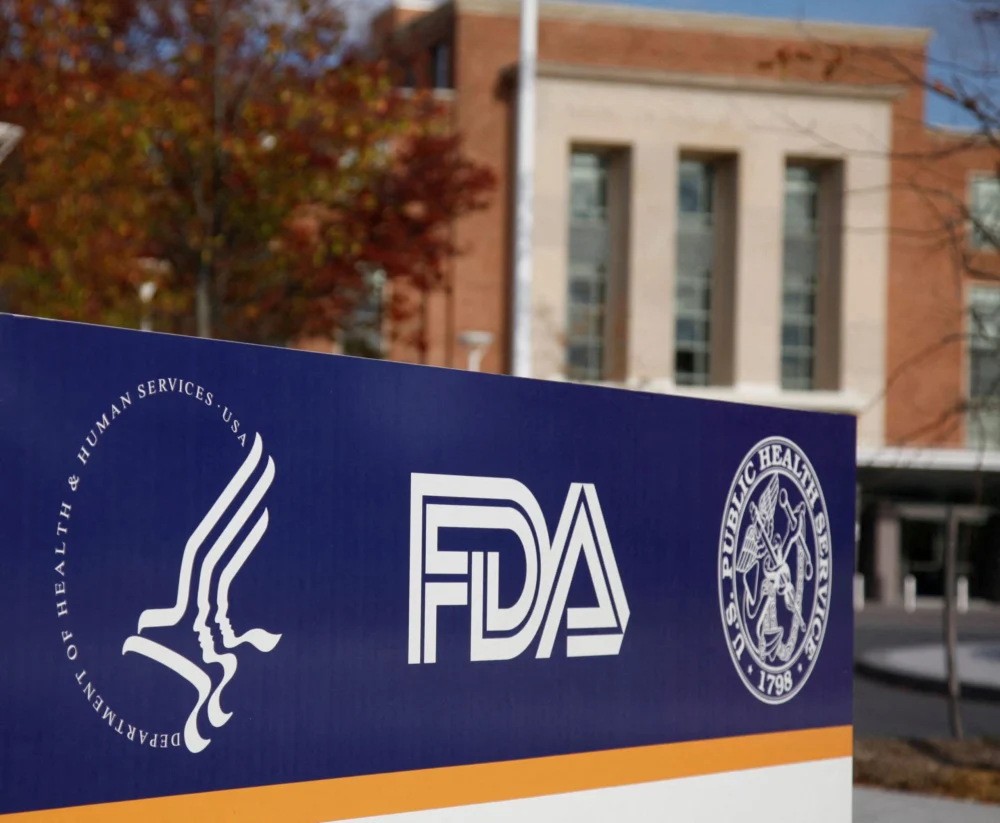
The U.S. Food and Drug Administration (FDA) has granted approval for leucovorin, a long-established prescription vitamin, as the inaugural therapeutic agent for cerebral folate deficiency (CFD), a rare genetic disorder affecting specific adult and pediatric populations. This pivotal regulatory decision, announced on Tuesday, November 4, 2025, marks a significant development for patients suffering from this debilitating condition, while simultaneously navigating a complex public discourse surrounding the drug’s potential, yet unproven, broader applications in autism spectrum disorder (ASD).
The Genesis of Controversy: Leucovorin and Autism Spectrum Disorder
The FDA’s recent action comes after months of intense public and scientific scrutiny, largely ignited by pronouncements from the previous Trump administration. Officials had previously championed leucovorin as a potential breakthrough therapy for a wider cohort of individuals exhibiting symptoms associated with autism spectrum disorder. This advocacy, while offering a beacon of hope to many families grappling with ASD, swiftly elicited considerable skepticism within the established medical and research communities. Concerns were primarily centered on the paucity of robust scientific evidence to substantiate such broad claims.
Despite the scientific reservations, the high-profile endorsements fueled a surge of excitement among parents and caregivers. The resultant surge in interest translated directly into a significant spike in prescriptions for leucovorin across the United States. Families, often desperate for effective interventions for their children with ASD, began seeking out the medication, sometimes through off-label prescriptions, based on anecdotal reports and limited preliminary studies. This period underscored the profound impact that high-level public statements can have on healthcare practices and patient expectations, even in the absence of definitive clinical trial data.
Scientific Scrutiny and Off-Label Use
Leucovorin, also known as folinic acid, is a synthetic derivative of vitamin B9. For decades, its primary medical application has been to mitigate the severe toxic side effects associated with certain chemotherapy regimens, such as methotrexate, by rescuing healthy cells from folate depletion. Its safety profile for this established use is well-understood. However, its application as a treatment for autism spectrum disorder remains largely experimental.
Prior to the FDA’s targeted approval for CFD, only a handful of small-scale, often uncontrolled, trials had cautiously suggested that leucovorin might offer some benefit as an off-label treatment for a subset of children with autism. These preliminary findings, coupled with compelling anecdotal reports from families observing improvements in language development and social skills in their nonverbal children, contributed to the drug’s rising profile within the autism community. Nevertheless, the medical consensus has consistently emphasized the critical need for large-scale, randomized, placebo-controlled clinical trials to definitively ascertain efficacy and safety for ASD.
Addressing the broader autism claims, an FDA official, speaking to reporters on Monday under condition of anonymity to discuss the internal decision-making process, stated unequivocally, "we don’t have sufficient data to say that we could establish efficacy for autism more broadly." This statement served to clarify the agency’s current position, drawing a clear distinction between the specific approval for CFD and the wider, unproven claims regarding ASD. The official did, however, express the agency’s openness to future research, noting that the FDA would welcome interest from pharmaceutical companies or research institutions willing to undertake rigorous studies of leucovorin within the broader autism population. This stance reflects the FDA’s commitment to evidence-based medicine while acknowledging the ongoing search for effective ASD therapies.
Unpacking Cerebral Folate Deficiency: The Approved Indication
The FDA’s approval specifically targets cerebral folate deficiency (CFD), a profoundly rare and often devastating genetic disorder. CFD is characterized by a defect in the transport of folate – a crucial B vitamin essential for brain development and neurological function – from the bloodstream across the blood-brain barrier into the central nervous system. This impaired transport mechanism, typically caused by specific genetic mutations, leads to a critical deficit of folate within the brain, despite normal or even elevated folate levels in the peripheral blood.
Understanding the Rare Genetic Disorder
CFD typically manifests in early childhood, often before the age of two, though diagnosis can sometimes be delayed due to its rarity and the nonspecific nature of its initial symptoms. The condition is progressive and, if left untreated, can lead to severe and irreversible neurological damage. The prevalence of CFD is estimated to be extremely low, affecting perhaps one in tens of thousands to hundreds of thousands of live births, classifying it as an "ultra-rare disease" under regulatory definitions. Such rarity often presents significant challenges for drug development, making FDA approvals particularly noteworthy for these conditions.
Clinical Manifestations and Overlap with ASD
The clinical presentation of CFD shares several overlapping features with autism spectrum disorder, contributing to diagnostic complexities and sometimes delaying appropriate treatment. Common symptoms of CFD include significant developmental delays, which can affect motor skills, language acquisition, and cognitive function. Affected children often experience recurrent seizures, which can be difficult to control. Other serious neurological complications may include ataxia (lack of muscle control), hypotonia (low muscle tone), spasticity, and impaired intellectual development. Behavioral issues, including features sometimes seen in ASD, can also be present, stemming from the underlying neurological dysfunction caused by folate deficiency in the brain.
The recognition of these overlapping features highlights the importance of accurate diagnosis. While leucovorin’s approval specifically targets CFD, the symptomatic similarities underscore why some families of children with ASD might have pursued the treatment, especially in cases where an underlying metabolic or genetic cause for their child’s neurodevelopmental challenges remained elusive.
The FDA’s Rigorous Pathway: Data and Decision-Making
The FDA’s decision to approve leucovorin for CFD was not based on a traditional, large-scale, randomized controlled clinical trial, which is typically the gold standard for drug approvals. Instead, the agency adopted a pragmatic yet rigorous approach tailored for ultra-rare diseases, relying on a systematic review of existing published literature, including comprehensive patient case reports. This methodology, while presenting certain inherent challenges, was deemed appropriate given the extreme rarity of CFD and the ethical and logistical difficulties of conducting conventional trials in such a small patient population.
Focusing on "Highest Quality Data"
FDA officials, explaining their rationale, emphasized that their review process began with a broad examination of leucovorin’s potential as an autism treatment. However, as they delved deeper into the available scientific and clinical evidence, they progressively narrowed their focus. It became evident that the "highest quality data" and the "largest effect sizes" were consistently observed in studies and case reports involving patients specifically diagnosed with cerebral folate deficiency.
"That was the data where we saw the largest effect sizes," an FDA official elaborated during the Monday briefing. "So we narrowed in on that population, just because we felt like that was the strongest both scientific rationale and also the largest treatment effects that could be used to then overcome some of the limitations in the data sources." This strategic narrowing allowed the FDA to identify a population where the therapeutic benefit of leucovorin was most unequivocally demonstrated, providing a solid foundation for approval despite the non-traditional data sources. The approval will encompass both generic formulations of leucovorin and GSK’s historical branded medication, Wellcovorin, ensuring broad access.
Acknowledging Methodological Limitations and Strengths
The official candidly acknowledged that relying on systematic reviews of published literature and case reports, rather than a prospective randomized controlled trial, introduces potential biases. These biases can include publication bias (tendency to publish positive results), selection bias in case reporting, and variations in diagnostic criteria or treatment protocols across different studies. However, the agency concluded that the magnitude of the observed treatment effects in CFD patients was so substantial and consistent across the reviewed literature that these effects outweighed the inherent limitations of the data sources. The dramatic improvements reported in neurological function and symptom amelioration in CFD patients treated with leucovorin provided compelling evidence of its efficacy.
Regulatory Framework for Ultra-Rare Diseases
This approval underscores the FDA’s flexible, yet uncompromising, approach to regulating treatments for ultra-rare diseases. The agency often employs adaptive regulatory pathways, such as orphan drug designations and expedited review processes, to accelerate the development and approval of therapies for conditions affecting very small patient populations. These pathways recognize the unique challenges faced by researchers and pharmaceutical companies in conducting large-scale trials for diseases with limited patient numbers. The approval of leucovorin for CFD exemplifies the FDA’s commitment to applying rigorous evidentiary standards while adapting to the practical realities of rare disease research.
Industry Response and Supply Chain Considerations
The re-emergence of leucovorin into the spotlight, particularly its specific approval for CFD, has significant implications for the pharmaceutical industry. While the drug has been available generically for many years, the renewed demand, initially fueled by the broader autism discussion and now cemented by a specific FDA-approved indication, necessitates careful management of the supply chain.
GSK’s Stance on Wellcovorin
GlaxoSmithKline (GSK), which originally marketed the branded version of leucovorin, Wellcovorin, from 1983 until 1997, had previously indicated in September that it had "no plans to relaunch and manufacture" the product itself. This decision likely reflects strategic priorities, the maturity of the generic market for leucovorin, and the substantial investment required to re-establish manufacturing and marketing infrastructure for an old drug. Nevertheless, the FDA’s approval for CFD means that any existing generic versions of leucovorin can now be marketed and prescribed for this specific indication, alongside their established uses.
Ensuring Adequate Supply
Recognizing the potential for increased demand, particularly for a specific, newly approved indication, FDA officials stated that the agency is actively encouraging existing manufacturers of generic leucovorin to scale up production. This proactive measure aims to ensure that patients diagnosed with cerebral folate deficiency have consistent and unimpeded access to the medication. Supply chain robustness is a critical concern, especially for therapies targeting rare diseases, where even minor disruptions can have severe consequences for patients.
Expert Perspectives and Broader Implications
The FDA’s approval of leucovorin for CFD represents a nuanced triumph of scientific rigor applied to the complex landscape of rare disease treatment and public health messaging.
Statements from FDA Leadership
Dr. Tracy Beth Hoeg, acting director of the FDA’s Center for Drug Evaluation and Research (CDER), encapsulated the agency’s commitment in a release accompanying Tuesday’s announcement. She stated that the approval "demonstrates the FDA’s commitment to rapidly identifying effective treatments for ultra-rare diseases while maintaining the same evidentiary standards for approval." This statement is crucial, as it reaffirms that even for rare conditions, the agency upholds its fundamental mission of ensuring drug safety and efficacy based on robust scientific evidence, even if the nature of that evidence must be adapted to the specific context.
Balancing Hope and Scientific Evidence
For families affected by cerebral folate deficiency, this approval offers a newfound hope and a clear, evidence-based treatment path. Having an FDA-approved drug provides significant advantages, including clearer prescribing guidelines, potential insurance coverage, and a formal recognition of the condition and its treatment.
Conversely, for the broader autism community, the FDA’s clarification serves as a necessary recalibration of expectations. While the agency has not ruled out future research into leucovorin for wider ASD applications, its current stance underscores that the scientific evidence does not yet support such claims. This distinction is vital for preventing the diversion of resources and hope towards unproven therapies, instead encouraging continued investment in scientifically validated research for ASD. It also highlights the responsibility of public officials and media to communicate scientific findings with precision and avoid generating premature enthusiasm for treatments lacking robust data.
The Future of Leucovorin Research
The FDA’s openness to further study leucovorin in the autism population leaves the door ajar for future research. This might involve identifying specific biomarkers or genetic subsets within the ASD population that might respond to leucovorin, similar to how CFD was identified as a distinct, treatable condition. Such targeted research could potentially unlock new therapeutic avenues while maintaining scientific integrity.
In conclusion, the FDA’s approval of leucovorin for cerebral folate deficiency is a landmark achievement for a small, underserved patient population. It underscores the agency’s adaptive approach to rare disease regulation, its unwavering commitment to evidence-based decision-making, and its critical role in distinguishing between scientifically validated treatments and unproven therapeutic claims, particularly in areas of high public interest like autism spectrum disorder. This decision sets a precedent for how older, established medications can find new, vital applications through rigorous scientific re-evaluation.
