

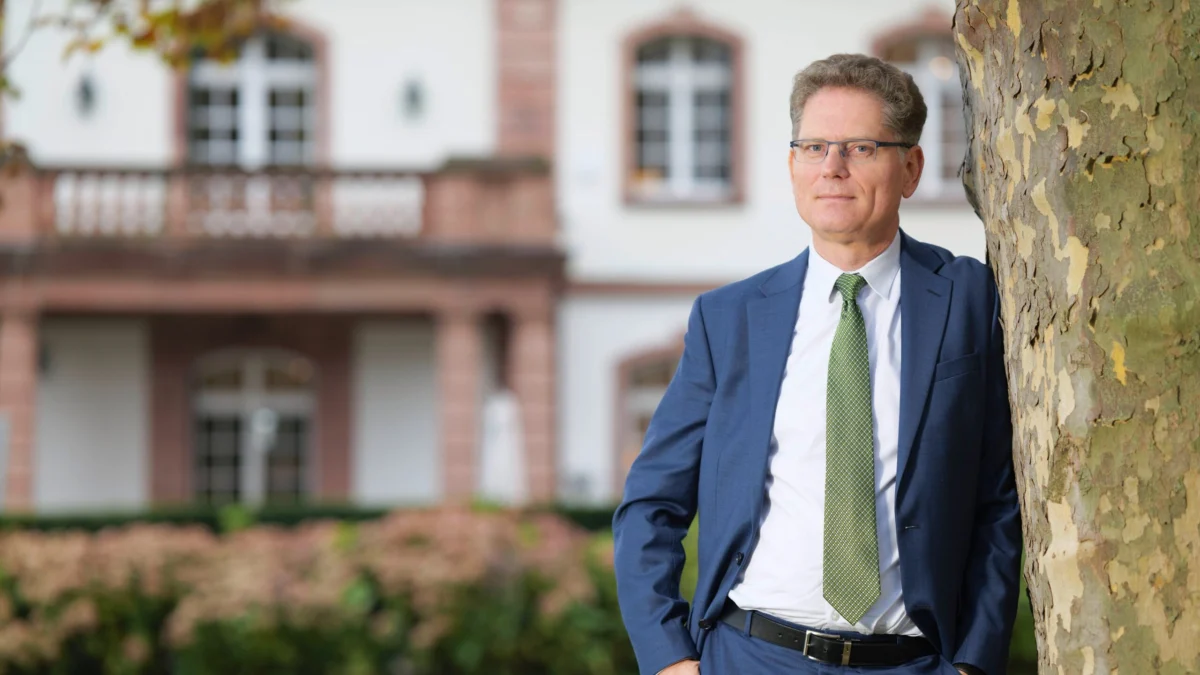
In a move signaling a significant shift in European monetary policy leadership, Markus Brunnermeier, a distinguished economist and professor at Princeton University, is set to assume the pivotal role of Chief Economist at the European Central Bank (ECB). This appointment places Brunnermeier at the forefront of shaping the ECB’s monetary strategy during a period marked by considerable economic uncertainty, geopolitical instability, and persistent inflationary pressures across the Eurozone. The decision, reached through discussions between German Chancellor Olaf Scholz and Finance Minister Christian Lindner, highlights a consensus on the need for experienced and forward-thinking economic leadership within the Eurozone’s highest monetary institution.
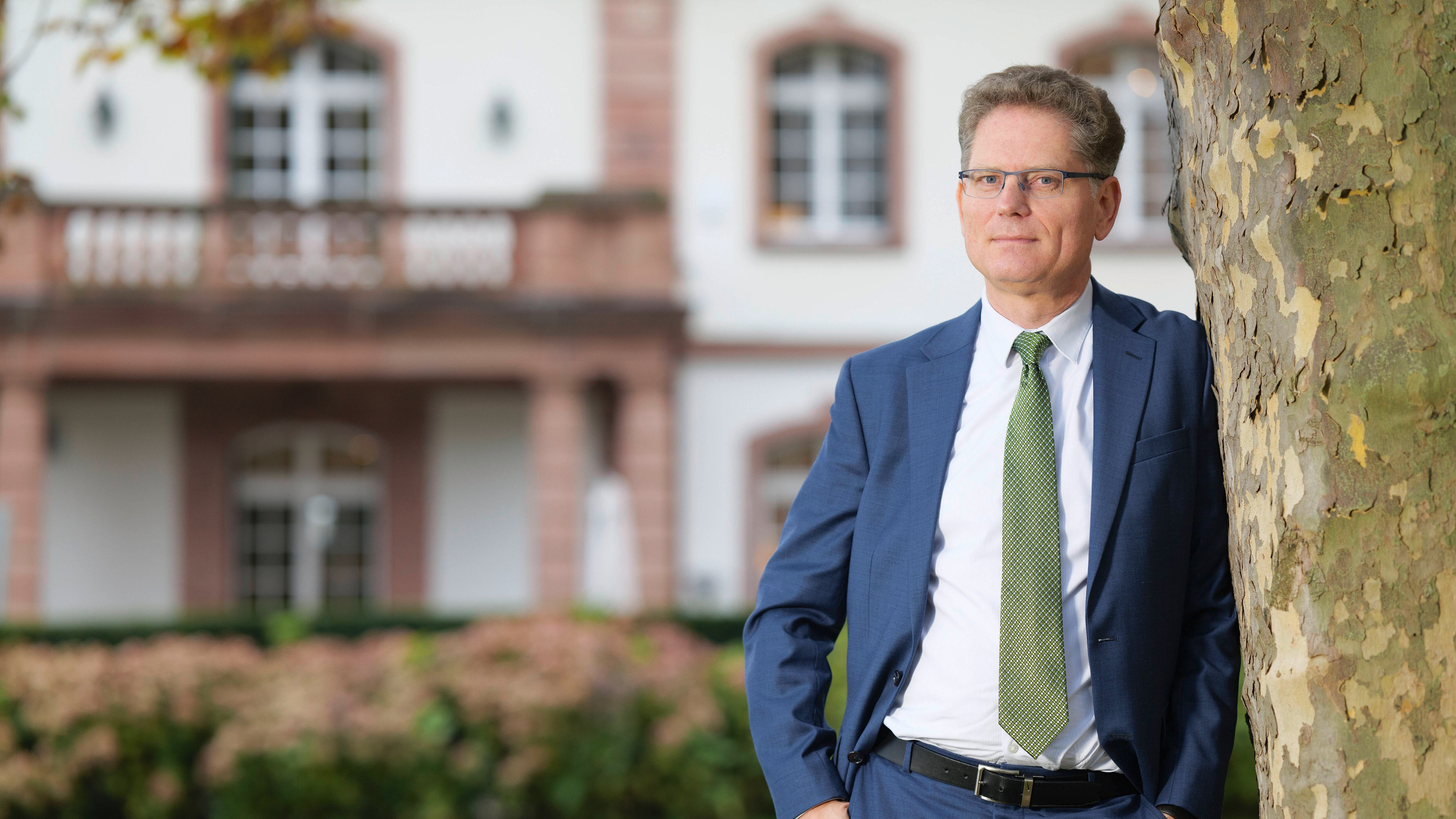
Brunnermeier, known for his academic rigor and pragmatic approach to economic challenges, brings a wealth of experience from his tenure as the Edwards S. Sanford Professor of Economics at Princeton and Director of its Bendheim Center for Finance. His appointment is seen as a strategic move by the ECB to leverage his expertise in navigating the intricate economic currents that are currently challenging the stability and growth prospects of the Eurozone.
The "Tina Principle" and the Need for Clear Communication
Brunnermeier’s commentary often touches upon the "Tina Principle," an acronym for "There Is No Alternative." He criticizes its overuse in policy-making, arguing that it fosters a sense of inevitability rather than encouraging robust debate and exploration of viable alternatives. This principle, he contends, is often employed by politicians who first generate fear about a situation and then assert that their proposed solution is the only viable path forward. This tendency, he believes, can hinder genuine reform and alienate the public, a sentiment that resonates with the challenges faced by policymakers in explaining complex economic decisions.

His observations are particularly pertinent given the history of reform efforts in Germany. Brunnermeier’s critique implicitly references instances where ambitious reform agendas have faltered, partly due to a lack of clear articulation of their benefits to the broader population. The increasing resistance to reforms, he suggests, can often be attributed to insufficient communication about their underlying rationale and intended positive outcomes. This underscores the importance of transparency and public engagement in the policymaking process, especially when dealing with sensitive economic adjustments.
A Complex Economic Environment Awaits
The appointment comes at a particularly challenging juncture for the global and European economies. The Eurozone is grappling with the lingering effects of supply chain disruptions, the energy crisis exacerbated by geopolitical tensions, and a surge in government debt levels. Brunnermeier’s arrival at the ECB is thus timely, as he will be tasked with steering monetary policy through these multifaceted challenges.
The current geopolitical climate, marked by events such as the blockade of the Strait of Hormuz, has demonstrated the fragility of global supply chains and the potential for rapid price shocks. Simultaneously, sovereign debt across the Eurozone has been on a steady upward trajectory, raising concerns about fiscal sustainability and the potential for future financial instability.
Navigating Inflation and Interest Rate Dilemmas
One of the most pressing issues facing the ECB is inflation. While the peak of the energy-driven inflation seen in 2022 may have passed, underlying price pressures persist, fueled in part by wage growth and second-round effects. The debate over the appropriate level of interest rates is intensifying, with significant divergence of views on how aggressively the ECB should tighten monetary policy.

Brunnermeier’s nuanced perspective on inflation control is noteworthy. He has previously expressed concerns about high government debt and the risk of inflation, particularly when driven by wage increases. During the energy crisis of 2022, he advocated for a more assertive stance from the ECB in combating inflation. However, he also acknowledged the need for a bond-buying program to support highly indebted Eurozone countries, demonstrating a pragmatic approach that balances inflation control with financial stability.
In a recent interview with Handelsblatt, Brunnermeier suggested that a three percent inflation target, as pursued by the U.S. Federal Reserve, might be more realistic than the ECB’s current two percent target. This stance indicates a willingness to reassess long-standing policy objectives in light of evolving economic realities. Such a recalibration could have profound implications for the ECB’s future monetary policy framework, potentially influencing inflation expectations and investment decisions across the continent.

The Concept of Resilience as a Guiding Principle
Brunnermeier’s academic work and public discourse have consistently emphasized the concept of "resilience." In his 2021 book, "The Resilient Society," he explored how societies can become more robust in the face of crises, drawing lessons from the COVID-19 pandemic. His core argument centers on the importance of flexibility and adaptability in economic structures, enabling them to withstand shocks and adjust to new circumstances. This philosophy of resilience is likely to inform his approach to monetary policy, advocating for strategies that build long-term stability rather than merely reacting to immediate crises.
This emphasis on resilience is not merely theoretical. Brunnermeier has been actively involved in policy discussions, particularly concerning the modernization of the German economy. Alongside economist Stefan Kolev, he co-authored an "Agenda for Awakening" in Handelsblatt, proposing ten reforms aimed at enhancing the competitiveness and adaptability of German industry. This initiative sparked considerable debate within the German government, highlighting Brunnermeier’s influence on policy discourse. The core of these proposals focused on transforming the economic structure to ensure rapid adaptation to evolving global conditions, moving beyond the preservation of existing models.

A Pragmatic and Collaborative Approach
Brunnermeier’s intellectual approach is characterized by a willingness to engage with a diverse range of perspectives. While generally aligned with liberal economic thought, he is not afraid to propose unconventional solutions. This open-mindedness has earned him respect across the political spectrum in Germany. He has maintained dialogues with Chancellor Scholz, participated in events organized by the CDU’s economic minister, and received praise from the Green Party’s finance minister in Baden-Württemberg. Even former FDP Finance Minister Christian Lindner visited him in Princeton, underscoring Brunnermeier’s broad appeal and the recognition of his expertise by key political figures.
This collaborative spirit is crucial for the ECB, an institution that requires broad consensus and understanding to effectively implement its policies. Brunnermeier’s ability to connect with policymakers from different parties suggests he can bridge ideological divides and foster a more unified approach to economic challenges.

A Personal Journey Shaped by Adaptation
Brunnermeier’s own life journey reflects the principle of resilience he advocates. Originally intending to inherit his father’s carpentry business in Landshut, he ultimately pursued a different path due to the downturn in the construction industry in the 1990s. This personal experience of adapting to changing economic circumstances likely informs his understanding of the importance of flexibility and foresight in both individual and societal contexts.
He pursued his education through unconventional routes, earning his Abitur (high school diploma) via the second educational pathway after his initial career aspirations shifted. This dedication to continuous learning and adaptation led him to study at the University of Bonn before transferring to the prestigious London School of Economics (LSE). His academic career trajectory, from assistant professor at Princeton in 1999 to a full professorship in 2006, is a testament to his intellectual prowess and dedication. This rich tapestry of academic achievement and personal resilience positions him well to tackle the complex challenges that lie ahead at the ECB.

The Broader Implications for European Monetary Policy
Brunnermeier’s appointment as Chief Economist of the ECB carries significant implications for the future direction of monetary policy in the Eurozone. His emphasis on resilience, clear communication, and a pragmatic approach to inflation management suggests a potential shift towards a more adaptable and forward-looking monetary policy framework.
His willingness to question established targets, such as the two percent inflation goal, indicates an openness to recalibrate policy objectives based on evolving economic realities. This could lead to a more flexible approach to inflation targeting, potentially incorporating a broader range of economic indicators and considerations. Furthermore, his focus on building resilience within the economy could translate into policies aimed at strengthening the Eurozone’s capacity to withstand future shocks, whether they stem from financial markets, geopolitical events, or climate change.

The success of Brunnermeier’s tenure will hinge on his ability to translate his academic insights into effective policy decisions within the complex institutional framework of the ECB. His appointment, however, signals a clear commitment to bringing a fresh perspective and a robust analytical approach to one of Europe’s most critical economic institutions. As he steps into this role, the Eurozone will be watching closely to see how his leadership shapes the path forward in an era of unprecedented economic challenges and opportunities. His deep understanding of financial markets, coupled with his commitment to economic resilience, suggests a steady hand at the helm during a period of significant global economic transition.
