

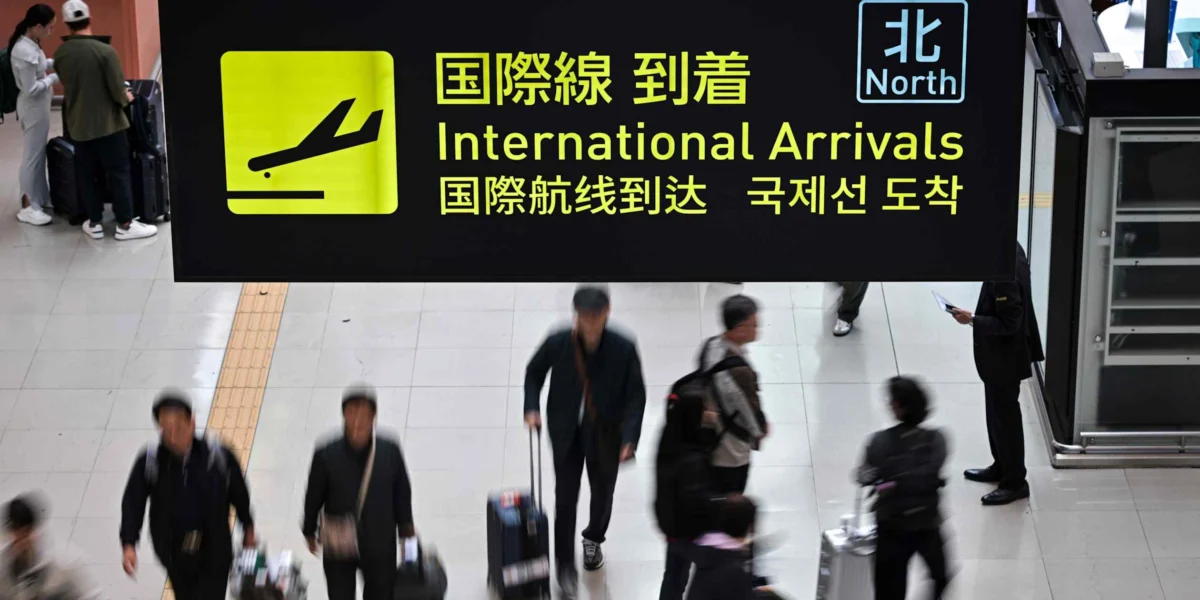
TOKYO — In a significant move to bolster its border security and immigration management, the Japanese government has announced plans to introduce an online travel authorization system for air and sea transit passengers originating from a select group of countries. This new system, slated for implementation in fiscal year 2028, represents a strategic enhancement of Japan’s existing border control measures. While the specific list of countries subject to this new requirement has not yet been finalized, the directive signals a proactive approach to managing the flow of individuals transiting through Japan, even if they are not entering the country for a prolonged stay.
The decision, revealed by sources close to the matter and reported by Nikkei, underscores Japan’s growing emphasis on national security and the need for a more robust, technologically driven approach to border management. The online authorization system is expected to function similarly to existing pre-travel screening programs implemented by other nations, requiring passengers to submit personal information, travel details, and potentially other documentation for review before their journey commences. This proactive vetting process aims to identify potential risks and streamline immigration procedures, thereby enhancing the overall efficiency and security of Japan’s ports of entry.
Background and Rationale
The impetus behind this new policy stems from a confluence of factors, including evolving global security landscapes, the persistent desire to manage irregular migration, and the broader ambition to modernize Japan’s immigration infrastructure. For years, Japan has strived to balance its welcoming image for tourists and business travelers with the imperative of maintaining stringent security protocols. This new system appears to be a calculated step towards achieving that equilibrium.
Historically, Japan has operated with a relatively open border policy for short-term stays, particularly for citizens of visa-waiver countries. However, the increasing volume of international travel, coupled with global concerns over terrorism and illicit activities, has prompted a re-evaluation of existing border control mechanisms. The COVID-19 pandemic further accelerated the adoption of digital solutions for travel management, highlighting the potential for online systems to enhance public health and security.
The proposed online travel authorization system is not intended to replace existing visa requirements for those seeking entry into Japan for extended stays or specific purposes. Instead, it is designed to specifically address the transit passenger segment, a demographic that has historically been subject to less rigorous scrutiny compared to those intending to enter the country. By extending pre-travel authorization to transit passengers, Japan aims to gain greater visibility and control over individuals passing through its territories, even for short durations.
Chronology of Implementation
The journey towards this new policy has been a gradual but deliberate one, reflecting the meticulous nature of Japanese policy-making.
- Early Discussions and Feasibility Studies (Pre-2025): It is likely that initial discussions and feasibility studies regarding the implementation of enhanced transit passenger screening have been ongoing for several years within relevant government ministries, including the Ministry of Justice, the Ministry of Foreign Affairs, and the Ministry of Land, Infrastructure, Transport and Tourism. These studies would have assessed the technological requirements, operational challenges, and potential impact on passenger flow.
- Policy Formulation and Inter-Ministerial Coordination (2025-2027): The decision to move forward with the system in fiscal 2028 suggests a period of intensive policy formulation and inter-ministerial coordination during this timeframe. This would involve drafting legislation, developing the technical specifications for the online platform, and engaging in consultations with relevant stakeholders, including airlines, shipping companies, and potentially international bodies.
- System Development and Pilot Testing (2027-2028): Fiscal year 2027 would likely be dedicated to the actual development and rigorous testing of the online travel authorization platform. This phase would involve building the necessary IT infrastructure, designing user interfaces, and conducting pilot programs to identify and rectify any glitches or inefficiencies before the official launch.
- Official Announcement and Public Awareness Campaign (Late 2027/Early 2028): A formal announcement of the policy, including the specific countries affected and detailed instructions for passengers, would be expected in the months leading up to the fiscal 2028 launch. This would be accompanied by a public awareness campaign to inform travelers, airlines, and travel agencies about the new requirements.
- Implementation in Fiscal Year 2028 (April 2028 – March 2029): The system is scheduled to become operational within this fiscal year, marking a new era in Japan’s border control procedures for transit passengers.
Supporting Data and Trends
While specific data points driving the decision to target transit passengers are not publicly available, several broader trends in international travel and border security provide context.
- Increasing Transit Passenger Volumes: Japan, as a major global hub, experiences substantial transit passenger traffic. Data from the Japan National Tourism Organization (JNTO) consistently shows millions of international arrivals annually. While precise figures for transit-only passengers are not always segregated, the sheer volume suggests a significant number of individuals pass through Japanese airports and ports without entering the country for extended periods. For instance, in 2019, before the pandemic, Japan welcomed over 31.8 million foreign visitors. While many of these were tourists, a considerable portion would have transited through its major airports.
- Global Shift Towards Pre-Travel Screening: The trend towards online travel authorization systems is global. Programs like the Electronic System for Travel Authorization (ESTA) in the United States, ETIAS (European Travel Information and Authorisation System) for the Schengen Area, and similar systems in Canada and Australia have become standard for many international travelers. Japan’s move aligns with this international norm, suggesting a desire to harmonize its border control practices with global standards.
- Technological Advancements in Border Management: The development of sophisticated biometric and digital identity verification technologies has made it more feasible and efficient to implement online screening systems. These systems can process vast amounts of data quickly and accurately, enhancing security without unduly burdening legitimate travelers.
Official Responses and Stakeholder Reactions (Inferred)
While official statements from government bodies are pending, it is possible to infer likely reactions and considerations from various stakeholders.
- Ministry of Justice and Immigration Bureau: This ministry, being at the forefront of immigration control, would likely view the system as a critical tool for enhancing national security, preventing illegal entry, and improving the efficiency of immigration processing. They would emphasize the proactive nature of the system in identifying potential security risks before they reach Japanese soil.
- Ministry of Foreign Affairs: The Ministry of Foreign Affairs would be concerned with ensuring the system does not unduly deter legitimate travelers or create diplomatic friction with countries whose citizens are subject to the new requirements. They would likely work to ensure clear communication and a user-friendly application process.
- Ministry of Land, Infrastructure, Transport and Tourism: This ministry, overseeing airports and ports, would focus on the operational aspects of the system, ensuring minimal disruption to flight schedules and passenger flow. They would collaborate with airlines and shipping companies to integrate the new procedures smoothly.
- Airlines and Shipping Companies: These entities would likely welcome any measure that enhances security and streamlines passenger processing, provided the system is efficient and does not introduce significant delays or complexities for their operations. They would need to adapt their check-in procedures and communication strategies to inform passengers of the new requirements.
- Travel Industry and Business Groups: While acknowledging the security benefits, the travel industry might express concerns about potential impacts on transit tourism and the need for clear guidelines to avoid confusion. They would advocate for a straightforward application process and timely processing of authorizations.
- Civil Liberties Advocates: Any new surveillance or screening measure can raise concerns about privacy and potential for discrimination. It would be expected that discussions would occur to ensure the system is implemented with robust data protection safeguards and that appeals processes are in place.
Broader Impact and Implications
The introduction of an online travel authorization system for transit passengers by Japan carries several significant implications:
- Enhanced National Security: The primary benefit is expected to be a strengthened national security posture. By pre-screening individuals passing through Japan, authorities can potentially identify individuals with links to criminal activities, terrorism, or other security threats before they arrive. This proactive approach can prevent incidents and enhance the overall safety of the country.
- Streamlined Immigration Procedures: For legitimate transit passengers, a well-designed online system can expedite the processing at immigration checkpoints. By having authorizations pre-approved, immigration officers can focus on verification rather than extensive initial screening, potentially reducing queues and improving passenger experience.
- Modernization of Border Control: This move signifies Japan’s commitment to modernizing its border control infrastructure, leveraging digital technologies to meet the challenges of 21st-century international travel. It positions Japan alongside other leading nations in adopting advanced security measures.
- Potential Impact on Transit Tourism: While the system is primarily for transit passengers, there is a possibility that some individuals who might have previously considered short transit stays in Japan might reconsider if the authorization process is perceived as burdensome. However, the government’s intention is likely to minimize impact on genuine transit and focus on risk mitigation.
- Data Management and Privacy: The implementation of such a system will necessitate robust data management protocols to ensure the security and privacy of the personal information collected. Japan will need to establish clear policies on data retention, access, and protection to comply with privacy regulations and maintain public trust.
- International Cooperation: The effectiveness of such a system often relies on international cooperation and information sharing with other countries. Japan may engage in dialogues with partner nations to exchange intelligence and best practices related to border security and transit passenger screening.
The fiscal 2028 deadline suggests a thorough and considered approach to implementation. As the specific details of the countries involved and the operational mechanics of the system are gradually revealed, a clearer picture of its full impact on international travel and Japan’s border security strategy will emerge. This initiative underscores Japan’s dedication to adapting its immigration policies to the evolving global landscape, prioritizing both security and the facilitation of legitimate international movement.
