

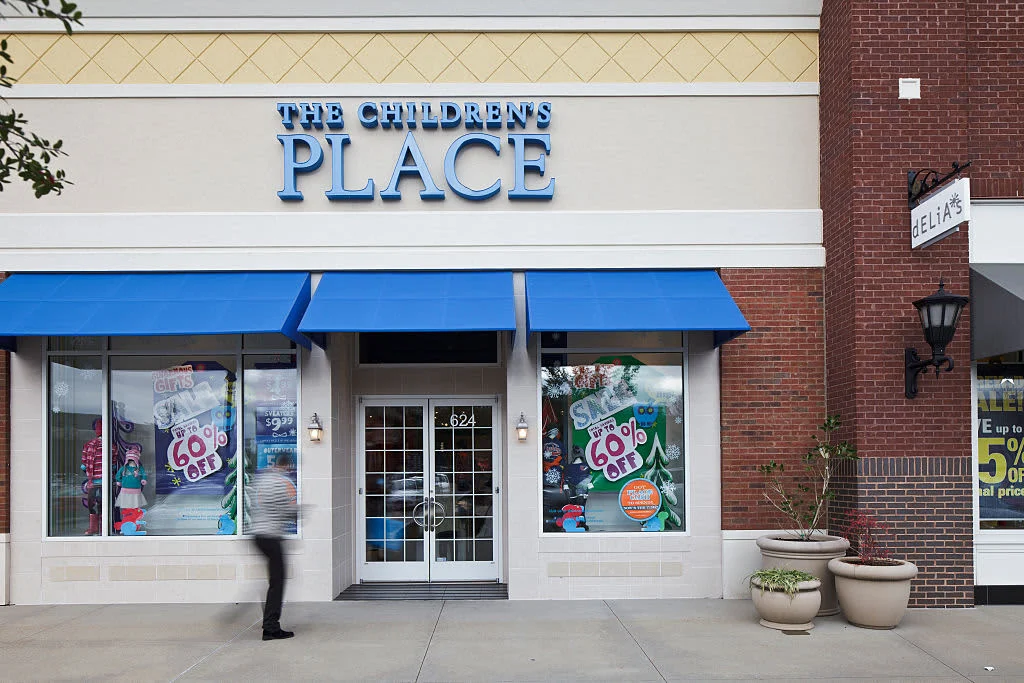
Children’s clothing retailer The Children’s Place announced on Sunday its filing for Chapter 11 bankruptcy protection, marking a significant turn for the nearly 60-year-old brand. The company, which also operates the Gymboree label, is initiating a swift process to sell substantially all of its assets, aiming to secure offers from potential buyers by December 9 and finalize a deal by the close of December. This move underscores the severe financial pressures facing traditional retail, exacerbated by shifts in consumer behavior, macroeconomic headwinds, and persistent supply chain challenges.
A Legacy Under Pressure: The Children’s Place’s Journey
Founded in 1969, The Children’s Place has long been a staple in North American shopping malls and suburban retail centers, catering to growing families with a wide range of apparel. Over its decades of operation, the company carved out a significant niche in the children’s wear market, expanding its footprint to include 514 North American stores and two robust digital storefronts. Its global reach extends to 13 countries through a network of franchise and wholesale partners, cementing its status as a major player in the specialized retail segment. The acquisition of Gymboree, another iconic children’s apparel brand, in 2019 following its own bankruptcy, demonstrated The Children’s Place’s ambition to consolidate market share and leverage established brand recognition. However, even with this expanded portfolio and extensive operational infrastructure, the company has struggled to adapt to the rapidly evolving retail environment, where digital-first competitors, fast fashion trends, and discounters have increasingly challenged traditional models.
The Path to Chapter 11: A Chronology of Challenges
The bankruptcy filing on Sunday is the culmination of several years of financial deterioration and strategic shifts.
- 2024: Saudi-based Mithaq Capital, a diversified investment company, took a majority stake in The Children’s Place. This investment was intended to inject much-needed capital and strategic direction into the struggling retailer, which was already facing significant financial headwinds. Mithaq Capital’s managing director, Muhammad Asif Seemab, assumed the role of interim CEO, signaling a hands-on approach from the new majority owner.
- February 2024: Reports indicated The Children’s Place was seeking approximately $130 million in new debt financing, following Mithaq Capital’s significant investment. This highlighted an ongoing need for liquidity despite the change in ownership structure.
- Second Fiscal Quarter of 2026 (Most Recently Reported): The company reported a substantial nearly 19% drop in net sales compared to the same period in the prior year. Interim CEO Muhammad Asif Seemab attributed this decline to "lower conversion, combined with a very clearance-heavy mix," and tough comparisons to a prior-year period characterized by elevated back-to-school demand ahead of anticipated tariff price increases. This quarter’s performance underscored the continued difficulty in stabilizing sales and profitability.
- Days Before Bankruptcy Filing: Interim CEO Muhammad Asif Seemab and Chief Strategy Officer Muhammad Umair, both associated with Mithaq Capital, stepped down from their executive roles. While they remain on the company’s board, their departure from operational leadership immediately preceding a bankruptcy filing is a strong indicator of the severity of the company’s situation and potentially differing views on the path forward. CFO John Szczepanski stepped into the role of acting president and principal executive officer, taking the helm during this critical transition.
- Sunday, [Date of Filing – infer this is recent]: The Children’s Place officially filed for Chapter 11 bankruptcy protection, initiating the formal process for asset liquidation or reorganization.
Deepening Financial Distress: Unpacking the Numbers
The bankruptcy filing documents paint a stark picture of The Children’s Place’s financial standing. The company reported approximately $742 million in assets against a significantly larger sum of about $881 million in debts. This deficit of nearly $140 million highlights the severity of its insolvency and the inability of previous strategic maneuvers and investments, including Mithaq Capital’s majority stake, to reverse the downward trend. A significant portion of these debts likely includes trade payables to vendors, lease obligations for its extensive store network, and various forms of secured and unsecured loans.
The 19% decline in net sales during the second fiscal quarter of 2026 is particularly alarming for a retail business heavily reliant on volume and seasonal demand. While specific economic factors like "anticipated tariff price increases" and "slower consumer spending" were cited as contributors, these are broad macroeconomic pressures that have impacted many retailers. The company’s internal challenges, such as "lower conversion" rates, suggest difficulties in turning browsing customers into buyers, potentially due to pricing, product assortment, or competitive pressures. A "clearance-heavy mix" indicates a reliance on discounting to move inventory, which erodes profit margins and signals a struggle to sell products at full price, a critical component of healthy retail operations. This persistent reliance on promotional activity often traps retailers in a cycle of diminishing returns, making it difficult to invest in future growth or maintain operational efficiency.
Leadership in Transition: Navigating the Crisis
The recent executive shake-up further illustrates the urgency and gravity of the situation. The departure of Muhammad Asif Seemab and Muhammad Umair, key figures from the majority stakeholder Mithaq Capital, just days before the Chapter 11 filing, suggests an internal recognition that the company’s existing strategies were unsustainable or that a different leadership approach was required for the bankruptcy process. While their continued presence on the board indicates an ongoing interest from Mithaq Capital, their stepping down from operational roles places a new burden on CFO John Szczepanski, who has assumed the mantle of acting president and principal executive officer. Szczepanski’s background in finance will be crucial in navigating the complexities of Chapter 11, which involves rigorous financial oversight, negotiation with creditors, and the execution of the asset sale. This transition highlights the critical need for leadership experienced in crisis management and restructuring during such a turbulent period.
The Asset Sale Process: A Bid for Survival
The decision to pursue an asset sale under Chapter 11 protection indicates a strategic choice to maximize value for creditors and stakeholders through a structured, court-supervised process. Unlike Chapter 7 liquidation, Chapter 11 allows a company to continue operations while it reorganizes its finances and sells assets, aiming for a more orderly and potentially more lucrative outcome than a forced liquidation. The company is actively seeking offers from potential buyers by December 9, with an ambitious goal to close a deal by the end of December. This expedited timeline suggests a desire to minimize ongoing operational costs associated with bankruptcy and to capitalize on potential buyer interest before further market erosion.
Potential buyers for The Children’s Place’s assets could include private equity firms specializing in distressed assets, other children’s apparel retailers looking to expand their market share or acquire specific brands like Gymboree, or even e-commerce pure-plays seeking to integrate brick-and-mortar operations. The sale could encompass the entire business, including both brands, the physical store leases, intellectual property, inventory, and digital infrastructure, or it could be piecemeal, with different entities acquiring specific components. The court’s role in this process is paramount, ensuring transparency, fairness, and adherence to legal requirements, ultimately approving the sale that offers the best value for the creditors. The continuation of "ongoing inventory sales with court approval" indicates an immediate need to generate cash flow while the sale process unfolds, allowing the company to sustain some level of operations and reduce inventory holdings.
Retail Headwinds: Broader Industry Context
The struggles of The Children’s Place are not isolated but reflect broader, systemic challenges facing the traditional retail sector, particularly in the apparel segment.
- E-commerce Dominance: The relentless shift to online shopping has fundamentally altered consumer expectations and purchasing habits. While The Children’s Place operates digital storefronts, many legacy retailers have struggled to compete with the agility, pricing, and convenience offered by e-commerce giants and direct-to-consumer brands.
- Changing Consumer Preferences: Modern consumers, particularly younger generations, prioritize sustainability, ethical sourcing, and unique styles, often favoring smaller, niche brands over mass-market retailers. The fast fashion model, while criticized, also pressures traditional retailers to offer trendy items at competitive prices.
- Economic Volatility: Factors like inflation, interest rate hikes, and general economic uncertainty directly impact discretionary spending, with apparel often being one of the first categories consumers cut back on. "Slower consumer spending" cited by the company is a direct manifestation of this.
- Supply Chain Disruptions and Tariffs: Global supply chain issues, exacerbated by geopolitical events and the pandemic, have led to increased costs and inventory management complexities. "Tariff hikes" specifically mentioned by The Children’s Place have added direct costs to imported goods, squeezing margins further.
- Brick-and-Mortar Challenges: High operating costs associated with physical stores, including rent, labor, and utilities, coupled with declining foot traffic in many malls, make profitability increasingly difficult for extensive store networks. The Children’s Place’s 514 North American stores, while providing broad reach, also represent a significant fixed cost burden.
- Competition: The children’s apparel market is highly competitive, ranging from discount retailers like Walmart and Target, to specialty stores, department stores, and a burgeoning number of online-only brands. This fragmented landscape makes it difficult for any single player to maintain dominant market share without constant innovation and aggressive pricing.
Stakeholder Impact: Employees, Customers, and Vendors
The Chapter 11 filing and subsequent asset sale process carry profound implications for a wide range of stakeholders.
- Employees: For the thousands of employees working across The Children’s Place’s stores, distribution centers, and corporate offices, the bankruptcy filing introduces significant uncertainty. While operations continue for now, the ultimate sale of assets could lead to store closures, layoffs, or changes in employment terms under new ownership. Rudy Morando, co-chief restructuring officer, acknowledged this, stating, "We recognize the significance of this development for our employees… and we are committed to conducting an efficient and transparent sale process."
- Customers: For generations, families have relied on The Children’s Place for children’s apparel. The company’s announcement that "its stores and e-commerce sites remain open for now" and that it plans to "continue its ongoing inventory sales with court approval" aims to reassure customers that they can still shop. However, the future of the brand and its accessibility will depend heavily on the outcome of the asset sale. Customer loyalty, built over decades, will be tested during this period of transition.
- Vendors and Suppliers: Companies that provide goods and services to The Children’s Place will face challenges, particularly those with outstanding invoices. Chapter 11 protection often means that payments to unsecured creditors are paused or restructured, and vendors may have to negotiate new terms or face significant losses on past deliveries. This can create ripple effects throughout the supply chain.
- Franchise and Wholesale Partners: The company’s distribution in 13 countries through franchise and wholesale partners will also be impacted. The terms of these agreements and the future of the brand under new ownership will dictate their continued operations and profitability.
Investor Reaction and Market Outlook
The financial distress of The Children’s Place has been reflected dramatically in its stock performance. The company’s stock has "plummeted in recent years" and was trading around 18 cents per share on Monday, a precipitous fall from its historical highs. Such a low share price indicates a significant loss of investor confidence and minimal perceived value in the company’s equity, often preceding a bankruptcy filing where common shareholders typically see their investments wiped out. For investors, particularly those who acquired shares before Mithaq Capital’s intervention, this represents a substantial financial loss, highlighting the risks associated with investing in companies facing severe financial headwinds and intense market competition.
Looking Ahead: The Future of The Children’s Place Brand
The Children’s Place’s Chapter 11 filing is a poignant reminder of the relentless pressures shaping the modern retail landscape. While the immediate focus is on an expedited asset sale, the long-term future of The Children’s Place and Gymboree brands remains uncertain. The success of the sale process will depend on attracting suitable buyers who see value in the established brand names, customer base, and operational infrastructure, even if a significant restructuring is required. A new owner might choose to streamline operations, pivot to a more robust e-commerce model, or even integrate the brands into a larger retail portfolio.
Rudy Morando’s statement, "In the meantime, we remain focused on serving the families who have trusted The Children’s Place for generations," underscores the company’s commitment to maintaining customer service during this critical period. However, the ultimate test will be whether a new entity can successfully revive the brand, adapt to the ever-changing demands of the children’s apparel market, and ensure that The Children’s Place can indeed support growing families for generations to come, albeit under new stewardship. The outcome of this bankruptcy will serve as another case study in the ongoing evolution and transformation of the retail industry.
