

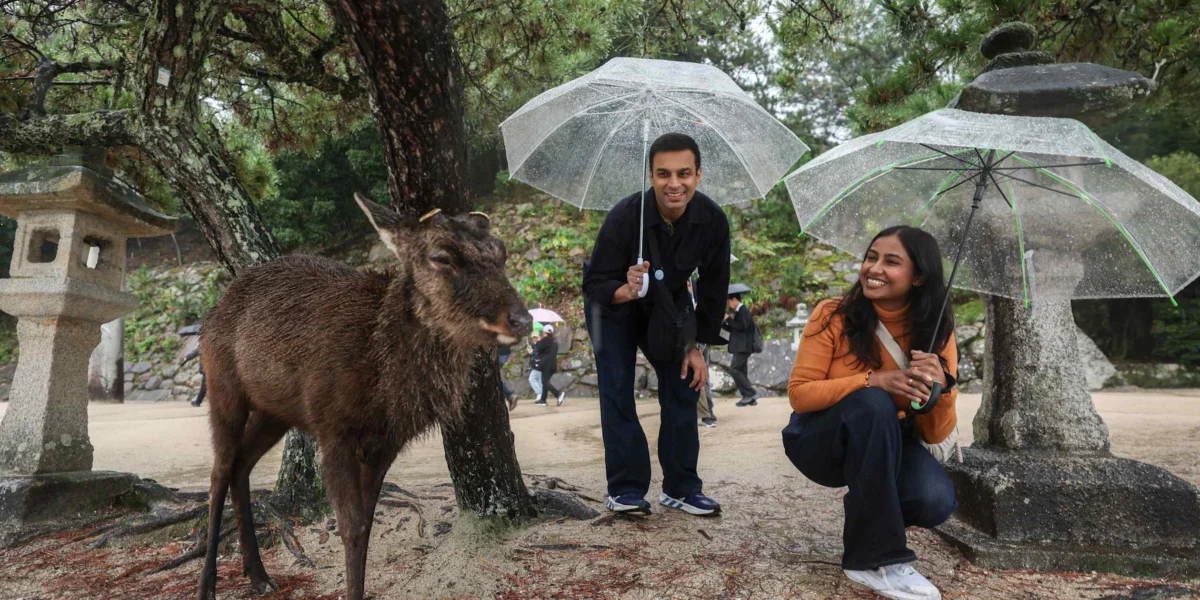
TOKYO/HIROSHIMA, Japan — Japanese hospitality and tourism sectors are witnessing a significant surge in demand from Indian travelers, prompting a strategic expansion of services to cater to their evolving preferences and spending habits. Hotels are increasingly offering specialized meal options, including vegetarian and halal choices, alongside cultural activities and language support, in a proactive response to the rapidly growing visitor numbers and expenditure from India. This trend underscores Japan’s burgeoning appeal as a premier tourist destination for a key demographic in Asia.
The impetus behind this strategic shift is not merely anecdotal; it is backed by robust statistical data highlighting the exponential growth of Indian tourism to Japan. Prior to the global pandemic, Indian tourist arrivals in Japan had been on a steady upward trajectory. In 2019, Japan welcomed approximately 170,000 Indian visitors, a substantial increase from previous years. The impact of COVID-19 understandably led to a significant dip in international travel. However, post-pandemic recovery has been remarkably swift. Preliminary figures for 2023 indicate a strong resurgence, with projections suggesting that Indian tourist numbers could surpass pre-pandemic levels by 2025-2026. This rapid rebound is fueled by a confluence of factors, including Japan’s visa facilitation policies, increased flight connectivity, and a growing awareness of its unique cultural offerings and safety, which resonate strongly with Indian travelers.
The financial contribution of Indian tourists to Japan’s economy is also a critical consideration. On average, Indian visitors tend to have a higher per capita spending rate compared to some other nationalities. This is attributed to a combination of factors, including a strong propensity for shopping for luxury goods, electronics, and traditional crafts, as well as a willingness to invest in unique experiences, such as fine dining and cultural immersions. Data from the Japan National Tourism Organization (JNTO) has consistently shown Indian tourists to be among the highest spenders, further incentivizing the industry to tailor its offerings. For instance, in 2019, the average spending per Indian tourist was reported to be significantly higher than the overall average, a trend that is anticipated to continue and potentially increase as the market matures.
A Timeline of Growing Engagement
The proactive efforts by Japanese businesses to attract Indian tourists are not a sudden development but rather an evolving strategy that has gained momentum over the past decade.
- Early 2010s: Initial efforts focused on basic visa facilitation and some multilingual signage in major tourist hubs. Awareness of India as a source market was nascent.
- Mid-2010s: As Indian outbound tourism began to grow globally, Japanese entities started recognizing the potential. JNTO began targeted marketing campaigns in India, highlighting iconic destinations like Tokyo, Kyoto, and Hokkaido.
- Late 2010s (Pre-Pandemic): The growth in Indian arrivals became more pronounced. This period saw the first significant investments in specialized services. Some hotels in Tokyo and Osaka began experimenting with Indian cuisine options, and travel agencies started curating India-specific tour packages. The introduction of e-visas for short-term stays further boosted accessibility.
- 2020-2022: The COVID-19 pandemic severely disrupted international travel, including the India-Japan tourism corridor. Efforts shifted to maintaining engagement through digital platforms and preparing for the eventual recovery.
- 2023-Present: With the easing of travel restrictions and a strong global rebound in tourism, Japan has seen a dramatic return of Indian visitors. This has accelerated the trend of service expansion, with a more sophisticated approach to catering to the specific needs of Indian travelers, including dietary requirements, religious considerations, and cultural preferences. The current phase is characterized by a deep dive into understanding and serving the nuances of the Indian market.
Tailoring Experiences: Beyond the Basics
The expansion of services goes beyond mere lip service; it involves tangible adjustments designed to enhance the comfort and enjoyment of Indian guests.
Culinary Adaptations: A Gastronomic Welcome
One of the most significant areas of focus is food. Indian cuisine is diverse, with a strong emphasis on vegetarianism and specific dietary laws like halal. Japanese hotels and restaurants are responding by:
- Expanding Vegetarian Options: Beyond standard vegetable stir-fries, establishments are now offering more authentic Indian vegetarian dishes, often collaborating with Indian chefs or sourcing ingredients from Indian suppliers. This includes staples like paneer dishes, lentil preparations (dal), and a variety of vegetable curries.
- Halal Certification and Preparation: Recognizing the growing number of Muslim Indian travelers, hotels are increasingly ensuring halal-certified meat options and implementing strict separation of ingredients and cooking utensils to avoid cross-contamination. Some are even offering dedicated halal kitchens or dining areas.
- Familiar Flavors and Spices: While respecting Japanese culinary traditions, there’s an effort to incorporate familiar Indian spices and flavor profiles, either as part of fusion dishes or as distinct Indian meal choices.
- Breakfast Buffets: The breakfast experience is a crucial touchpoint. Hotels are revamping their breakfast spreads to include Indian staples such as idli, dosa, poha, and parathas, alongside popular continental and Japanese options.
Cultural and Experiential Inclusions
Beyond food, the focus is on creating a more inclusive and enriching travel experience:
- Language Support: While English is increasingly common, some hotels are providing staff who can communicate in Hindi or other Indian languages, or at least offer essential information in Indian languages. This includes signage, menus, and basic concierge services.
- Cultural Sensitivity Training: Staff are undergoing training to understand the cultural nuances and etiquette relevant to Indian guests, ensuring a more welcoming and respectful interaction.
- Activity Customization: Tour operators are designing itineraries that incorporate elements appealing to Indian travelers, such as visits to Bollywood-inspired filming locations (where applicable), engagement with traditional Indian arts and crafts, or arrangements for religious observances. The image of an Indian couple enjoying Miyajima, a popular tourist spot, signifies the broader appeal of Japan’s natural beauty and cultural heritage to diverse visitor groups.
- Connectivity and Communication: Ensuring reliable Wi-Fi access and providing options for local SIM cards or pocket Wi-Fi devices are standard, but special attention is being paid to ensuring seamless communication for travelers who rely heavily on mobile connectivity.
Official Endorsements and Industry Reactions
The proactive measures by the private sector are often supported by government initiatives and industry bodies. The Japan National Tourism Organization (JNTO) has been instrumental in promoting Japan as a destination in India.
- JNTO’s Role: JNTO has been actively participating in Indian travel trade shows, organizing roadshows, and running digital marketing campaigns targeting Indian consumers. Their efforts often highlight Japan’s safety, cleanliness, unique culture, and diverse landscapes, all of which are strong selling points for the Indian market.
- Government Support: The Japanese government, through its Ministry of Foreign Affairs and other relevant agencies, has been working to streamline visa processes for Indian citizens, making travel to Japan more accessible and convenient. The ongoing efforts to increase direct flight connectivity between major Indian cities and Japanese hubs are also crucial.
- Industry Associations: Organizations such as the Japan Association of Travel Agents (JATA) and regional hotel associations are facilitating knowledge sharing and best practices among their members regarding catering to the Indian market. They often collaborate with JNTO on promotional activities.
A representative from a major hotel chain in Tokyo, who preferred to remain anonymous, commented, "We have seen a significant increase in bookings from India, and the feedback has been overwhelmingly positive when we introduce these tailored services. It’s not just about offering different food; it’s about making our guests feel understood and valued. This is a long-term investment in a crucial market."
Similarly, a spokesperson for a prominent travel agency specializing in inbound tourism to Japan stated, "The Indian traveler is discerning and appreciates authenticity. We are working closely with our partners in Japan to ensure that the experiences we offer are not just superficially adapted but are genuinely reflective of Indian preferences while still showcasing the best of Japan. The demand for curated experiences, from traditional tea ceremonies with a vegetarian twist to guided tours of historical sites with insights into Indian connections, is immense."
Broader Impact and Future Implications
The increasing focus on the Indian market has several significant implications for Japan’s tourism industry and its broader economic landscape.
- Economic Diversification: Relying on a diverse range of source markets helps to insulate Japan’s tourism sector from geopolitical shifts or economic downturns in specific regions. The growing Indian segment contributes to this diversification.
- Cultural Exchange and Soft Power: Increased tourism fosters greater understanding and appreciation between Japan and India, two ancient and culturally rich nations. This can lead to enhanced diplomatic ties and increased people-to-people exchanges, bolstering Japan’s soft power.
- Innovation in Hospitality: The demands of the Indian market are pushing Japanese hospitality providers to innovate and adapt, potentially leading to new service models that can be applied to other emerging tourist demographics.
- Regional Development: As Indian tourists explore beyond the major metropolitan areas of Tokyo and Osaka, this can stimulate economic growth in less-visited regions, encouraging the development of new tourism infrastructure and local businesses. For example, the image of the Indian couple on Miyajima, a picturesque island in Hiroshima prefecture, suggests a trend of exploring beyond the conventional tourist trails.
- Competitive Advantage: By proactively catering to the needs of Indian travelers, Japan is positioning itself as a preferred destination in a competitive global tourism market, especially when compared to other Asian destinations that may be slower to adapt.
The strategic expansion of services for Indian tourists represents a forward-thinking approach by Japan’s tourism industry. As visitor numbers and spending continue to grow, this trend is expected to solidify, making Japan an even more attractive and accessible destination for travelers from the subcontinent. The success of these initiatives will not only boost Japan’s economy but also deepen the cultural and social bonds between these two Asian giants. The ongoing evolution of these services will be a key indicator of Japan’s commitment to remaining a top-tier global tourism destination in the years to come.
