

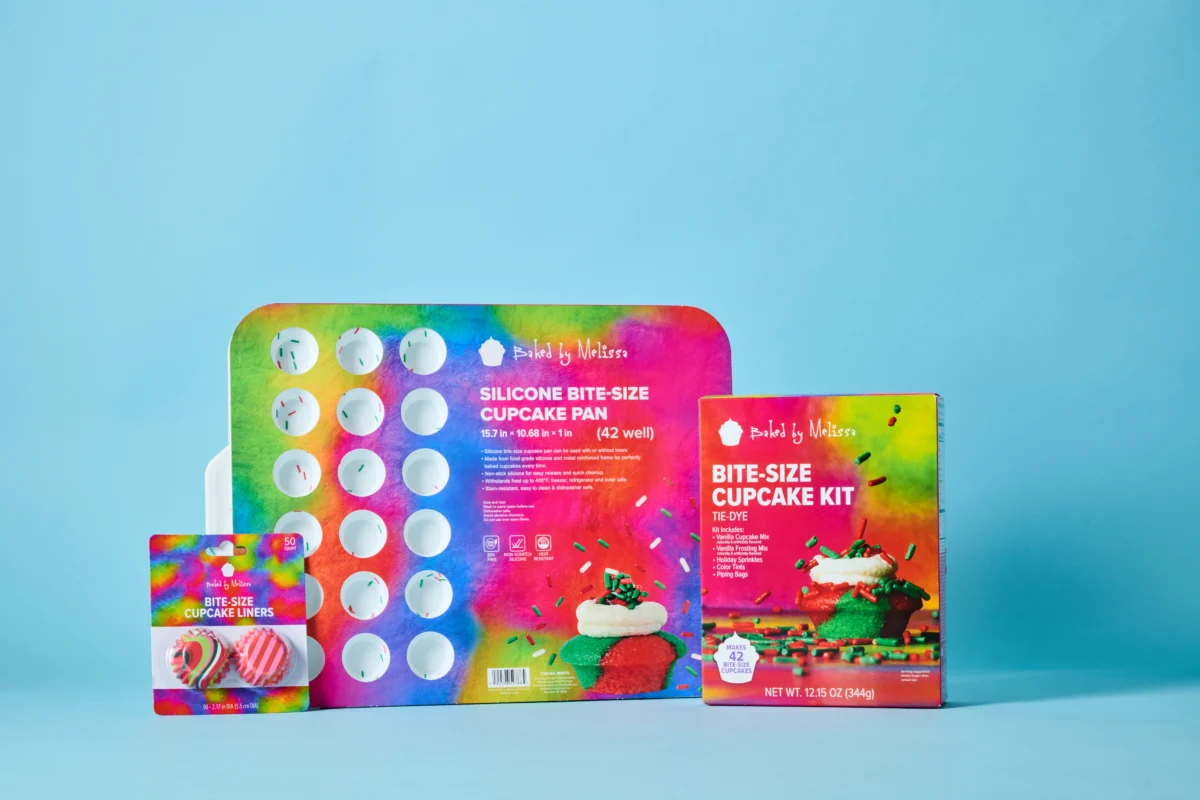
Baked by Melissa, the acclaimed New York-based mini cupcake company, has officially expanded its footprint into the national retail landscape, launching an exclusive line of bite-size cupcake liners, baking pans, and at-home baking kits in Target stores across the United States. This strategic move, which became effective on Sunday, marks a significant foray into the consumer packaged goods (CPG) sector for the popular dessert brand, aiming to capitalize on the crucial holiday shopping season and Target’s extensive customer base.
The new product range, designed to bring the brand’s signature miniature delights into home kitchens, features three distinct cupcake flavors: Christmas Tie-Dye, Marshmallow Hot Cocoa, and Red Velvet. These kits, along with the custom bite-size liners and cupcake pan, are exclusively available at Target, signaling a concerted effort by the retailer to draw shoppers with unique and desirable offerings during a period critical for sales recovery.
A Strategic Retail Partnership Amid Shifting Consumer Habits
This exclusive partnership between Baked by Melissa and Target comes at a time when the retail sector is intensely competitive, and consumer spending habits continue to evolve. For Target, the introduction of a beloved and social media-savvy brand like Baked by Melissa is a calculated play to enhance its appeal, particularly among its core demographic, which often mirrors the brand’s founder, Melissa Ben-Ishay. After a challenging holiday season last year, Target is acutely focused on revitalizing sales and driving foot traffic by offering differentiated products that resonate with its shoppers.
The decision by Baked by Melissa to venture into at-home baking kits is also indicative of a broader trend within the food industry: restaurants and specialty food brands increasingly turning to CPG products to diversify revenue streams and expand brand reach beyond their traditional brick-and-mortar or direct-to-consumer models. This phenomenon, which gained considerable momentum during the pandemic-induced shifts in dining habits, allows brands to tap into the convenience-driven market of home cooks and bakers.
The Growing Trend of Restaurant-to-Retail Expansion
The concept of restaurants leveraging their brand equity for grocery store products is not new, with pioneers like California Pizza Kitchen and TGI Fridays having successfully licensed their names for frozen foods for decades. However, the pace and scope of this trend have accelerated significantly in recent years. More contemporary players, such as coffee giant Dutch Bros and fast-food titan Chick-fil-A, have recently introduced their own branded grocery items, from coffee creamers to sauces, demonstrating the lucrative potential of this market segment.
For smaller, high-profile culinary brands like Momofuku or Carbone, securing shelf space in grocery stores offers a dual advantage. It provides an avenue to extend brand recognition beyond their typically exclusive or geographically limited restaurant locations and makes their acclaimed flavors accessible to a much wider audience at a significantly lower cost than a dining experience. This democratization of gourmet food allows consumers to engage with premium brands in a more casual, everyday setting, fostering loyalty and broader appeal.
The global market for baking ingredients and mixes, which includes cupcake kits, has seen consistent growth, driven by an increased interest in home baking, particularly following the COVID-19 lockdowns. Industry reports suggest that the market size for baking mixes is projected to reach substantial figures, with a compound annual growth rate (CAGR) indicating steady expansion over the next several years. This growth is fueled by factors such as convenience, the desire for homemade treats, and the rising popularity of baking as a leisure activity, making it an opportune moment for Baked by Melissa to enter this space.
From Social Media Star to Shelf Space: Melissa Ben-Ishay’s Vision
Baked by Melissa, founded by Melissa Ben-Ishay in 2008, initially carved out a niche with its vibrant, bite-size cupcakes from its nine permanent locations primarily in the New York area. The brand quickly gained a loyal following, which was further amplified by its robust online presence and nationwide shipping capabilities. However, it was Ben-Ishay’s personal social media stardom that truly propelled the brand into the national consciousness.
With over 2.8 million followers on TikTok, the Baked by Melissa account has become a hub for engaging content, most notably Ben-Ishay’s popular recipe videos, such as her viral Green Goddess salad dressing. This digital influence has not only boosted brand awareness but has also led to high-profile collaborations with major brands like Ferrero and Wonder, showcasing the power of authentic social media engagement in today’s consumer landscape.
The idea of developing at-home baking products had been a long-standing discussion within Baked by Melissa. However, the decisive moment arrived just a year ago, during a personal trip to Target with her two children. As Ben-Ishay recounted to CNBC, a stroll through the baking aisle sparked a clear realization: Baked by Melissa "should be here." This personal connection to the retail experience, shared by countless mothers and shoppers, underscored the brand’s potential to resonate with Target’s demographic. Ben-Ishay, who openly expresses her enjoyment of baking with cake mixes, emphasized her belief in the quality and appeal of such products, stating, "I love baking cake mix. I truly do. And, quite frankly, sometimes I just think it tastes better."
The Journey from Concept to Consumer
While Baked by Melissa is known for its agility and rapid product development—for instance, creating New York Knicks-branded minicupcakes within days of the team winning the NBA championship—the journey into retail proved to be a more deliberate and intricate process. Ben-Ishay noted the significant difference in pace, highlighting "a lot of waiting and approvals and new partners" involved in navigating the complexities of retail product development and distribution. This 12-month period of meticulous planning, negotiation, and production culminated in the timely arrival of the cupcake mixes on Target shelves, perfectly aligned with the onset of the critical holiday shopping season.
Implications for Target and Baked by Melissa
For Target, this exclusive partnership represents more than just adding a new product line. It is a strategic effort to differentiate its offerings and reinforce its image as a destination for unique, quality, and trend-forward brands. By partnering with a brand that has a strong social media presence and a loyal following, Target aims to attract shoppers who are actively seeking out innovative and exciting products, thereby enhancing its overall appeal and potentially boosting basket sizes. The focus on the holiday season underscores the retailer’s urgency to reverse previous sales trends and capitalize on increased consumer spending during this peak period. A Target spokesperson, while not explicitly quoted in the original article, would likely emphasize the retailer’s commitment to providing exclusive, high-quality products that meet the evolving needs and desires of its guests, particularly during the festive season.
For Baked by Melissa, the implications are equally transformative. This launch propels the brand from a regional favorite and direct-to-consumer online success into a national retail powerhouse. It significantly expands its brand reach, introducing its unique bite-size concept to millions of new potential customers who might not have previously encountered its products. This diversification into CPG provides a new, scalable revenue stream that is less dependent on physical store locations or online shipping logistics, offering a buffer against economic fluctuations. Moreover, the visibility gained from national distribution at Target can further amplify Ben-Ishay’s social media influence, creating a powerful feedback loop between digital engagement and brick-and-mortar sales. Industry analysts would likely view this move as a shrewd expansion strategy, leveraging brand recognition and social media capital to penetrate a lucrative market segment.
Broader Market Impact
The collaboration between Baked by Melissa and Target serves as a compelling case study in modern retail and brand strategy. It underscores the increasing importance of unique product assortments and exclusive partnerships in a competitive market. It also highlights the growing influence of direct-to-consumer brands and social media personalities in shaping consumer preferences and driving purchasing decisions in traditional retail environments.
From a consumer perspective, this partnership means greater accessibility to premium, specialty items. Shoppers nationwide can now easily replicate the Baked by Melissa experience in their own homes, offering both convenience and a touch of gourmet baking. This trend is likely to continue, with more niche brands finding pathways to national distribution through strategic retail alliances, ultimately enriching the diversity and quality of products available on grocery shelves.
In conclusion, Baked by Melissa’s exclusive launch at Target is a multifaceted development with significant implications for both companies and the broader retail and food industries. It represents a savvy move by a beloved brand to scale its operations, a strategic initiative by a major retailer to captivate shoppers, and a testament to the evolving dynamics of consumer behavior and brand expansion in the digital age. As the holiday season unfolds, the performance of these bite-size baking kits will offer valuable insights into the future of brand partnerships and the enduring appeal of accessible gourmet experiences.
