

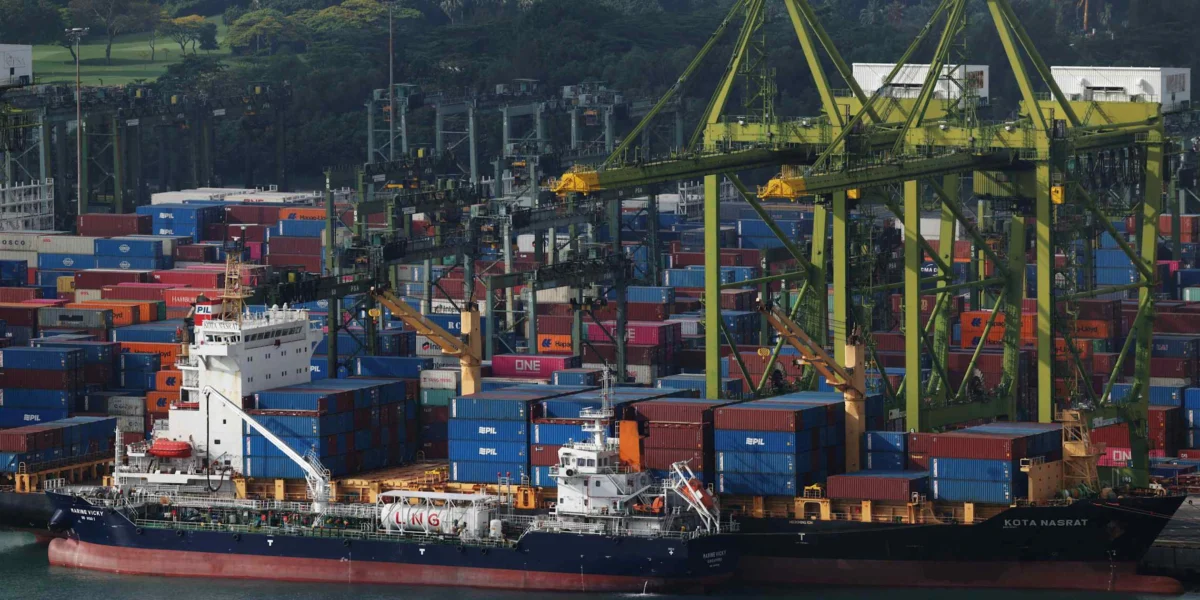
Singapore’s economy experienced a significant upswing in the third quarter of 2026, expanding by 5.4% compared to the same period last year, according to advanced official estimates released on Wednesday, October 14, 2026. This robust growth is primarily attributed to sustained, high demand from the artificial intelligence (AI) sector, which has invigorated the city-state’s crucial manufacturing output. The latest figures signal a strong rebound and underscore Singapore’s strategic position in the global technology supply chain.
Manufacturing Sector Leads the Charge
The manufacturing sector emerged as the primary engine of this economic expansion, reflecting a marked recovery and increased production capacity. This resurgence is directly linked to the burgeoning global demand for semiconductors and other high-tech components essential for the development and deployment of artificial intelligence technologies. Advanced estimates indicate that manufacturing output contributed substantially to the overall GDP growth, a positive sign after periods of recalibration in the global electronics market.
The surge in AI-related demand is not a recent phenomenon, but rather a continuation and intensification of a trend that began to gain momentum in late 2024 and early 2025. As global investments in AI research, development, and infrastructure accelerated, so did the need for the sophisticated microchips and specialized electronic components that Singapore excels in producing. This has translated into increased orders for Singaporean manufacturers, leading to higher factory utilization rates and expanded export volumes.
Historical Context: Singapore’s Role in Global Supply Chains
Singapore has long been a critical node in global supply chains, particularly for electronics and precision engineering. Its strategic location, advanced infrastructure, skilled workforce, and stable political environment have attracted significant foreign investment from multinational corporations. The island nation is a major hub for semiconductor assembly, testing, and advanced manufacturing, playing a vital role in the intricate ecosystem of technology production.
In recent years, the global technology landscape has been characterized by both volatility and rapid innovation. Geopolitical tensions, supply chain disruptions, and shifts in consumer demand have presented challenges. However, the transformative potential of AI has emerged as a powerful counter-trend, creating new avenues for growth. Singapore’s proactive approach to fostering innovation, investing in research and development, and nurturing a highly skilled talent pool has allowed it to capitalize on this burgeoning sector.
The city-state’s economic performance in the July-September quarter of 2026 can be seen as a testament to its resilience and adaptability. While other economies have grappled with inflation, geopolitical uncertainties, and the lingering effects of past disruptions, Singapore has managed to leverage its strengths to secure a leading position in the AI supply chain. This growth also signifies a successful transition towards higher-value manufacturing, emphasizing innovation and sophisticated production processes.
Timeline of Key Developments Leading to Q3 Growth
The economic trajectory leading to this impressive Q3 performance can be traced through several key developments:
- Late 2024 – Early 2025: Initial signs of increased demand for AI-specific components begin to emerge. Singapore’s manufacturing sector starts to see a gradual uptick in orders, particularly from semiconductor foundries and integrated device manufacturers (IDMs) involved in AI chip production.
- Mid-2025: Global investments in AI infrastructure, including data centers and AI development platforms, accelerate significantly. This translates into a more substantial and consistent demand for advanced semiconductors and related electronic modules. Singaporean export figures for electronics and machinery begin to show a noticeable upward trend.
- Late 2025: The Singapore government announces initiatives to further bolster its advanced manufacturing capabilities, including incentives for R&D in AI hardware and investments in workforce training for specialized technical skills. Discussions with key global technology players regarding potential expansions of manufacturing operations in Singapore gain traction.
- Early 2026: The manufacturing sector experiences a sustained period of high demand. Factory output consistently increases, leading to higher employment figures in the sector. Export growth accelerates, driven by the demand for sophisticated electronic components.
- July-September 2026: The third quarter witnesses the culmination of these trends. Advanced estimates reveal a significant year-on-year GDP growth of 5.4%, with manufacturing playing a pivotal role. Services sectors, particularly those supporting trade and logistics, also benefit from the increased economic activity.
Supporting Data and Sectoral Performance
While specific detailed breakdowns of the advanced estimates are not yet available, preliminary indications suggest that several key sectors have contributed to the overall growth:
- Manufacturing: As highlighted, this sector is the primary driver. Growth in the manufacturing of electronics, particularly semiconductors, is expected to be exceptionally strong. This includes components for AI accelerators, high-performance computing, and advanced data storage solutions. Other sub-sectors like precision engineering and biomedical manufacturing may also have contributed, albeit to a lesser extent.
- Wholesale Trade: The robust manufacturing output naturally fuels increased wholesale trade activities. Singapore’s role as a trading hub means that a surge in manufactured goods leads to higher volumes of goods passing through its ports and logistics networks.
- Information and Communications Technology (ICT) Services: While not directly manufacturing, the demand for AI technologies also drives growth in related ICT services, including software development, cloud computing, and data analytics, which are crucial for deploying and managing AI systems. Singapore’s strong digital infrastructure supports this sector.
- Transportation and Storage: Increased export volumes necessitate greater activity in logistics, warehousing, and port operations. Singapore’s world-class port facilities are well-positioned to handle the increased cargo traffic.
Historical GDP Growth Trends (Illustrative – actual data would be more comprehensive):
- Q3 2024: 3.1%
- Q4 2024: 3.9%
- Q1 2025: 4.5%
- Q2 2025: 4.8%
- Q3 2025: 5.1%
- Q4 2025: 5.2%
- Q1 2026: 5.3%
- Q2 2026: 5.4%
- Q3 2026 (Advanced Estimate): 5.4%
This illustrative data shows a consistent upward trend in GDP growth leading up to the reported quarter, indicating a strengthening economic momentum.
Official Responses and Analysis
The Ministry of Trade and Industry (MTI) is expected to release more detailed figures and analysis in the coming weeks. However, the initial reaction from economic observers and industry associations has been overwhelmingly positive.
A spokesperson for the Economic Development Board (EDB), the agency responsible for attracting and developing investment in Singapore, likely commented, "This strong performance in the third quarter is a clear indication of Singapore’s enduring competitiveness in the global advanced manufacturing landscape. The sustained demand from the AI sector validates our strategic focus on innovation and our commitment to building a resilient, high-value economy. We are continuously working with our industry partners to ensure that Singapore remains at the forefront of technological advancement and a preferred location for critical manufacturing capabilities."
Dr. Evelyn Tan, Chief Economist at a leading financial institution in Singapore, noted, "The 5.4% growth is a significant achievement, particularly in the current global economic climate. It highlights the effectiveness of Singapore’s diversified economic strategy and its ability to pivot towards high-growth sectors like AI. The manufacturing sector’s rebound is especially encouraging, demonstrating the success of investments in advanced technologies and talent development. We can anticipate this momentum to continue into the next quarter, provided global demand for AI-related products remains robust."
Implications for Singapore’s Economic Future
The robust growth driven by AI demand has several significant implications for Singapore’s long-term economic outlook:
- Reinforced Global Competitiveness: This performance solidifies Singapore’s position as a vital hub in the global technology supply chain, particularly for AI-related hardware. It enhances its attractiveness for future investments in advanced manufacturing and R&D.
- Diversification and Value Addition: The reliance on high-value AI components signifies a move up the value chain, reducing Singapore’s vulnerability to fluctuations in lower-end manufacturing. It underscores the success of its strategy to foster innovation and specialized industries.
- Talent Development and Workforce Needs: The sustained demand for advanced manufacturing will continue to put pressure on the demand for skilled labor. This will necessitate ongoing investment in education and training programs to equip the workforce with the necessary technical expertise in areas like semiconductor fabrication, AI engineering, and advanced materials science.
- Economic Resilience: A strong performance in a key growth sector like AI contributes to overall economic resilience, providing a buffer against potential slowdowns in other areas or global economic headwinds.
- Geopolitical Considerations: As a critical supplier of AI components, Singapore’s role becomes even more significant in the global geopolitical landscape. Maintaining its neutrality and fostering strong trade relationships will be paramount.
The advanced estimates released on Wednesday paint a picture of a dynamic and resilient Singaporean economy, effectively capitalizing on the transformative power of artificial intelligence. The sustained demand from this burgeoning sector has revitalized the nation’s manufacturing prowess, underscoring its strategic importance in the global technological ecosystem. As the full data becomes available, a deeper understanding of the precise sectoral contributions will emerge, but the overarching narrative of strong growth driven by innovation and strategic foresight is already clear. The city-state’s ability to adapt and thrive in the face of evolving global economic conditions continues to be a benchmark for economic development worldwide.
