

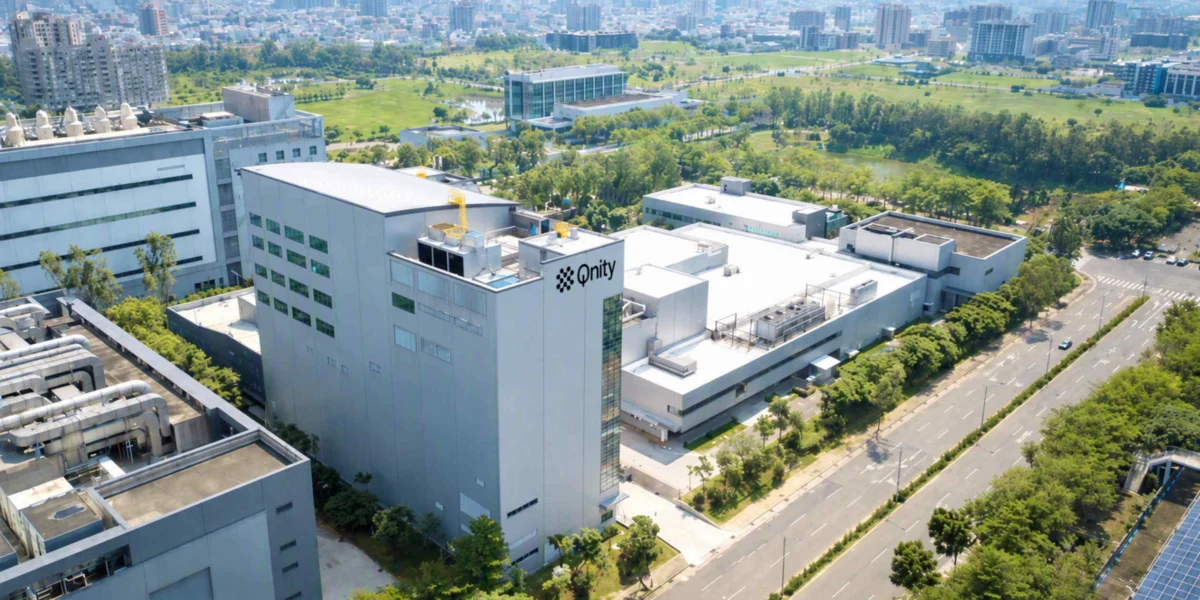
TAIPEI — The chief executive officer of Qnity, a prominent global supplier of essential chemicals and materials for the semiconductor industry, has articulated a strategic imperative for the company’s expansion: a robust "local-for-local" approach. This strategy entails sourcing over 70% of raw materials within the immediate geographical regions where Qnity operates, a move designed to bolster resilience and responsiveness as global chip manufacturers actively reconfigure and shorten their intricate supply chains. This directive comes at a critical juncture, as the semiconductor sector grapples with persistent geopolitical tensions, the lingering effects of pandemic-induced disruptions, and an accelerating demand for localized production capabilities.
The Shifting Sands of Semiconductor Supply Chains
The semiconductor industry, the bedrock of modern technology, has for decades operated on a highly globalized and specialized supply chain. This intricate network, characterized by the geographical concentration of specific manufacturing processes and material suppliers, has historically delivered efficiency and cost advantages. However, recent years have exposed the inherent vulnerabilities of this model. The COVID-19 pandemic, which began in late 2019 and significantly impacted global logistics throughout 2020 and 2021, highlighted the fragility of long supply lines. Factory shutdowns, port congestion, and shipping container shortages led to unprecedented lead times and a global chip shortage that crippled numerous industries, from automotive to consumer electronics.
Beyond the pandemic, escalating geopolitical tensions, particularly between major economic blocs like the United States and China, have introduced a new layer of uncertainty. Concerns over intellectual property, national security, and the potential for trade restrictions have prompted governments worldwide to prioritize the reshoring or "friend-shoring" of critical industries, with semiconductors at the forefront. This has led to substantial government incentives and legislative efforts, such as the US CHIPS and Science Act and similar initiatives in Europe and Asia, aimed at stimulating domestic chip production and the associated supply chain infrastructure.
In this dynamic environment, chipmakers are actively seeking to de-risk their operations by diversifying manufacturing locations and, crucially, by securing more localized and reliable sources for the myriad of specialized materials and chemicals required in their wafer fabrication plants (fabs). This is where companies like Qnity, with their deep integration into the semiconductor manufacturing process, find themselves at a pivotal moment.
Qnity’s "Local-for-Local" Doctrine: A Strategic Pivot
Qnity’s CEO’s pronouncement underscores a fundamental shift in how the company views its role and operational footprint. The "local-for-local" strategy is not merely an opportunistic adjustment but a deeply embedded operational philosophy designed to align with the evolving demands of its clientele. For Qnity, this means establishing and strengthening manufacturing facilities, research and development centers, and crucially, raw material procurement networks in close proximity to its major semiconductor manufacturing customers.
The target of sourcing over 70% of raw materials within each operating region is ambitious and signifies a commitment to building truly localized supply ecosystems. This not only reduces reliance on long-distance transportation but also mitigates the risks associated with single-source dependencies, geopolitical disruptions, and currency fluctuations. By decentralizing its sourcing and production, Qnity aims to offer chipmakers greater flexibility, faster delivery times, and enhanced supply chain security.
Implications for Qnity’s Operations and Market Position
This strategic realignment has several profound implications for Qnity and its position within the semiconductor materials market.
Enhanced Supply Chain Resilience: By decentralizing its operations and sourcing, Qnity significantly reduces its vulnerability to disruptions in any single geographical area. This allows it to maintain production and delivery even when faced with localized challenges, a critical differentiator for an industry where downtime can be astronomically expensive.
Improved Lead Times and Responsiveness: Proximity to customers means shorter lead times for material delivery. This is crucial for chipmakers who operate on tight production schedules and require a consistent and timely supply of high-purity chemicals and materials for their complex manufacturing processes. It also allows for quicker feedback loops and faster adaptation to changing customer needs or product specifications.
Strengthened Customer Relationships: A "local-for-local" approach fosters deeper partnerships with customers. By investing in their regions and demonstrating a commitment to their local supply chains, Qnity can build trust and become a more indispensable partner. This can translate into longer-term contracts, collaborative innovation, and preferential treatment during periods of high demand.
Navigating Regulatory and Incentive Landscapes: The global push for localized manufacturing has been accompanied by significant government incentives and regulatory frameworks. By establishing local operations and supply chains, Qnity can more effectively leverage these incentives, potentially reducing operational costs and gaining a competitive edge. Furthermore, it can better navigate the complex web of trade regulations and national security concerns that are increasingly shaping the industry.
Investment in Local Expertise and Infrastructure: Implementing a "local-for-local" strategy necessitates substantial investment in local manufacturing capabilities, R&D facilities, and the development of a skilled workforce. This will require Qnity to identify strategic locations, secure land, build state-of-the-art plants, and invest in training and development programs to cultivate local talent.
A Chronology of Supply Chain Realignment
The current emphasis on localized supply chains for semiconductors is not an overnight phenomenon. It represents an evolution driven by a series of interconnected events and strategic shifts over the past decade:
- Early 2010s: Globalization and cost optimization were paramount. Semiconductor supply chains were highly specialized and geographically dispersed, with significant concentrations in East Asia.
- Mid-2010s: Emerging geopolitical tensions and concerns over intellectual property began to spark discussions about supply chain diversification, though significant shifts were slow to materialize.
- Late 2019 – Early 2020: The onset of the COVID-19 pandemic and its immediate impact on global logistics brought the vulnerabilities of long supply chains into sharp relief. Disruptions led to shortages and heightened awareness of supply chain fragility.
- 2020-2022: The global semiconductor shortage became acute, affecting virtually every industry. This period catalyzed significant government intervention and policy changes aimed at boosting domestic chip production.
- 2021 onwards: Major economies, including the US, EU, Japan, and South Korea, announced ambitious plans and substantial funding to onshore or "friend-shore" semiconductor manufacturing and its critical supply chains.
- 2023-2026 (Projected): This period is characterized by the active implementation of these policies. Governments are actively attracting investment, building new fabs, and encouraging the development of local material suppliers. Companies like Qnity are responding to this environment by proactively realigning their strategies.
Qnity’s "local-for-local" strategy is a direct response to this ongoing global trend, accelerating its adoption of a model that aligns with the future direction of the semiconductor industry.
Supporting Data and Industry Trends
The semiconductor materials market is a critical segment within the broader semiconductor industry, estimated to be worth tens of billions of dollars annually. The demand for high-purity chemicals, specialized gases, photoresists, CMP slurries, and other advanced materials is directly tied to the growth and technological advancement of chip manufacturing.
Several key data points illustrate the trends underpinning Qnity’s strategy:
- Increasing Fab Investments: Global investment in new semiconductor fabrication plants (fabs) is projected to reach hundreds of billions of dollars over the next decade. Major expansions are underway or planned in the US, Europe, Japan, and Taiwan, creating demand for localized material suppliers.
- Government Subsidies: The US CHIPS Act alone allocates over $52 billion for semiconductor manufacturing and R&D. Similar substantial financial commitments exist in other regions, signaling a strong governmental push for domestic production.
- Diversification of Sourcing: Market research indicates a growing preference among chipmakers for suppliers with diversified sourcing strategies and the ability to deliver locally. A recent industry survey showed that over 60% of semiconductor manufacturers consider supply chain resilience a top priority when selecting material vendors.
- Growth in Specialty Chemicals: The market for specialty chemicals used in semiconductor manufacturing is expected to grow at a compound annual growth rate (CAGR) of over 5-7% in the coming years, driven by advancements in chip design and manufacturing processes, such as advanced lithography and heterogeneous integration.
These trends suggest that Qnity’s proactive approach to localizing its operations and sourcing is well-aligned with market dynamics and customer expectations.
Broader Impact and Implications for the Global Economy
The strategic decisions of major players like Qnity have far-reaching implications beyond the immediate confines of the semiconductor industry.
Economic Development: The establishment of local manufacturing facilities and supply chains by multinational corporations can lead to significant job creation, technology transfer, and the development of local industrial ecosystems in the regions where they invest. This can spur economic growth and elevate the technological capabilities of these areas.
Geopolitical Stability: By reducing reliance on single geographical hubs for critical components, the semiconductor industry’s move towards more localized supply chains can contribute to greater geopolitical stability. It lessens the leverage of any single nation or region and diversifies the global production base, making it less susceptible to targeted disruptions.
Technological Innovation: The emphasis on local R&D and collaboration with regional academic institutions and research centers can foster localized innovation and the development of next-generation semiconductor materials and manufacturing techniques tailored to specific regional needs or advancements.
Cost and Pricing Dynamics: While the initial investment in localized production can be substantial, over the long term, it may lead to more stable pricing by reducing transportation costs and mitigating currency exchange rate risks. However, the initial phase might see higher costs as companies scale up local operations.
In conclusion, Qnity’s embrace of a "local-for-local" strategy is a prescient adaptation to the evolving landscape of the global semiconductor industry. By prioritizing regional sourcing and manufacturing, the company is not only enhancing its own resilience and competitiveness but also contributing to a broader trend of supply chain rebalancing that promises to reshape the future of technology manufacturing and its impact on the global economy. The success of this strategy will hinge on Qnity’s ability to execute effectively on its ambitious sourcing targets and to forge strong, localized partnerships in the dynamic markets it serves.
