

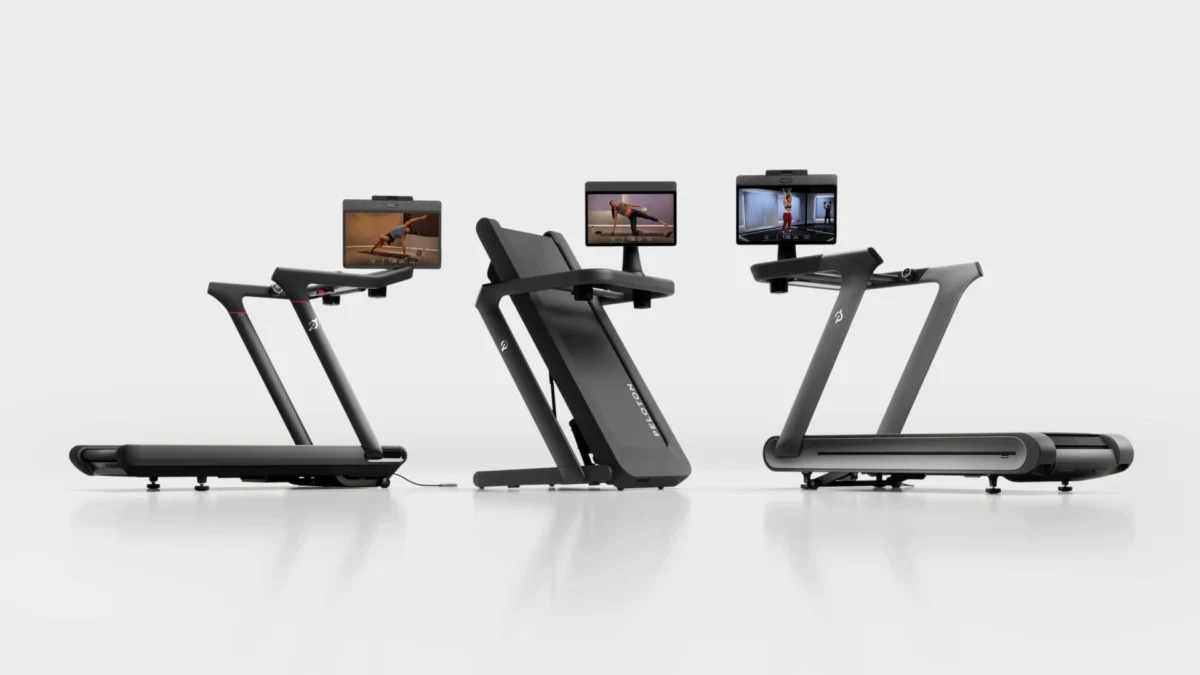
Peloton, the once-darling of the connected fitness world, is embarking on a pivotal strategic overhaul, betting on a revitalized treadmill lineup, advanced artificial intelligence, and expanded distribution channels to reverse its fortunes and achieve sustained growth. The company on Tuesday unveiled three new treadmills and significantly enhanced features for its Peloton IQ artificial intelligence platform, specifically tailored for runners, walkers, and hikers. This multi-pronged approach, championed by CEO Peter Stern, aims to broaden Peloton’s appeal, reaching consumers across a wider spectrum of price points and fitness aspirations, from budget-conscious individuals seeking space-saving solutions to elite athletes demanding personalized, data-driven coaching.
The announcement comes at a critical juncture for the company. While Peloton has diligently worked to stabilize its financial health, returning to profitability and improving cash generation after a tumultuous post-pandemic slowdown, revenue growth and subscriber acquisition remain formidable challenges. Since Peter Stern assumed the CEO role in January 2025, Peloton’s shares have witnessed a significant decline, dropping 43%, underscoring the urgency of the current strategic pivot. The market is closely watching whether these bold initiatives can fundamentally alter Peloton’s growth trajectory and rekindle investor confidence.
A Revamped Treadmill Portfolio to Widen Appeal
Central to Peloton’s new strategy is a comprehensive reimagining of its treadmill offerings, directly addressing long-standing consumer barriers related to cost and spatial footprint. The new lineup introduces a tiered pricing structure designed to cater to a broader market segment.
Leading the charge for accessibility is the Tread Flex, priced at $2,195. This model marks Peloton’s entry into the folding treadmill market, a crucial innovation for urban dwellers and those with limited living space. Its ability to contract by nearly half its size is expected to significantly broaden its appeal among consumers who previously shied away from Peloton’s larger, non-folding equipment due to spatial constraints or lower equipment budgets. This move directly counters a common criticism leveled against high-end home fitness equipment: its imposing presence in a home environment.
At the mid-range, the Tread Vision sees a price increase of $200, bringing it to $3,495. This model, positioned for serious enthusiasts, continues to offer a blend of robust performance and advanced features. Maintaining its premium stature, the Tread+ Vision remains at its $6,695 price point. This top-tier model integrates cutting-edge movement-tracking cameras that provide real-time insights into a user’s running form, a feature typically found in high-performance athletic labs. The Tread+ Vision also introduces "Sled Mode," allowing users to add up to 300 pounds of resistance for strength training. This innovation is a direct response to the burgeoning popularity of hybrid fitness competitions like Hyrox, which combine running with functional strength exercises, indicating Peloton’s intent to capture a share of this growing, dedicated athletic market.
"From record marathon turnouts around the world to the rise of local run clubs, we’re rediscovering the joy of running, walking and hiking," stated CEO Peter Stern in a press release. He further emphasized, "Expanding our treadmill portfolio and launching AI-powered software for runners will allow us to connect with a much wider audience." This sentiment highlights Peloton’s ambition to tap into the broader "running boom" and position itself as a comprehensive training partner for all levels of athletes.
Peloton IQ: The Dawn of AI-Powered Personal Coaching
Beyond hardware, the cornerstone of Peloton’s future growth strategy lies in the evolution of its artificial intelligence platform, Peloton IQ. Launched last year as an AI-powered software system for personalized recommendations, Peloton is now significantly expanding its capabilities with features specifically designed to revolutionize the running experience.
The marquee feature, Run Analysis, leverages live video feedback to score running efficiency and provide personalized guidance on pace, form, and heart rate. This sophisticated system aims to replicate the individualized attention and expert feedback traditionally associated with an in-person running coach, making elite-level training accessible within the home. By analyzing a user’s stride, foot strike, and posture in real-time, Run Analysis offers actionable insights that can help prevent injuries, improve performance, and enhance the overall running experience.
This strategic enhancement signifies a crucial shift in Peloton’s value proposition. The company is moving beyond merely providing engaging content and connected equipment; it is transforming into an intelligent, adaptive training system. Chief Product Officer Nick Caldwell articulated this vision, stating, "The Peloton advantage has always been the sum of its parts. It’s about the instructors and content you love, the software that simplifies wellness and equipment that fits seamlessly into your life and transforms your routine." This integrated approach seeks to create a more sticky and indispensable ecosystem for users, where hardware, software, and human-led content coalesce into a singular, powerful training tool.
Peloton’s Journey: Navigating the Peaks and Troughs of Connected Fitness
To fully appreciate the significance of Peloton’s current pivot, it is essential to contextualize its journey over the past few years. The company experienced an unprecedented surge in demand during the initial phases of the COVID-19 pandemic. As gyms closed and outdoor activities were restricted, Peloton’s connected bikes and treadmills became symbols of at-home fitness, leading to explosive subscriber growth, soaring revenues, and a peak market capitalization exceeding $50 billion. The brand cultivated a devoted community, known for its charismatic instructors and immersive classes, solidifying its position as a cultural phenomenon.

However, the pandemic-era boom proved unsustainable. As lockdowns eased and traditional gyms reopened, demand for at-home fitness equipment sharply decelerated. Peloton faced a perfect storm of challenges: inflated inventory, supply chain disruptions, logistical hurdles, and significant operational costs. Compounding these issues were safety concerns surrounding its Tread+ treadmill, which led to a costly recall in 2021 and significant reputational damage. The company’s stock plummeted, wiping out billions in shareholder value.
The period following the initial boom was marked by intense restructuring and leadership changes. Co-founder and CEO John Foley stepped down in February 2022, replaced by former Spotify CFO Barry McCarthy, who initiated aggressive cost-cutting measures, including significant layoffs, outsourcing manufacturing, and a shift towards third-party retail partnerships. These efforts were largely focused on repairing the balance sheet and achieving financial stability. Indeed, the company has since returned to profitability and demonstrated improved cash generation, a testament to McCarthy’s disciplined financial management.
However, despite these operational improvements, the challenge of reigniting top-line revenue growth and reversing the trend of declining subscriptions remained. Peter Stern, who assumed the CEO role in January 2025, inherited a company that was financially healthier but still struggling to articulate a clear path to renewed market expansion. His mandate is not just to maintain financial discipline but to innovate and diversify Peloton’s offerings to capture new market segments and re-establish a compelling growth narrative. The current treadmill relaunch and AI expansion represent the boldest manifestation of Stern’s vision to date.
Expanding Ecosystem and Diversified Distribution Channels
Peloton’s strategy for sustained growth extends beyond its core hardware and software innovations. The company is actively building a broader fitness ecosystem and exploring new distribution avenues to reach a wider audience and reduce its reliance on direct-to-consumer equipment sales.
A key aspect of this expansion is enhanced integration with popular third-party fitness platforms. Peloton already seamlessly integrates with Apple Health, Fitbit, and Garmin Connect, allowing users to sync their workout data across various devices and apps. Building on this, the company is now adding Whoop integration, enabling members to connect their accounts and have Peloton workouts contribute to personalized insights within the Whoop app. This move positions Peloton as a more open and collaborative player in the broader health and wellness tech landscape, appealing to users who rely on multiple devices for comprehensive health tracking.
Furthermore, Peloton is strategically broadening its content distribution. The company recently announced a partnership with Spotify, making over 1,400 Peloton strength and wellness classes accessible to Spotify Premium subscribers. This collaboration is significant as it exposes Peloton’s high-quality content to a massive, engaged audience outside of its existing hardware ecosystem, potentially serving as a funnel for new subscribers and brand evangelists. It marks a clear intent to become a content provider beyond its proprietary platform.
In parallel, Peloton is aggressively building out a commercial fitness business. Recognizing the demand for durable, high-quality fitness equipment in institutional settings, the company is developing specialized versions of its bikes and treads for hotels, apartment buildings, corporate gyms, and other high-use environments. This B2B segment represents a new, potentially stable revenue stream that diversifies Peloton’s business model and leverages its brand reputation for premium fitness experiences.
Finally, Peloton is leaning heavily into the aforementioned "running boom" by significantly expanding its content library. The platform now offers over 17,000 Tread-specific classes, ranging from guided runs to bootcamps. Crucially, it is also introducing comprehensive race-training programs designed to guide members through full training cycles for major events like the New York City Marathon. This caters directly to the growing community of amateur and semi-professional runners, offering them a structured, expert-led training regimen from the convenience of their homes.
Market Dynamics and Investor Outlook
The connected fitness market remains highly competitive and dynamic. Peloton’s new strategy positions it to compete more effectively against traditional gym memberships, a plethora of other connected fitness brands (such. as NordicTrack, Tonal, Hydrow), and wearable technology companies like Garmin and Apple Watch. The challenge lies not only in attracting new customers but also in retaining existing ones and demonstrating the unique value proposition of its integrated hardware, software, and content ecosystem. The company specifically aims to attract "experienced and affluent athletes" who might already be using high-end wearables and seeking advanced training solutions.
For investors, the central question is whether these ambitious product launches and strategic pivots can genuinely alter Peloton’s growth trajectory and boost its subscriber base. Truist analyst Youssef Squali, while maintaining a "buy" rating on the stock and a $9 price target (compared to its Monday closing price of $4.95 a share), offered a cautious near-term outlook. Squali told CNBC in a statement that the firm expects "revenue to remain pretty muted given continuous headwinds to subscriber growth." However, he expressed optimism for the next calendar year, anticipating improvements for Peloton as its hardware and software advancements take hold and the company refinances its debt. Debt refinancing, typically involving replacing existing debt with new debt under more favorable terms, could reduce interest expenses and improve the company’s financial flexibility, potentially freeing up capital for further investment in growth initiatives.
The holiday season following these announcements will serve as an early and crucial test of Peloton’s revamped strategy. Consumer reception to the new treadmills, particularly the more affordable and space-saving Tread Flex, will provide vital insights into the market’s willingness to embrace Peloton’s expanded vision. The success of Peloton IQ’s AI-powered coaching features in enhancing user engagement and driving retention will also be closely scrutinized.
After years of intense focus on cost cutting and financial stabilization, Peloton is now attempting to convince both consumers and investors that it has rediscovered its innovation engine and possesses a viable path to sustainable business growth. The company’s high-stakes gamble on a diversified product portfolio, intelligent AI, and broadened distribution channels represents a pivotal moment in its ongoing quest to reclaim its position as a leader in the evolving world of connected fitness.
