

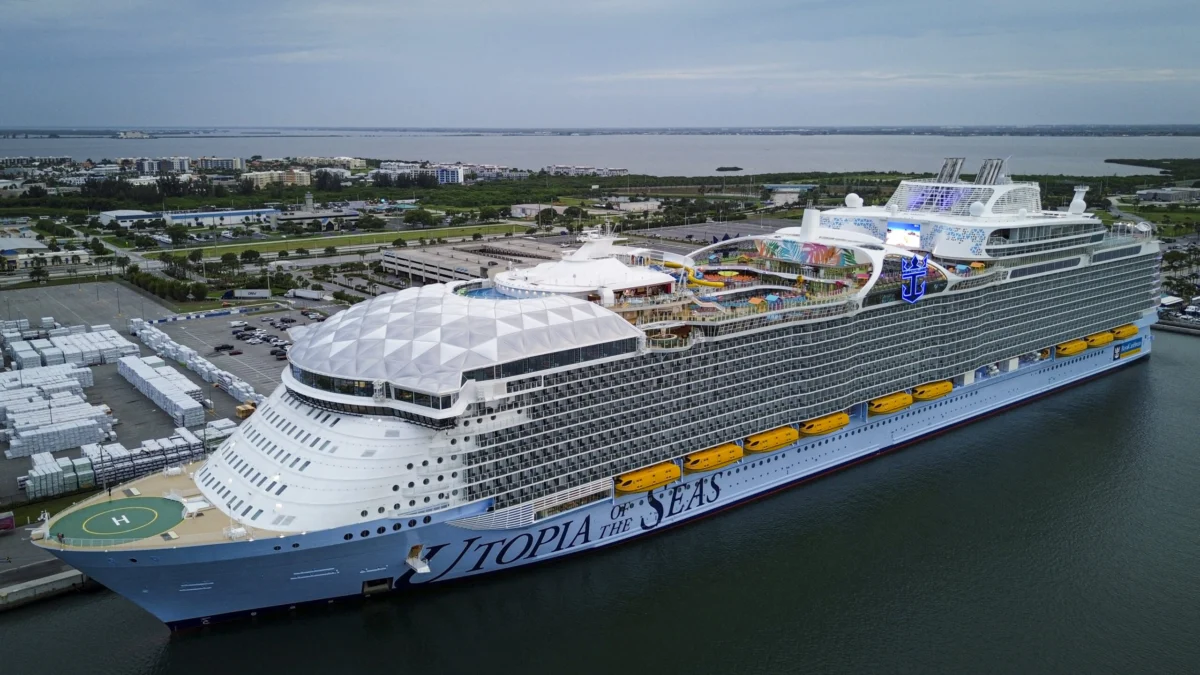
Royal Caribbean Group, one of the world’s leading cruise line operators, is reportedly on the cusp of a transformative $3 billion agreement to acquire a 50% equity stake in Sandals Resorts International, a move that would significantly broaden its footprint in the luxury all-inclusive resort sector. The potential transaction, first brought to light by the Financial Times, would value the entire Caribbean resort chain at an impressive $6 billion, signaling a strategic pivot for Royal Caribbean beyond its traditional cruise-centric business model. While discussions are ongoing and the deal is not yet finalized, sources familiar with the matter suggest that both companies anticipate substantial growth opportunities should the partnership materialize.
News of the potential acquisition sent ripples through the financial markets, with Royal Caribbean’s shares experiencing a roughly 6% decline following the initial reports. This immediate market reaction underscores investor caution regarding such a significant strategic shift, particularly given the company’s recent performance. Over the past year, Royal Caribbean’s stock has already seen a decline of approximately 25%, largely attributed to trimmed revenue growth forecasts stemming from softer demand for European sailings and broader economic headwinds impacting the travel industry. The reported deal, therefore, comes at a critical juncture for the cruise giant as it navigates both market pressures and ambitious diversification objectives.
Royal Caribbean’s Strategic Imperative: Beyond the Seas
For years, Royal Caribbean Group has articulated a clear vision: to evolve from being solely a cruise line operator into a comprehensive leader in the broader vacation industry. This strategic imperative is not new but has gained significant momentum, especially in the wake of global events that highlighted the vulnerabilities of a business heavily reliant on a single travel segment. The potential investment in Sandals represents the most substantial step yet in this long-term strategy, aiming to build out its land-based offerings and create a more diversified portfolio of travel experiences.
Royal Caribbean already possesses a foundational understanding of land-based guest experiences through its ownership and operation of private destinations like Perfect Day at CocoCay in the Bahamas and Labadee in Haiti. These exclusive destinations offer cruise passengers a curated resort-like experience, replete with beaches, water parks, dining, and various activities. While successful in enhancing the cruise vacation, these properties primarily serve as extensions of the cruise itinerary. A partnership with Sandals, however, would represent a distinct entry into the standalone, luxury all-inclusive resort market, catering to a different segment of travelers and providing year-round revenue streams independent of cruise sailings.
The company’s ambition to lead "vacations overall" reflects a recognition of evolving consumer preferences and the competitive landscape. Travelers increasingly seek seamless, high-value, and diverse vacation options. By integrating a prominent all-inclusive brand like Sandals into its ecosystem, Royal Caribbean could offer a wider array of choices, appealing to those who prefer land-based getaways while also potentially cross-selling resort stays to its vast cruise customer base and vice-versa. This move is indicative of a broader industry trend where travel companies are consolidating and expanding service offerings to capture a larger share of the global leisure travel market.
Sandals Resorts International: A Legacy of Luxury All-Inclusive Travel
Sandals Resorts International, founded by the late Gordon "Butch" Stewart in 1981, has cultivated an iconic reputation in the luxury all-inclusive segment, particularly known for its adults-only, couples-focused resorts under the Sandals brand and its family-friendly Beaches resorts. Headquartered in Jamaica, the company has grown into a formidable presence across the Caribbean, boasting more than a dozen properties in prime locations such such as Jamaica, Saint Lucia, Barbados, Antigua, the Bahamas, Grenada, and Curaçao.
Sandals’ success is built on a consistent brand promise of "Luxury Included®" vacations, offering guests a premium experience with gourmet dining, top-shelf spirits, extensive water sports, land activities, and personalized service, all covered in one upfront price. This model has garnered a loyal customer base, particularly from North America, and has established Sandals as a benchmark for quality and romance in the all-inclusive market. The brand’s strong equity, operational excellence, and deep understanding of the Caribbean hospitality landscape make it an attractive partner for a company like Royal Caribbean seeking to establish a credible foothold in this segment.
The all-inclusive resort market itself has experienced significant growth and evolution over the past decades. Once perceived as a budget-friendly option, the segment has successfully moved upscale, with brands like Sandals leading the charge in offering luxury experiences. This growth is driven by consumer demand for hassle-free vacations where costs are transparent and amenities are abundant. For Royal Caribbean, gaining a 50% stake in Sandals would immediately provide access to this lucrative and well-established market segment, bypassing the time and capital-intensive process of building and branding new resorts from scratch.
Financial and Market Implications: A Closer Look
The reported $3 billion valuation for a 50% stake in Sandals, implying a total enterprise value of $6 billion for the resort chain, is a substantial investment for Royal Caribbean. While specific financial details of Sandals are not publicly disclosed, such a valuation suggests a robust business with strong cash flows and growth potential. For Royal Caribbean, this investment would likely be funded through a combination of cash reserves, debt, and potentially equity issuance, which could contribute to the initial negative market reaction.
The immediate 6% drop in Royal Caribbean’s share price can be interpreted through several lenses. Firstly, investors might be wary of the significant capital outlay and potential for dilution, especially as the company is still recovering from the pandemic’s impact on the cruise industry. Secondly, there could be concerns about the integration risk associated with merging two distinct business models and corporate cultures. While both are in hospitality, the operational intricacies of managing a fleet of mega-ships differ significantly from running multiple luxury land-based resorts. Lastly, some investors might question the strategic focus, preferring the company to double down on its core cruise business rather than venture into new territories.

However, a longer-term perspective reveals potential financial upsides. Diversifying revenue streams into the all-inclusive market can mitigate risks associated with the cyclical and often volatile cruise industry. The all-inclusive model tends to have more stable demand patterns and can provide a hedge against factors like fuel price volatility, geopolitical events impacting specific sailing regions, or even health-related travel advisories that disproportionately affect cruises. Furthermore, cross-selling opportunities could be immense. Royal Caribbean’s vast customer database and loyalty programs (e.g., Crown & Anchor Society) could be leveraged to market Sandals resorts to cruise enthusiasts, while Sandals’ clientele could be introduced to Royal Caribbean’s diverse cruise offerings. This synergy could lead to increased bookings and higher customer lifetime value across both brands.
Strategic Rationale: Forging a Comprehensive Vacation Ecosystem
The strategic rationale behind Royal Caribbean’s pursuit of Sandals is multi-faceted, aiming to create a more resilient and comprehensive vacation ecosystem.
-
Market Diversification and Expansion: The deal would instantly grant Royal Caribbean a significant presence in the luxury all-inclusive resort market, appealing to a demographic that may not typically opt for cruises. This expands its total addressable market and reduces reliance on a single travel product. It also provides a robust platform to capture demand from travelers seeking land-based, fixed-price vacations.
-
Cross-Selling and Loyalty Enhancement: Imagine a cruise passenger enjoying a Royal Caribbean sailing and then receiving exclusive offers for a Sandals resort stay, or vice-versa. The ability to cross-sell and up-sell across two highly respected brands could unlock significant revenue synergies. Integrating loyalty programs or offering reciprocal benefits could also deepen customer engagement and retention.
-
Risk Mitigation and Stability: The travel industry is inherently susceptible to external shocks. By having significant stakes in both cruise and land-based resorts, Royal Caribbean could better weather downturns affecting one segment. For instance, if cruise demand falters in a particular region, strong performance from its resort portfolio could provide a buffer.
-
Enhanced Competitive Edge: In an increasingly competitive global travel market, offering a wider spectrum of vacation choices positions Royal Caribbean as a more formidable player against integrated travel companies and pure-play operators in both segments. It could allow the company to capture a greater share of household vacation budgets.
-
Operational Expertise and Brand Equity: Sandals brings decades of specialized operational expertise in luxury resort management and a powerful, globally recognized brand. Royal Caribbean can benefit from this established brand equity and operational know-how, while potentially contributing its own strengths in global logistics, technology, and marketing scale.
Potential Challenges and Integration Hurdles
While the strategic advantages are compelling, the integration of such a partnership will undoubtedly present challenges.
- Cultural Integration: Royal Caribbean is a publicly traded, large-scale, global cruise corporation. Sandals, while substantial, has operated with a more family-owned, Caribbean-centric ethos. Harmonizing corporate cultures, management styles, and operational philosophies will be crucial.
- Brand Identity Preservation: Sandals and Beaches have distinct brand identities, particularly Sandals’ focus on romantic, adults-only getaways. Royal Caribbean must ensure that any integration efforts do not dilute or compromise the unique appeal and luxury perception of the Sandals brands. Maintaining their autonomy while leveraging synergies will be a delicate balancing act.
- Operational Differences: Managing the logistics of hundreds of thousands of passengers on a moving vessel differs significantly from overseeing fixed-location resorts with distinct staffing, supply chain, and guest service requirements. Royal Caribbean will need to adapt to these operational nuances.
- Regulatory Scrutiny: While a 50% equity stake might mitigate some antitrust concerns compared to a full acquisition, any major consolidation in the travel sector can attract regulatory attention, particularly concerning market dominance in specific regions or segments.
- Investment Payback Period: The substantial investment will require a clear strategy for return on investment. The long-term benefits must outweigh any short-term financial pressures or integration costs.
Awaiting Official Confirmation and Future Outlook
As of the current reports, neither Royal Caribbean Group nor Sandals Resorts International have issued official statements regarding the potential transaction, adhering to standard practices for ongoing, unannounced negotiations. The "no comment" stance from both parties underscores the sensitive nature of such high-stakes discussions and the possibility that a definitive agreement may still be some time away, or even fall through.
Should the deal proceed, it would represent a pivotal moment for Royal Caribbean, cementing its ambition to transcend its identity as merely a cruise line. It would mark a significant expansion into the luxury all-inclusive segment, positioning the company as a more diversified travel and leisure powerhouse. For Sandals, a partnership with a global giant like Royal Caribbean could provide access to vast capital, marketing reach, and technological capabilities, accelerating its own growth trajectory and further solidifying its market leadership.
The global travel industry is in a constant state of flux, driven by evolving consumer demands, technological advancements, and economic realities. Royal Caribbean’s reported pursuit of a stake in Sandals is not merely an acquisition; it is a strategic declaration of intent—a bold move to redefine its future and establish a formidable presence across the entire spectrum of vacation experiences. The coming months will reveal whether these ambitious talks culminate in a landmark deal that reshapes the landscape of both cruise and resort travel.
