

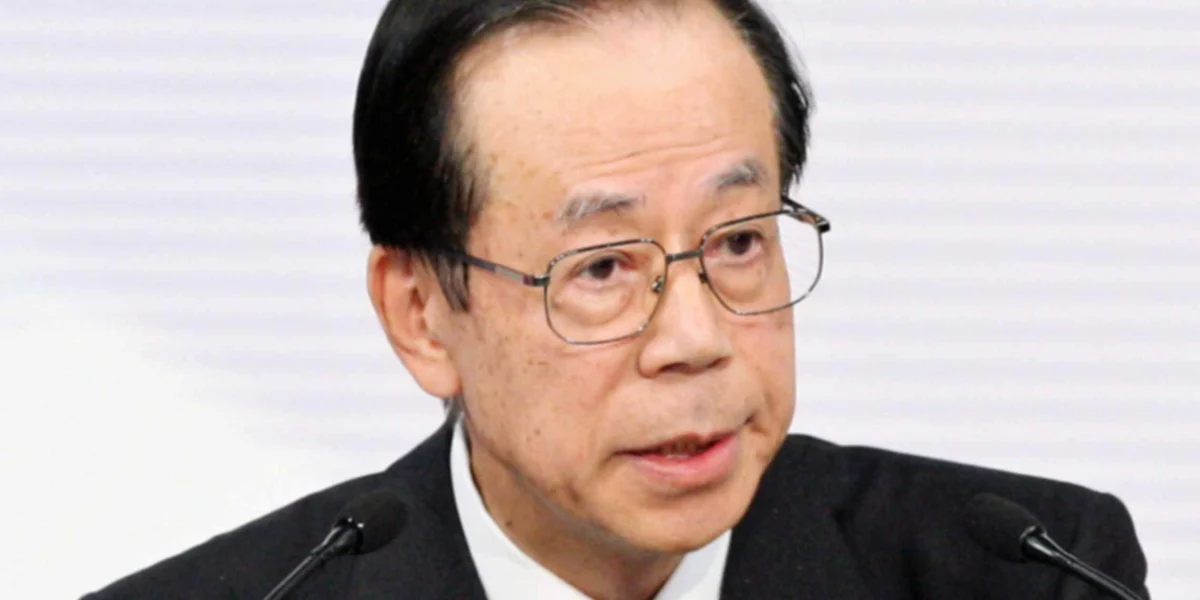
Tokyo – Former Japanese Prime Minister Yasuo Fukuda, a statesman credited with significant efforts to stabilize and improve relations with China during a period of heightened regional tensions, passed away on October 22nd in Tokyo. He was 90 years old. The ruling Liberal Democratic Party (LDP) confirmed his death on Monday, citing heart failure as the cause. Fukuda’s tenure as prime minister, from 2007 to 2008, was marked by a pragmatic approach to foreign policy, with a particular emphasis on fostering dialogue and understanding with Beijing, a critical yet often complex relationship for Japan.
Fukuda’s passing marks the end of a distinguished political career that spanned decades, during which he served in various ministerial roles before ascending to the nation’s highest office. His leadership style was often characterized by a measured and deliberative approach, a stark contrast to the often more confrontational stances adopted by some of his contemporaries. This disposition proved particularly valuable in navigating the intricate diplomatic landscape of East Asia.
A Diplomatic Pivot: Fukuda’s Approach to China
One of the defining aspects of Yasuo Fukuda’s premiership was his concerted effort to de-escalate simmering tensions with China. His tenure coincided with a period of significant friction between the two East Asian giants, fueled by historical grievances, territorial disputes, and growing economic competition. Fukuda recognized the profound strategic and economic importance of a stable relationship with China and actively pursued a policy of engagement.
His approach was rooted in the belief that open communication channels were essential to managing disagreements and identifying areas of mutual interest. This stood in contrast to the more assertive foreign policy posture that some factions within Japan advocated for at the time. Fukuda understood that while acknowledging legitimate concerns, a purely confrontational stance could jeopardize vital economic ties and regional stability.
A key moment in this diplomatic effort was Fukuda’s state visit to China in April 2008. During this visit, he held extensive talks with then-President Hu Jintao and Premier Wen Jiabao. The meetings aimed to build trust and lay the groundwork for more cooperative engagement. Fukuda emphasized the shared destiny of the two nations and the need for both to contribute to regional peace and prosperity. He stressed the importance of historical understanding while also looking towards a future of mutual benefit.
During his visit, Fukuda articulated a vision for a "mutually beneficial strategic relationship." This framework aimed to move beyond the traditional realist security paradigm and acknowledge the interwoven economic realities of Japan and China. He proposed increased cooperation in areas such as environmental protection, disaster relief, and cultural exchange, seeking to build common ground that could counterbalance the persistent political friction.
Navigating Regional Complexities: The G8 Summit in Toyako
Fukuda’s leadership was also put to the test on the global stage when Japan hosted the Group of Eight (G8) summit in Toyako, Hokkaido, in July 2008. As the host nation’s leader, he was responsible for setting the agenda and guiding discussions among the leaders of the world’s major industrialized nations. The summit took place against a backdrop of escalating global financial instability, rising energy prices, and ongoing geopolitical challenges.
Fukuda used the summit to advocate for international cooperation on climate change, energy security, and global health. He also played a crucial role in facilitating discussions on regional issues, including the denuclearization of North Korea and the broader implications of China’s growing influence. His ability to foster consensus among diverse leaders underscored his diplomatic acumen and his commitment to multilateral solutions.
The G8 summit provided Fukuda with an opportunity to engage directly with his Chinese counterpart, Hu Jintao, on the sidelines of the main proceedings. These informal exchanges were vital for reinforcing the bilateral dialogue established during Fukuda’s earlier visit to Beijing. They allowed for a more candid exchange of views and helped to solidify the commitment to managing their relationship constructively.
A Political Trajectory: From Bureaucracy to Prime Minister
Born in 1936, Yasuo Fukuda hailed from a prominent political family. His father, Takeo Fukuda, also served as Prime Minister of Japan. This lineage undoubtedly shaped his early understanding of politics and public service. After graduating from Waseda University, Fukuda began his career in the private sector before entering the political arena.
His political ascent was steady and deliberate. He served as a Member of the House of Representatives for over two decades, holding key positions such as Chief Cabinet Secretary under Prime Minister Junichiro Koizumi. In this role, he was instrumental in shaping government policy and managing inter-agency coordination. He later served as Minister of Foreign Affairs, further honing his diplomatic skills.
Fukuda’s election as Prime Minister in September 2007 was seen by many as a return to a more stable and experienced leadership after a period of frequent prime ministerial changes. His calm demeanor and measured approach were welcomed by many within the LDP and the wider public, who sought a steady hand at the helm.
Key Policy Initiatives and Their Impact
During his premiership, Fukuda focused on several key policy areas:
Economic Revitalization
Fukuda inherited an economy facing challenges, including the lingering effects of the global financial crisis. He implemented measures aimed at stimulating domestic demand and supporting small and medium-sized enterprises. His administration also focused on fiscal reforms, seeking to address Japan’s growing national debt.
Social Welfare and Reform
Recognizing the demographic shifts in Japan, Fukuda’s government placed emphasis on social welfare programs and reforms aimed at addressing the aging population and declining birthrate. This included initiatives to improve healthcare access and support for families.
Foreign Policy and Security
Beyond his focus on China, Fukuda continued to advocate for a strong alliance with the United States while also seeking to diversify Japan’s diplomatic partnerships. He maintained a pragmatic stance on North Korea, supporting international efforts for denuclearization.
The Legacy of a Pragmatic Leader
Yasuo Fukuda’s legacy is that of a pragmatic statesman who understood the complexities of international relations and the importance of dialogue. His dedication to improving Sino-Japanese ties, at a time when such efforts were fraught with difficulty, stands as a testament to his commitment to regional stability. While political landscapes inevitably shift, the principles of open communication and mutual understanding that Fukuda championed remain crucial for navigating the challenges of the 21st century.
His passing has elicited tributes from across the political spectrum, both domestically and internationally. Leaders have acknowledged his contributions to Japanese politics and his efforts to foster peace and prosperity in the Asia-Pacific region. The specific impact of his policies will continue to be analyzed by historians and political scientists, but his efforts to build bridges with China are likely to be remembered as a significant diplomatic achievement.
The Nikkei’s report on his passing, timestamped October 26, 2026, at 14:16 JST and updated at 17:37 JST, underscores the immediate dissemination of this significant news within the Japanese and international media. His 90 years of life encompassed a period of immense change for Japan and the world, and his role in shaping the nation’s trajectory, particularly in its crucial relationship with China, leaves a discernible mark on modern history.
