

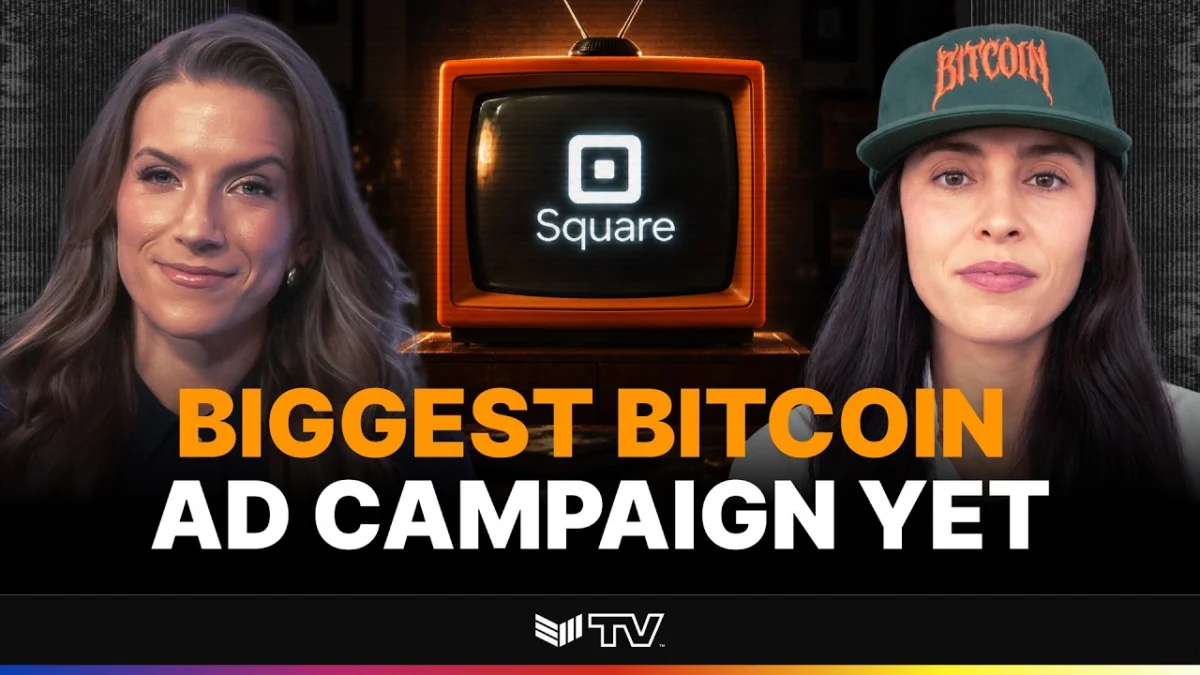
Block has officially launched "Bitcoin Does," its inaugural mass-consumer advertising campaign designed to engage the approximately 60 million Americans who express curiosity about Bitcoin but have yet to make their first purchase. The initiative, spearheaded by Maria Pesce, Head of Bitcoin Marketing at Block, which encompasses Cash App, Square, and Proto, aims to transcend the technical jargon often associated with cryptocurrencies. Instead, the campaign focuses on demonstrating the practical utility of Bitcoin, illustrating its functionality rather than delving into complex explanations of mining processes or blockchain technology. This strategic approach is rooted in direct customer insights, including feedback from a Square seller who described Bitcoin as "more honest money." The campaign’s creative direction has been notably shaped by prevailing economic conditions, such as inflation and recent bailouts, alongside the influence of private equity. The campaign’s rollout also coincided with an interactive activation at ComplexCon, dubbed "Lightning Lake," where attendees could metaphorically "fish" for Bitcoin and conduct transactions using the Lightning Network.
Campaign Genesis and Strategic Imperatives
The "Bitcoin Does" campaign represents a significant strategic pivot for Block in its efforts to broaden Bitcoin adoption. Historically, the narrative surrounding Bitcoin has often been technical, deterring potential users who are unfamiliar with its underlying infrastructure. Pesce, in her discussion with Grace Remington and Sean Hagan, emphasized that the campaign’s core insight stems from observing this disconnect between public interest and actual engagement. The decision to bypass complex technical explanations is a deliberate choice to meet potential users where they are, addressing their immediate needs and concerns rather than overwhelming them with abstract concepts.
The genesis of the campaign can be traced back to observations within Block’s existing customer base. Feedback from Square sellers, who are on the front lines of commerce, provided crucial qualitative data. The descriptor "more honest money" emerged from these conversations, suggesting that for many, Bitcoin represents a perceived alternative to traditional financial systems that are viewed as opaque or susceptible to manipulation. This sentiment resonates particularly in an economic climate marked by persistent inflation and large-scale financial interventions like bailouts, which can erode public trust in established institutions.
Furthermore, the campaign acknowledges the growing influence of private equity and institutional investment in the broader financial landscape. While these entities may operate with different motivations, their engagement with digital assets indirectly signals a growing mainstream acceptance, which Block seeks to leverage by making Bitcoin accessible to individual consumers.
The "Honest Money" Narrative: Customer Insights and Economic Realities
The campaign’s central message, "honest money," is not merely a marketing slogan but a reflection of deep-seated customer sentiment. Pesce highlighted how conversations with Cash App users and observations from Square sellers consistently pointed towards a desire for a financial system perceived as more transparent and equitable. In the context of rising inflation, where the purchasing power of traditional currencies diminishes, and following events that have seen significant government or private sector interventions in financial markets, the idea of a fixed-supply asset like Bitcoin gains traction.
The concept of "honest money" is intrinsically linked to Bitcoin’s fundamental characteristics: its scarcity, its decentralized nature, and its potential for self-custody. For many, a fixed supply of 21 million Bitcoin offers a hedge against inflationary pressures, a stark contrast to fiat currencies that can be subject to monetary expansion. The ability for individuals to hold their own Bitcoin (self-custody) also appeals to those seeking greater control over their assets, free from the intermediation and potential restrictions of traditional banking.
Pesce noted that these insights were particularly salient among younger demographics, who are often early adopters of new technologies and may have a more critical view of established financial structures. Their increasing interest in Bitcoin is attributed to a combination of factors, including a growing awareness of its long-term potential, a desire for financial independence, and a receptiveness to alternative investment vehicles.
"Light Bulb Moments": Translating Complexity into Simplicity
A key objective of the "Bitcoin Does" campaign is to generate "light bulb moments" for individuals who have previously found Bitcoin intimidating. The ads are designed to illustrate tangible use cases, moving beyond abstract technicalities to showcase how Bitcoin can practically function in everyday life. This approach aims to demystify the technology and make it relatable.
Pesce elaborated on the campaign’s design language, likening the effort to making Bitcoin work "like email." This analogy underscores the goal of achieving a level of user-friendliness and widespread understanding that mirrors the adoption of early internet technologies. The campaign avoids the technical jargon of mining, hashing, and cryptography, focusing instead on the outcomes: secure transactions, global accessibility, and financial empowerment.
The effectiveness of this strategy is anticipated to be measured by the number of individuals who, after encountering the campaign, feel empowered to take the first step in acquiring or using Bitcoin. The campaign aims to provide a clear, unintimidating entry point, addressing the initial hesitations that have prevented broader adoption.
Lightning Lake at ComplexCon: Experiential Engagement
The "Lightning Lake" activation at ComplexCon served as a tangible, experiential component of the "Bitcoin Does" campaign. This interactive event provided attendees with a hands-on opportunity to engage with Bitcoin and the Lightning Network in a fun and accessible way. By allowing participants to "fish" for Bitcoin, the activation gamified the process of acquiring digital currency, making it more engaging and less intimidating.
Crucially, the activation also facilitated real-world transactions using the Lightning Network. Attendees could use their newly acquired Bitcoin to purchase merchandise or services, demonstrating the practical utility of Bitcoin as a medium of exchange. This direct experience with Lightning payments, known for its speed and low fees, offered a powerful illustration of Bitcoin’s potential for everyday commerce.
The success of Lightning Lake suggests that experiential marketing can be a potent tool in demystifying complex technologies. By offering a direct, positive interaction with Bitcoin, Block aims to convert curiosity into understanding and, ultimately, into adoption. This approach complements the broader advertising campaign by providing a memorable, in-person demonstration of Bitcoin’s capabilities.
Block’s Broader Bitcoin Ecosystem: Cash App, Square, and Proto
The "Bitcoin Does" campaign is integrated across Block’s suite of products, including Cash App, Square, and Proto, creating a cohesive ecosystem for Bitcoin engagement. Cash App has long been a gateway for many individuals to acquire Bitcoin, offering a user-friendly interface for buying, selling, and holding the cryptocurrency. The campaign aims to build upon this existing foundation by encouraging more active use and exploration of Bitcoin’s capabilities within the app.
For Square sellers, the campaign highlights how Bitcoin can be integrated into their businesses, potentially opening up new customer segments and offering a modern payment option. Square’s commitment to supporting Bitcoin is further underscored by initiatives such as offering 0% Bitcoin processing fees, a move designed to incentivize merchants to accept Bitcoin without incurring additional costs. This strategy aims to reduce friction for businesses and encourage broader merchant adoption, which in turn benefits consumers by increasing the number of places where Bitcoin can be spent.
Proto, Block’s Bitcoin hardware wallet subsidiary, represents the company’s commitment to secure self-custody. While the "Bitcoin Does" campaign primarily focuses on accessibility and utility, the presence of Proto within Block’s portfolio signals a long-term vision that encompasses robust security solutions for users who wish to take full control of their digital assets. This integrated approach, spanning from initial acquisition to secure storage and everyday transactions, positions Block as a comprehensive provider in the Bitcoin space.
Future Implications and Market Context
The launch of "Bitcoin Does" arrives at a pivotal moment for the cryptocurrency market. Following a period of significant volatility and increased regulatory scrutiny, there is a renewed focus on the underlying utility and long-term value proposition of digital assets like Bitcoin. Block’s campaign, by emphasizing practical applications and addressing consumer concerns, could play a significant role in shaping public perception and driving mainstream adoption.
The campaign’s success will likely be measured not only by immediate user acquisition but also by its ability to foster a deeper understanding of Bitcoin’s potential as a financial tool. By connecting the frustrations of everyday economic challenges with the solutions offered by Bitcoin, Block is attempting to build a narrative that resonates beyond speculative interest.
The broader implications of this campaign extend to the entire digital asset industry. A successful mass-market adoption push by a major player like Block could pave the way for other companies to invest in similar initiatives, accelerating the integration of cryptocurrencies into the global financial system. The focus on "honest money" and practical utility suggests a maturing market that is moving beyond hype towards sustainable growth and real-world application.
Disclaimer: The views and opinions expressed in this analysis are based on the provided content and general market understanding. They do not constitute investment, legal, tax, or accounting advice. Readers are encouraged to consult with their own qualified advisors before making any financial or business decisions.
