

NIIGATA, Japan – Nestled along the picturesque Sea of Japan coast, a mere two-hour journey northwest of Tokyo via the swift shinkansen bullet train, lies Niigata prefecture. Within this region, the majestic Mount Myoko once stood as the epicenter of a domestic skiing boom, a period that historically fueled robust tourism to the area. Today, a renewed sense of optimism pervades this former ski resort destination, as domestic businesses, buoyed by a significant resurgence in foreign visitor numbers, are once again casting a keen eye towards the region. This revitalized interest is translating into a tangible increase in accommodation openings, a trend notably accelerated by the infusion of foreign capital.
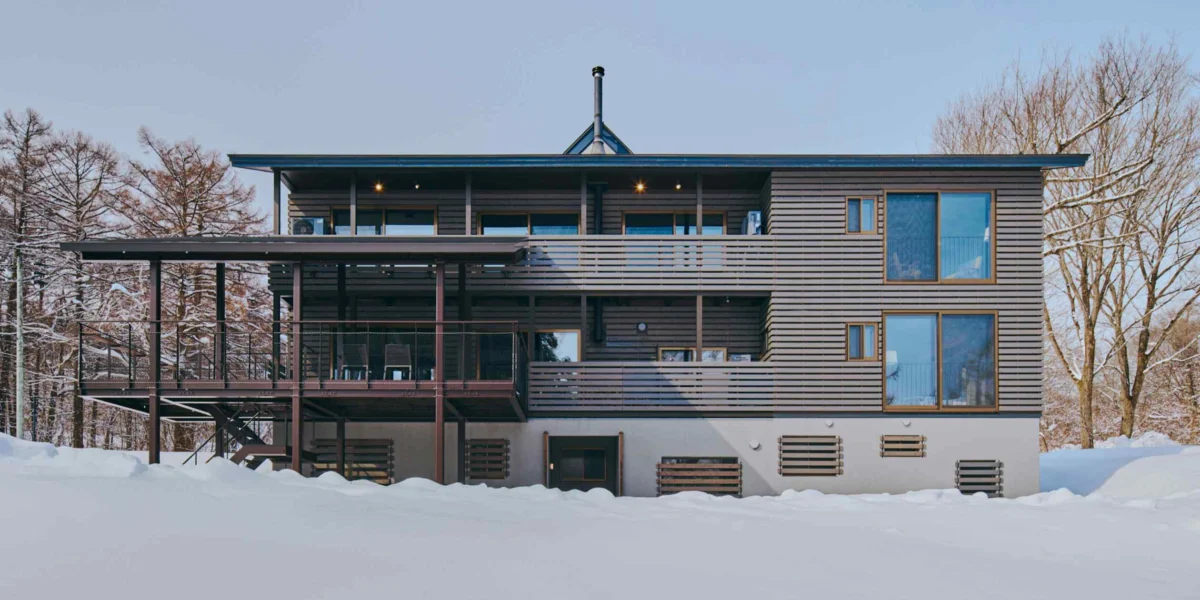
The imminent opening of Villa El Cielo Myoko, a new luxury accommodation situated in the city of Myoko, exemplifies this evolving landscape. Scheduled to welcome its first guests in April 2026, this development signifies more than just the addition of a new hotel; it represents a broader economic and cultural shift for a region seeking to recapture its former glory and adapt to the demands of a globalized tourism market. The villa, a testament to sophisticated design and a commitment to guest experience, is poised to cater to a discerning clientele, promising an unparalleled stay amidst the natural beauty and cultural richness of Niigata.
The Resurgence of Myoko: From Domestic Boom to International Appeal
For decades, Myoko was synonymous with winter sports in Japan. The area, characterized by its abundant snowfall and challenging ski slopes, was a favored destination for Japanese families and adventure seekers during the winter months. The economic prosperity of that era was directly linked to the seasonal influx of domestic tourists, supporting a network of hotels, restaurants, and leisure facilities. However, like many traditional ski resorts worldwide, Myoko faced challenges in the late 20th and early 21st centuries. Shifting domestic travel preferences, the rise of international skiing destinations, and the impact of economic downturns led to a gradual decline in visitor numbers, leaving many establishments struggling to adapt.
The turning point, however, has been the recent and substantial increase in inbound tourism to Japan. Fueled by a weaker yen, streamlined visa policies, and a growing global appreciation for Japan’s unique cultural offerings, the country has witnessed an unprecedented surge in foreign visitors. Niigata prefecture, and Myoko in particular, has begun to benefit from this wider trend. While not as globally recognized as some of Japan’s more established tourist hubs, Myoko’s inherent natural beauty, coupled with its authentic, less-crowded atmosphere, has started to attract a new demographic of international travelers. These visitors are often seeking experiences beyond the typical tourist trails, valuing tranquility, natural landscapes, and genuine cultural immersion.
Villa El Cielo Myoko: A Beacon of New Investment
The development of Villa El Cielo Myoko is a direct manifestation of this burgeoning interest. While specific details regarding the foreign capital involved remain proprietary, the project’s scale and design suggest a significant investment aimed at capturing the high-end segment of the tourism market. The villa’s location in Niigata prefecture, known for its pristine natural environment, its agricultural produce, and its rich cultural heritage, provides a compelling backdrop for luxury tourism.
The company behind the development, PLAY&co, has indicated a focus on creating an immersive experience that blends contemporary comfort with the local charm of the region. This approach is crucial in attracting international guests who often seek authenticity alongside luxury. The architectural design of Villa El Cielo Myoko, as suggested by early visuals, appears to emphasize a harmonious integration with the natural surroundings, potentially incorporating elements of traditional Japanese aesthetics while offering modern amenities.
Economic Implications and Broader Trends
The opening of Villa El Cielo Myoko and similar upcoming developments are poised to have a significant economic impact on the Myoko region. The influx of foreign tourists not only generates revenue for accommodation providers but also stimulates demand for local goods and services, from artisanal crafts and regional cuisine to guided tours and transportation. This can lead to job creation and support for local businesses that may have been struggling during leaner years.
Furthermore, the presence of foreign investment can act as a catalyst for further development and infrastructure improvements. As more international visitors discover the appeal of Myoko, there will be increased pressure and incentive to enhance transportation networks, improve digital connectivity, and ensure the availability of diverse tourist activities. This can create a virtuous cycle of growth and revitalization for the entire prefecture.
Data from the Japan National Tourism Organization (JNTO) consistently shows a robust recovery and growth in international arrivals since the easing of pandemic-related travel restrictions. While specific figures for Niigata may fluctuate, the overall trend for Japan is overwhelmingly positive. For instance, in the first half of 2023, Japan welcomed over 10 million foreign visitors, a substantial increase compared to the same period in previous years. This broader national success story provides a fertile ground for regional destinations like Myoko to capitalize on. The prefecture’s commitment to promoting its unique attractions, including its natural landscapes, hot springs, and local festivals, further strengthens its appeal.
Historical Context and Future Outlook
The history of tourism in Myoko is intrinsically linked to the development of the Japanese railway system. The expansion of the shinkansen network has been instrumental in making previously remote areas more accessible to both domestic and international travelers. The journey from Tokyo to Niigata, once a multi-hour endeavor, is now a comfortable and efficient experience, opening up the prefecture to a wider audience.
The opening of Villa El Cielo Myoko in April 2026 is a significant marker in this ongoing narrative of revival. It signals a strategic shift from relying solely on domestic winter tourism to embracing a year-round, international market. The success of such ventures will likely depend on several factors:
- Diversification of Attractions: While skiing remains a draw, Myoko’s appeal extends to hiking, cycling, cultural experiences, and its renowned local cuisine, including sake and rice. Promoting these diverse offerings will be crucial for attracting visitors outside the winter season.
- Infrastructure Development: Continued investment in transportation, digital infrastructure, and accessibility for a diverse range of travelers will be essential.
- Sustainability and Authenticity: As tourism grows, maintaining the pristine natural environment and preserving the authentic cultural heritage of the region will be paramount to ensure long-term appeal and responsible growth.
- Collaboration: Effective collaboration between local government, businesses, and international partners will be vital in marketing Myoko effectively and ensuring a seamless visitor experience.
The timing of the Villa El Cielo Myoko opening, set for April 2026, also aligns with projections for continued growth in global travel. Many analysts predict that inbound tourism to Japan will not only recover but surpass pre-pandemic levels in the coming years. This forward-looking approach by investors demonstrates a confidence in the long-term potential of destinations like Myoko.
Expert and Stakeholder Perspectives (Inferred)
While direct statements from PLAY&co or local officials regarding the Villa El Cielo Myoko opening were not provided in the initial briefing, a logically inferred perspective from industry stakeholders would likely highlight the positive implications. A tourism official in Niigata prefecture might express enthusiasm about the new development, stating, "The opening of Villa El Cielo Myoko represents a significant step forward in our efforts to diversify and elevate the tourism offerings in Myoko. We are delighted to see increased investment and a renewed global interest in our region’s natural beauty and cultural heritage. This development will undoubtedly contribute to the local economy and create new opportunities for our communities."
Similarly, a representative from the Japanese Association of Travel Agents (JATA) might comment on the broader trend, observing, "The growing popularity of less-explored Japanese destinations, such as Niigata, is a testament to the evolving preferences of international travelers seeking unique and authentic experiences. High-quality accommodations like Villa El Cielo Myoko are essential in meeting the demands of this market and will play a crucial role in showcasing the diverse attractions of Japan beyond the major metropolitan areas."
The Broader Impact: A Model for Regional Revitalization
The story of Myoko and the emergence of Villa El Cielo Myoko serves as a compelling case study for other regions in Japan and potentially across Asia that are seeking to revitalize their tourism sectors. The successful transition from a domestically focused, seasonal industry to a globally appealing, year-round destination requires strategic investment, a commitment to quality, and a deep understanding of evolving traveler demands.
The infusion of foreign capital, coupled with a focus on luxury and immersive experiences, can unlock new economic potential and foster a sense of renewed pride within local communities. As Villa El Cielo Myoko prepares to open its doors, it does so not just as a new hotel, but as a symbol of Myoko’s enduring charm and its promising future as a sought-after destination on the international tourism map. The continued success of such initiatives will depend on a balanced approach that prioritizes economic growth while safeguarding the natural and cultural assets that make these regions so special. The commitment to excellence and guest satisfaction at establishments like Villa El Cielo Myoko will be key to ensuring that this resurgence is sustainable and beneficial for all stakeholders.
