

HO CHI MINH CITY — Vietnam Electricity (EVN), the nation’s state-controlled power utility, has undertaken a significant overhaul of its peak power pricing structure, a strategic maneuver designed to alleviate pressure on the national grid during periods of highest demand and diminishing solar generation. This adjustment, effective from a recent date, involves the elimination of one of the two established peak power pricing periods and a two-hour extension of the remaining period. The objective is to incentivize a more balanced electricity consumption pattern, thereby mitigating the risk of grid instability and ensuring a more reliable power supply for the country’s burgeoning economy and population.
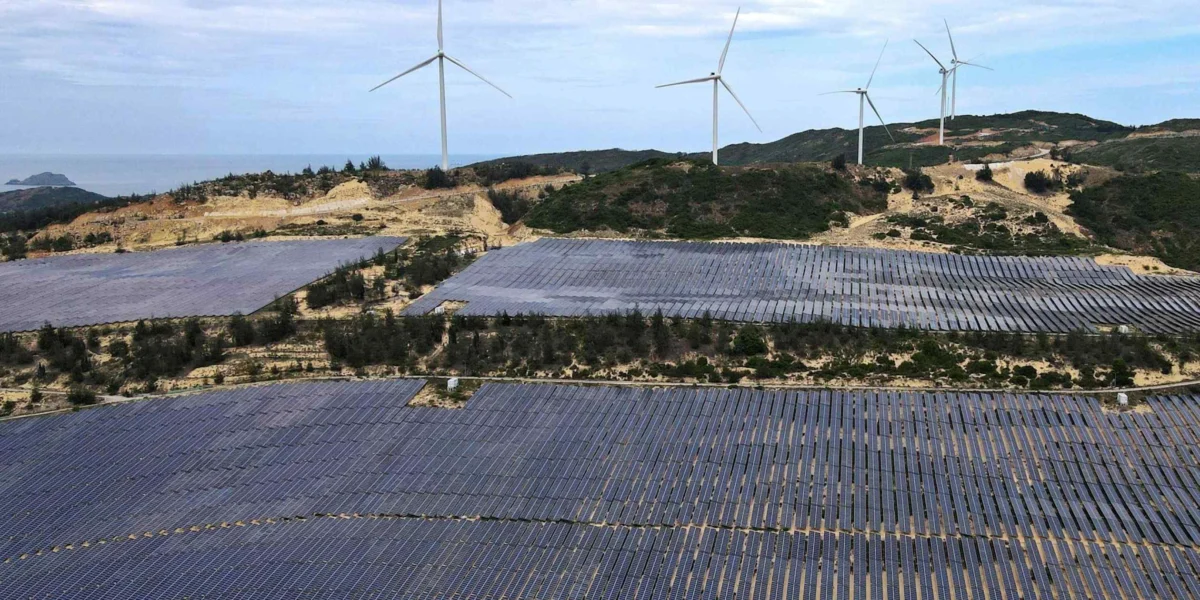
The decision by EVN reflects a proactive response to the rapid expansion of renewable energy sources, particularly solar power, across Vietnam. While the proliferation of solar farms, often integrated with wind turbines in regions like Quy Nhon, has been lauded for its contribution to cleaner energy generation and reduced reliance on fossil fuels, it has also introduced new challenges for grid management. Solar power generation is inherently intermittent, peaking during daylight hours. As Vietnam’s solar capacity has grown exponentially, the nation has experienced a surplus of electricity during midday, while demand often surges in the early evening as businesses operate and households switch on lights and appliances after work. This creates a distinct “duck curve” phenomenon, where solar output drops off sharply as demand rises, creating a critical stress point for the grid.
Background: A Rapidly Evolving Energy Landscape
Vietnam’s energy sector has been undergoing a dramatic transformation over the past decade. Driven by robust economic growth, industrialization, and increasing urbanization, the country’s electricity demand has surged. In response, the government has set ambitious targets for renewable energy deployment, with solar and wind power leading the charge. From a relatively modest base, Vietnam has rapidly climbed the ranks to become a major player in solar energy, particularly following policy shifts that encouraged private investment. The feed-in tariff (FiT) schemes introduced in previous years, though later revised, spurred a wave of installations, leading to an unprecedented increase in solar power capacity, especially rooftop solar.
However, this rapid expansion has outpaced the grid’s ability to effectively integrate and manage the influx of variable renewable energy. The existing pricing mechanisms, designed for a more conventional generation mix, were no longer adequate to incentivize consumption patterns that aligned with the realities of a solar-heavy grid. The traditional peak pricing structures often aimed to curb demand during the most expensive periods for generation, typically when fossil fuel plants were running at high capacity. In the new context, the critical challenge shifted to managing the evening ramp-up as solar generation declined.
Chronology of Grid Management Adjustments
The decision to revise peak power pricing is not an isolated event but part of a broader, evolving strategy by EVN to adapt to Vietnam’s changing energy dynamics. While specific dates for initial peak pricing implementation are not detailed in the initial report, the shift in the last year has been notable. Prior to this adjustment, Vietnam likely operated with two distinct peak demand periods. One period would have been designed to manage general high demand, possibly encompassing daytime industrial activity and early evening household use. A second period might have been introduced to further address specific times of acute stress on the grid.
The recent announcement signifies a streamlining and recalibration. The elimination of one peak period suggests that its intended purpose might now be subsumed by the extended remaining period or is no longer deemed as critical as managing the post-sunset demand surge. The extension of the remaining peak period by two hours, likely into the early evening, is a direct attempt to influence consumer behavior during this crucial time. By making electricity more expensive during these extended hours, EVN aims to encourage a shift in demand to off-peak periods, such as during the midday when solar generation is at its zenith.
Supporting Data and Grid Dynamics
The impact of increased solar capacity on Vietnam’s grid can be illustrated with available data, although precise figures for the exact period of the pricing change may vary. As of recent reports, Vietnam has achieved significant milestones in renewable energy capacity. For instance, by the end of 2023, the country had installed tens of gigawatts of solar power, making it one of the largest solar markets in Southeast Asia. This substantial influx directly contributes to the midday generation surplus.
The "duck curve" phenomenon, a visual representation of net load (total demand minus renewable generation), becomes pronounced. During peak solar hours (e.g., 11 AM to 3 PM), solar generation can significantly offset demand. However, as the sun sets, solar output plummets, and if demand remains high or increases, the grid must rapidly draw power from other sources. This rapid ramp-up requirement is often more expensive and can strain generation and transmission infrastructure. For example, if peak demand historically occurred between 5 PM and 8 PM, and solar generation significantly reduced the need for grid power between 1 PM and 4 PM, the utility faces a dual challenge: managing excess solar and then a sudden surge in demand. The EVN’s pricing adjustment targets this evening ramp-up. By extending the peak period to, for instance, 5 PM to 10 PM, consumers and businesses are incentivized to reduce consumption or shift it earlier in the day, or later into the night, when electricity is cheaper.
Official Responses and Inferred Reactions
While direct quotes from EVN officials elaborating on the nuanced reasoning behind the pricing change were not immediately available in the provided snippet, the strategic nature of the move speaks volumes. EVN, as the sole buyer and operator of Vietnam’s electricity grid, is tasked with ensuring energy security and affordability. The decision to alter pricing structures is a clear indication of their ongoing efforts to balance the integration of renewables with the imperative of grid stability.
One can infer that this adjustment has been carefully considered in consultation with government energy ministries and potentially with input from industry stakeholders. The aim is to create a market signal that guides consumption patterns without resorting to drastic, potentially disruptive, measures. The move is also likely a precursor to further grid modernization efforts, including investments in energy storage solutions and smart grid technologies, which are crucial for managing intermittent renewables.
Consumer groups and industry associations would likely react to such changes. Businesses, in particular, would analyze the new pricing structure to optimize their energy consumption and operational schedules. For households, the extended peak period might necessitate adjustments to appliance usage, potentially encouraging the adoption of smart home technologies or a greater awareness of energy consumption habits. The success of the policy will depend on its clarity, communication, and the ability of consumers to adapt.
Broader Impact and Implications
The implications of Vietnam’s peak power pricing adjustment extend beyond mere tariff changes. This move is indicative of a broader trend in energy policy across many nations grappling with the integration of high levels of renewable energy.
1. Grid Stability and Reliability: By incentivizing a flattening of the demand curve, particularly during the critical evening hours, EVN aims to reduce the likelihood of blackouts or brownouts. This is crucial for maintaining investor confidence and supporting Vietnam’s continued economic development.
2. Encouraging Energy Efficiency and Demand-Side Management: The pricing mechanism acts as a powerful tool for demand-side management. It encourages consumers to be more conscious of their electricity usage and to shift non-essential activities to off-peak hours. This can lead to overall improvements in energy efficiency across the economy.
3. Promoting Investment in Energy Storage: The "duck curve" highlights the economic rationale for energy storage solutions. The ability to store excess solar energy generated during the day and discharge it during the evening peak can significantly reduce reliance on expensive peaking power plants and improve grid economics. This pricing adjustment may further spur investment in battery storage and other storage technologies.
4. Signaling Future Policy Directions: This adjustment is likely a signal of Vietnam’s commitment to a renewable-energy-dominated future while acknowledging the operational challenges. It suggests that future policies will continue to focus on integrating renewables efficiently and managing the grid effectively.
5. Economic Competitiveness: For industries, predictable and stable energy prices are vital. While peak pricing increases costs during certain hours, the overall aim is to ensure a more robust and reliable grid, which ultimately benefits economic competitiveness. Businesses that can adapt their operations to the new pricing structure may find opportunities for cost savings.
In conclusion, Vietnam’s decision to revise its peak power pricing structure is a sophisticated and necessary adaptation to its rapidly evolving energy landscape. It underscores the challenges and opportunities presented by the exponential growth of solar power and demonstrates a strategic approach to grid management. As Vietnam continues its transition towards a cleaner energy future, such pragmatic policy adjustments will be critical in ensuring a stable, reliable, and affordable electricity supply for its citizens and industries. The success of this initiative will be closely watched by other nations facing similar energy integration hurdles.
