

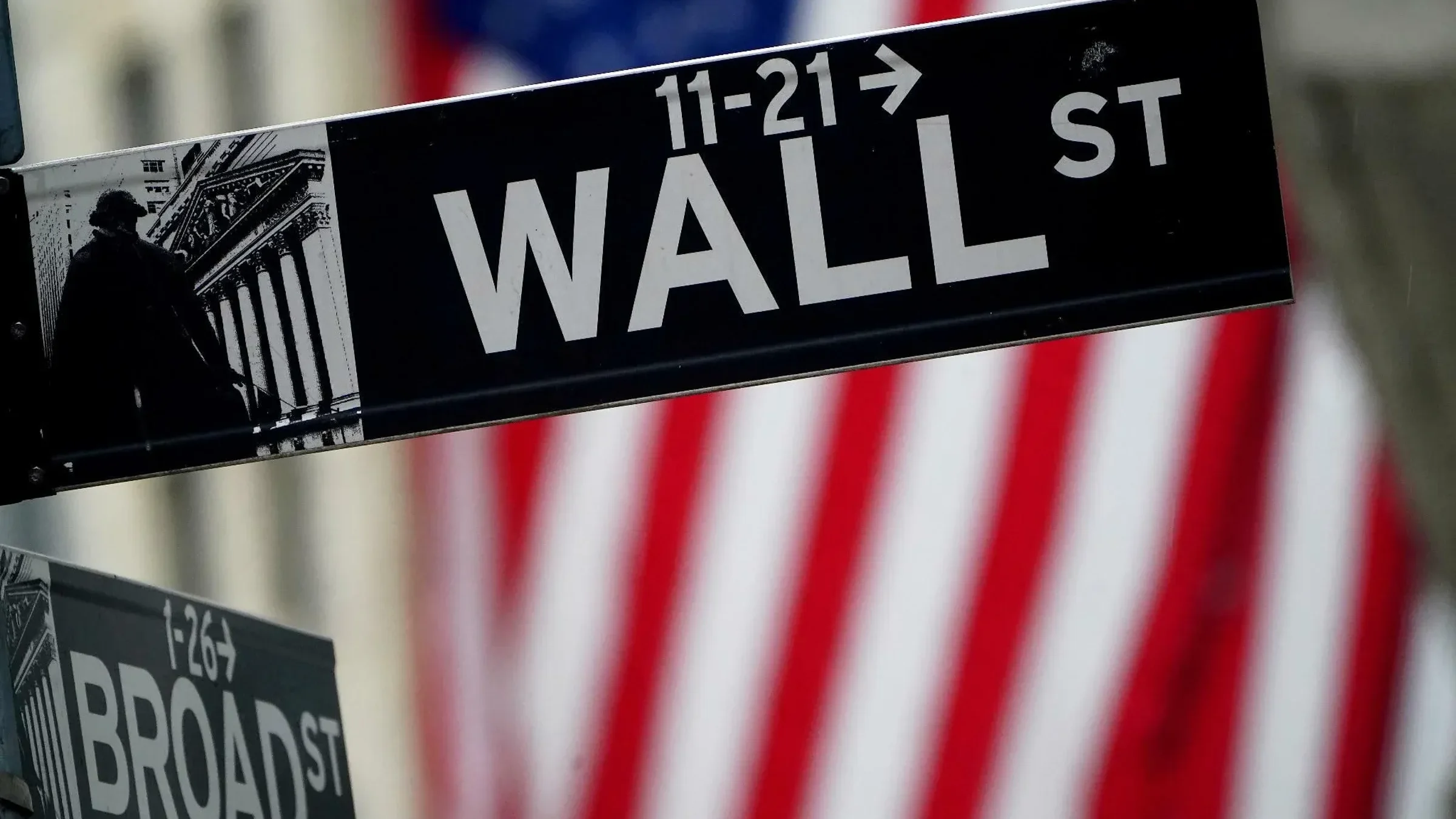
The start of the new trading week saw a divergence in performance across U.S. stock markets. While the apparent de-escalation of the nearly two-week series of exchanges between Iran and the United States provided a degree of uplift to Wall Street on Monday, investors adopted a cautious stance ahead of crucial corporate earnings reports from major technology firms and an anticipated interest rate decision from the U.S. Federal Reserve. This cautious sentiment contributed to a mixed opening, with some sectors finding support while others experienced headwinds.
Geopolitical Relief and Market Hesitation
The recent period of heightened tension between Iran and the United States, characterized by reciprocal strikes, had cast a shadow over global markets. The perceived winding down of this conflict, as reported by various news outlets, offered a welcome respite, alleviating immediate geopolitical risk premiums. This reduction in uncertainty typically translates into increased investor confidence and a willingness to engage in riskier assets, such as equities.
However, this positive momentum was tempered by significant upcoming events that held considerable sway over market sentiment. The release of quarterly earnings from a roster of influential technology giants, including Apple, Microsoft, and Alphabet (Google’s parent company), was a primary concern. These reports are closely scrutinized not only for their individual performance but also for their collective impact on the broader technology sector and the overall economy, given the outsized role of these companies in market capitalization. Investors were keenly awaiting any indications of slowing growth, margin pressures, or shifts in consumer and enterprise spending that could signal a broader economic slowdown.
Furthermore, the U.S. Federal Reserve’s forthcoming monetary policy decision was a significant factor contributing to investor restraint. The Fed’s stance on interest rates, particularly in the context of persistent inflation and a dynamic economic landscape, has a profound impact on borrowing costs, corporate investment, and consumer spending. Any signals of a more hawkish or dovish approach could significantly alter the investment calculus for a wide range of assets. The anticipation of these dual catalysts – corporate earnings and monetary policy – led many market participants to adopt a "wait-and-see" approach, limiting aggressive trading activity.
Tech Sector Under Pressure Amidst Chip Industry Developments
The broader market’s mixed performance was particularly evident in the technology sector, which experienced notable weakness. The S&P 500 and the Nasdaq Composite indices both showed signs of faltering, primarily driven by negative price movements in several key technology corporations. The Nasdaq 100, a more narrowly focused index comprising the largest non-financial companies listed on the Nasdaq Stock Market, registered a decline of 0.3 percent.
This downturn was largely spearheaded by significant losses among semiconductor manufacturers. Companies like SanDisk and ASML, both critical players in the global chip supply chain, saw their stock prices fall. The Philadelphia Semiconductor Index, a benchmark for the semiconductor industry, experienced a more substantial decline of 2.2 percent, underscoring the widespread pressure within this vital sector.
The recent developments impacting the semiconductor industry appear to be rooted in a significant technological advancement emerging from China. A report by the online publication "The Information" revealed that a state-backed Chinese company, based in Shanghai, has commenced the production of specialized chip manufacturing machinery. These machines, reportedly utilizing Deep Ultraviolet (DUV) lithography technology, are slated for delivery within the current year.
The Rise of Chinese Semiconductor Equipment Manufacturing and its Implications
The emergence of a domestic Chinese manufacturer capable of producing advanced chip-making equipment represents a potentially significant shift in the global semiconductor landscape. Historically, this sophisticated segment of the industry has been dominated by a few key players, most notably the Dutch conglomerate ASML. ASML has held a leading position in the development and production of lithography machines, essential for etching intricate circuits onto silicon wafers, the fundamental process in semiconductor manufacturing.
The DUV lithography technology, while not the most advanced (Extreme Ultraviolet or EUV lithography is considered more cutting-edge), is still crucial for producing a wide range of semiconductors, including those used in high-performance computing and advanced graphics, such as those developed by Nvidia. ASML’s dominance in this market has been a cornerstone of its business and a critical factor in the global supply chain for advanced chips.
The prospect of Chinese competition in this specialized area carries significant implications. For ASML, it represents a direct threat to its market share and technological leadership. The company’s stock price reflected this concern, falling by 6.9 percent during the trading session. The development could also signal a broader push by China to achieve greater self-sufficiency in semiconductor production, reducing its reliance on foreign technology and potentially altering global trade dynamics in this strategic sector.
Broader Economic Context and Market Drivers
Beyond the specific concerns within the tech sector, the broader market environment is shaped by a confluence of factors. The price of WTI (West Texas Intermediate) crude oil, a key benchmark for global energy prices, experienced a decline at the start of the week. Fluctuations in oil prices can have ripple effects across various industries, influencing transportation costs, manufacturing expenses, and consumer spending on fuel.
Adding to the market’s complexity are the persistently high yields on long-dated U.S. Treasury bonds. High bond yields can be indicative of several economic conditions, including expectations of future inflation or increased government borrowing. From an investment perspective, higher bond yields can make fixed-income investments more attractive relative to equities, potentially drawing capital away from the stock market. Markus Koch, a market analyst, noted the "strikingly high level" of these yields as a noteworthy observation in the current economic climate.
The Federal Reserve’s monetary policy continues to be a central theme. As the central bank navigates the delicate balance between controlling inflation and fostering economic growth, its decisions regarding interest rates are closely watched. Any indication that the Fed might maintain higher interest rates for a longer duration could further dampen investor enthusiasm for riskier assets and continue to support the appeal of bonds. Conversely, any signs of a pivot towards easing monetary policy could provide a boost to equity markets.
The Path Forward: Earnings, Fed, and Geopolitical Stability
The coming days and weeks will be critical for U.S. financial markets. The earnings reports from major technology companies will provide essential insights into the health of corporate America and the broader economic outlook. Investors will be dissecting these reports for any signs of resilience or vulnerability.
The Federal Reserve’s upcoming monetary policy announcement will offer clarity on the future path of interest rates, a crucial factor for investment strategy. The market’s reaction to these announcements will likely be significant, potentially driving substantial price movements.
Furthermore, the sustained de-escalation of geopolitical tensions between Iran and the U.S. will be closely monitored. While immediate relief was felt, any renewed flare-ups could quickly reintroduce volatility. The ongoing geopolitical landscape remains a background factor that can influence investor sentiment and risk appetite.
The development of China’s domestic semiconductor equipment manufacturing capabilities also warrants continued attention. This trend could have long-term implications for the global semiconductor industry, potentially leading to shifts in supply chains, technological innovation, and market competition. The ability of companies like ASML to adapt to this evolving landscape will be a key determinant of their future success.
In conclusion, the U.S. stock market is navigating a complex environment characterized by the easing of immediate geopolitical fears, but also by significant upcoming economic data and corporate events. The performance of the technology sector, particularly semiconductor manufacturers, will be a key indicator of broader market sentiment and economic health. Investors remain poised, awaiting definitive signals that will shape market direction in the near to medium term.
