

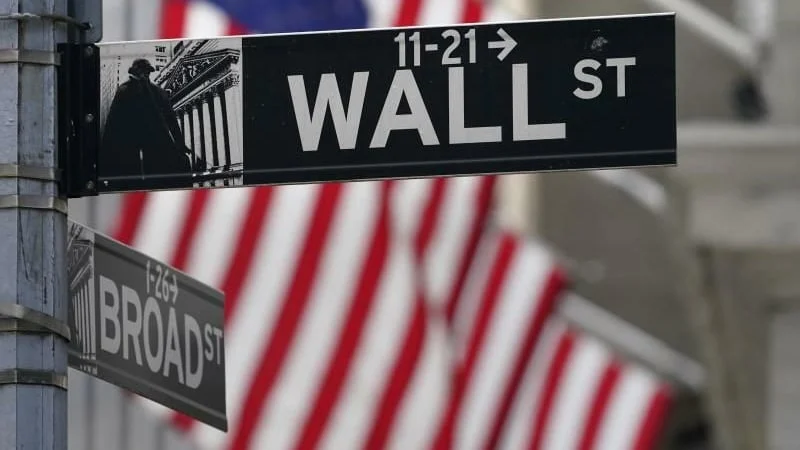
New York – Investors in the United States are commencing the new trading week with a degree of caution, as major stock indices registered declines in early trading on Tuesday. This subdued market sentiment follows a brief hiatus on Monday due to the Labor Day holiday, leaving a relatively light calendar of market-moving events for Tuesday. Similar to trends observed in European markets, persistently rising energy prices are contributing to a tempering of investor optimism.
Week Kicks Off with Downward Trend Amidst Economic Headwinds
The early hours of Tuesday’s trading session saw the key U.S. stock market indices dipping into negative territory. This follows a day where Wall Street remained closed in observance of Labor Day, a federal holiday. The absence of trading on Monday meant that the market’s reaction to recent economic data and global developments was deferred, manifesting in a more subdued opening. Analysts suggest that the immediate impact of the holiday closure combined with ongoing economic concerns is contributing to the cautious start.
The specter of rising energy costs, a persistent concern that has been impacting global economies, continues to weigh on the minds of American investors. This situation mirrors sentiments seen across the Atlantic, where European markets have also been grappling with the inflationary pressures stemming from elevated energy prices. The ongoing volatility in global energy markets, driven by a complex interplay of geopolitical factors, supply chain disruptions, and demand fluctuations, is a significant driver of this market apprehension.
Markus Koch, a financial commentator, noted the prevailing market conditions. "After the Labour Day weekend, the major U.S. indices have, for the most part, experienced slight declines in early trading. The yields on ten-year government bonds are holding steady at just under 4.8 percent, and oil prices continue to climb," he observed, highlighting the confluence of factors influencing market sentiment.
Inflation Data and Federal Reserve Policy to Dictate Market Direction
The coming days are poised to see monetary policy emerge as the dominant theme influencing trading dynamics in the U.S. markets. A crucial piece of economic data is scheduled for release this Friday: the U.S. Department of Labor will publish its initial estimates for August inflation. The most recent figures indicated that the inflation rate in the United States stood at 3.4 percent, a figure that continues to be closely monitored by policymakers and investors alike.
The persistent elevated inflation rates have placed significant pressure on the Federal Reserve to consider further policy tightening. Understanding the trajectory of inflation is paramount for the central bank as it calibrates its approach to interest rate policy. A higher-than-expected inflation reading could reinforce expectations of further rate hikes, while a moderation might suggest a pause or even a potential pivot in the future.
Federal Reserve’s Interest Rate Decision Looms Large
Adding to the anticipation, the Federal Reserve’s interest rate decision is slated for the following week. The market is currently divided on whether the monetary authorities will opt to increase interest rates further or maintain the current levels. This uncertainty is a significant factor contributing to the cautious trading environment.
Several members of the Federal Reserve’s policy-setting committee have, in recent public statements, signaled a leaning towards further rate increases, citing the persistent inflationary pressures. This hawkish sentiment, while not universally shared, has contributed to the ongoing debate about the future path of monetary policy.
Market Expectations Divided on Fed’s Next Move
The division of opinion extends to investors participating in futures markets. Currently, a slight majority anticipates a further adjustment in interest rates. This sentiment is reflected in data from the Chicago Mercantile Exchange’s Fed Watch Tool, which indicates that approximately 60 percent of investors are expecting the Federal Reserve to raise its benchmark interest rate to a range of 3.75 to 4.0 percent.
This expectation is based on the central bank’s dual mandate of maintaining price stability and promoting maximum employment. With inflation remaining above its target, the Fed faces the challenge of balancing these objectives. A rate hike would aim to curb inflationary pressures by increasing the cost of borrowing, thereby cooling demand in the economy. However, such a move also carries the risk of slowing economic growth and potentially impacting employment levels.
The prevailing market sentiment suggests a period of heightened sensitivity to economic data and central bank communications. Any deviations from current expectations regarding inflation or Fed policy could lead to significant market volatility in the coming weeks.
Background and Context: The Inflationary Environment
The current economic climate is characterized by a complex interplay of factors that have contributed to elevated inflation levels globally. The lingering effects of the COVID-19 pandemic, including supply chain disruptions and shifts in consumer demand, played a significant role in the initial surge of inflation. Furthermore, the ongoing conflict in Ukraine has exacerbated energy and food price volatility, adding another layer of complexity to the inflation outlook.
The Federal Reserve, like many other central banks, has been actively responding to these inflationary pressures through monetary policy adjustments. The series of interest rate hikes implemented over the past year represents a concerted effort to bring inflation back towards its target of 2 percent. However, the effectiveness and timing of these measures are subject to ongoing debate, and the lagged impact of monetary policy means that the full effects are yet to be realized.
Broader Economic Implications and Analyst Perspectives
The sustained high energy prices are not merely a concern for financial markets; they have tangible implications for consumers and businesses alike. Increased energy costs translate to higher prices for goods and services, potentially squeezing household budgets and impacting corporate profit margins. This can lead to reduced consumer spending and investment, creating headwinds for economic growth.
Analysts are closely watching for signs of a potential "soft landing," where the Federal Reserve manages to curb inflation without triggering a significant economic downturn. The upcoming inflation report and the Fed’s subsequent policy decisions will be critical in determining whether this scenario is achievable.
Some economists suggest that the current inflation is partly demand-driven, fueled by strong consumer spending supported by pandemic-era savings and fiscal stimulus. Others emphasize the role of supply-side constraints, arguing that resolving these issues is crucial for a sustainable reduction in price pressures.
The market’s cautious stance reflects this underlying uncertainty. Investors are weighing the risks of continued inflation against the potential for an economic slowdown stemming from aggressive monetary tightening. The coming weeks will be pivotal in shaping the market’s outlook as key economic data and policy signals emerge. The performance of U.S. equities, bond yields, and currency markets will likely be closely tied to these developments, offering insights into the evolving economic landscape. The ability of policymakers to navigate this complex environment will be a defining factor in determining the trajectory of the U.S. economy in the near to medium term. The focus remains squarely on inflation, the Federal Reserve’s response, and the broader implications for global economic stability.
