

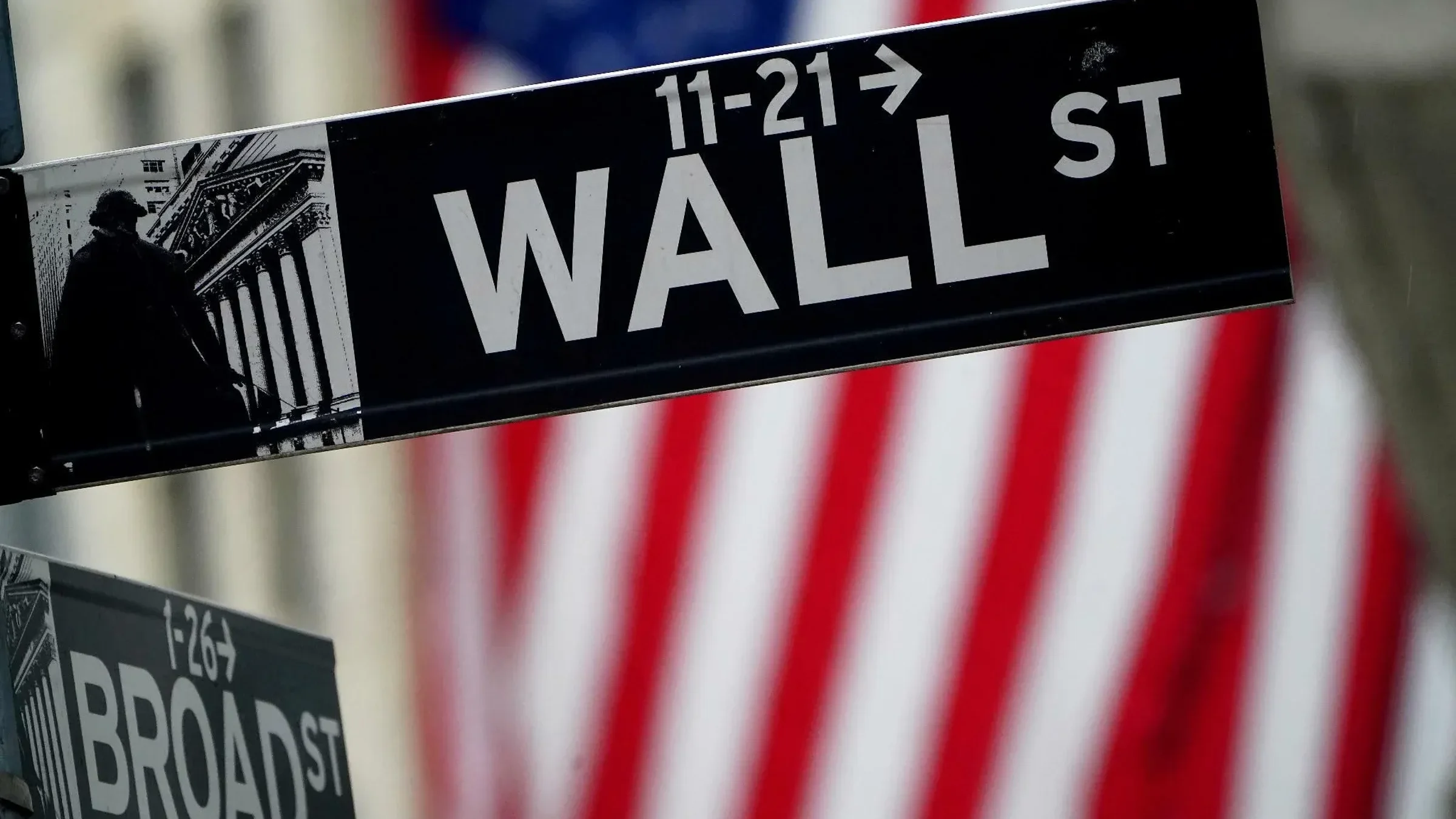
US investors displayed a cautious optimism on Wednesday, tentatively dipping back into the market following a recent sell-off in the technology sector. This renewed confidence appears to be fueled by the US Treasury’s significant intervention in the bond market, aiming to stabilize yields and, by extension, calm broader market anxieties. The Treasury announced it would double the volume of its Treasury buybacks, a move designed to directly counter the upward pressure on bond yields that had been weighing on financial markets.
The recent surge in Treasury yields had become a significant concern for market participants. Higher yields on government debt increase borrowing costs for corporations and governments alike, potentially hindering economic growth and investment. Furthermore, as bond yields rise, fixed-income securities become more attractive relative to other asset classes, such as equities, leading to a reallocation of capital away from stocks. This dynamic had created a challenging environment for investors seeking to balance risk and return.
Treasury’s Strategic Intervention: A Bid for Stability
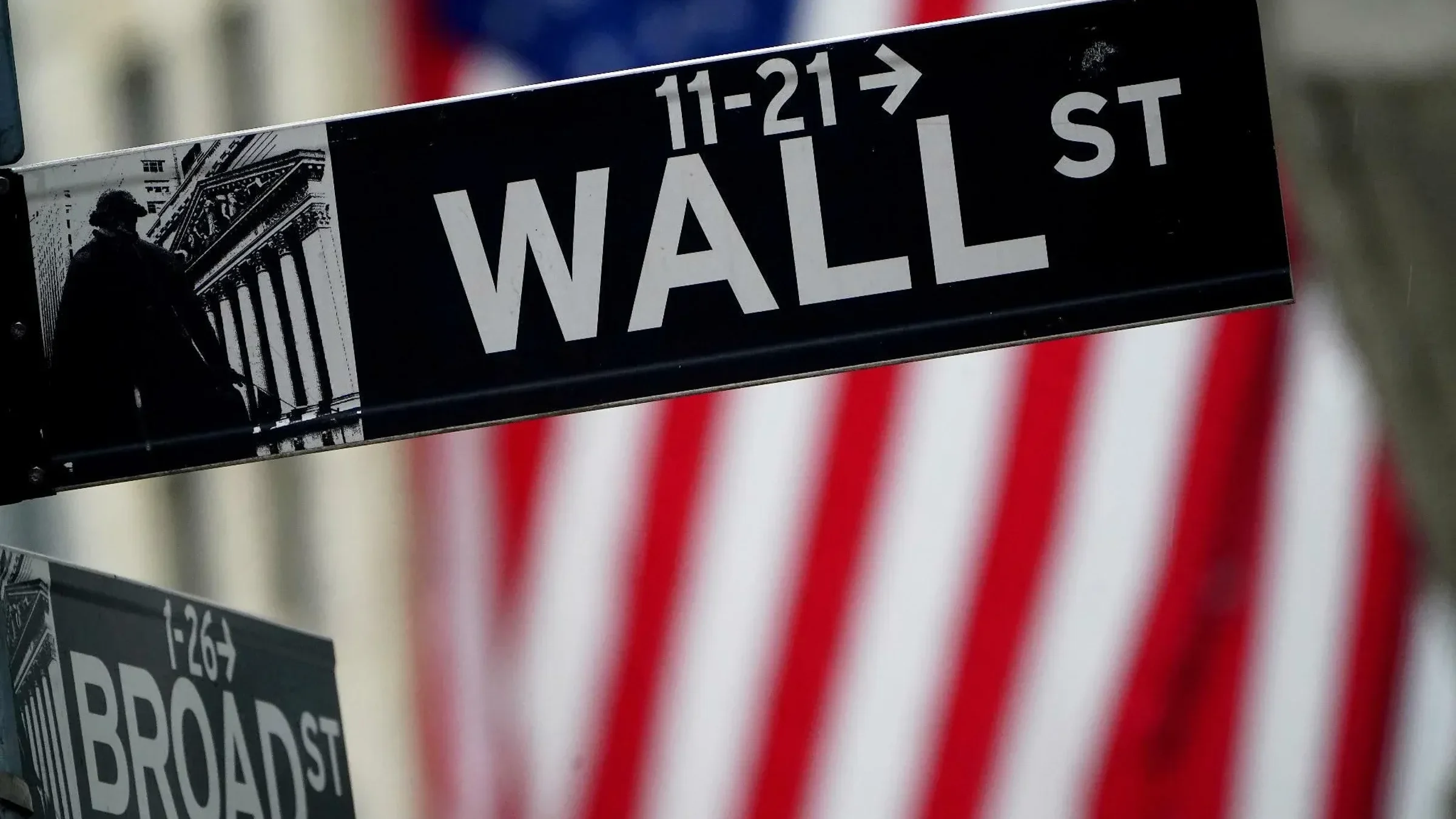
In response to these market pressures, the US Treasury Department revealed a substantial increase in its bond repurchase program. Financial Secretary Scott Bessent announced that the volume of Treasury buybacks would be doubled, escalating from an initial two billion dollars to a minimum of four billion dollars. This strategic move is intended to inject liquidity into the bond market, thereby driving up bond prices and, consequently, reducing their yields. The inverse relationship between bond prices and yields is a fundamental principle of fixed-income markets: as prices rise, yields fall, and vice versa.
The focus of this expanded buyback program is specifically on long-dated government bonds. The yield on 30-year US Treasury securities had recently reached a nearly 20-year high, trading at 5.34 percent. This significant increase underscored the market’s apprehension and the perceived risk associated with holding longer-term debt. In direct response to the Treasury’s announcement, these yields began to retreat, shedding nine basis points to stand at 5.2 percent by Wednesday. This immediate reaction signals the market’s sensitivity to such interventions and its expectation of a stabilizing effect.
A portfolio manager based in New York observed, "The yields on 30-year US Treasuries have broken out of their previous trading range to the upside. This has not only made investors nervous but also the Treasury Department." This sentiment was echoed by Hauke Siemson, a fixed-income strategist at Commerzbank, who commented, "The bond markets are showing tentative signs of stabilization."
The Broader Market Context: Equities vs. Bonds

The recent market volatility has highlighted a tug-of-war between the attractiveness of equities and the rising yields on government bonds. While the bond market has experienced significant price declines and yield increases, equity markets have seen a shift in investor sentiment. Data from Bank of America’s monthly fund manager survey for August indicated a strong inclination towards equities. A remarkable 56 percent of respondents reported allocating more capital to stocks than their own investment rules would typically dictate, marking the highest level of such behavior since the end of 2021.
This aggressive positioning in equities suggests that professional investors believe there is limited room for further downside in the stock market, or that the potential for gains outweighs the perceived risks. However, this enthusiasm is not without its cautionary notes. Jochen Stanzl, Chief Market Analyst at Consorsbank, warned that investors are currently paying a significant premium for S&P 500 stocks, with the price-to-earnings ratio reaching 20 times annual corporate earnings. Stanzl emphasized that such a valuation is only sustainable if corporate earnings grow by an ambitious 25 to 30 percent. Should this projected growth fail to materialize, there would be considerable room for disappointment, potentially triggering another wave of selling pressure in the equity markets.
Adding to the complexity of the market landscape is the immense capital demand from large corporations, particularly those in the artificial intelligence (AI) and broader technology sectors. Jürgen Molnar, a capital market expert at Robomarkets, noted that these companies are increasingly tapping into the debt markets to finance their multi-billion dollar AI investments. This surge in corporate bond issuance creates a larger pool of investment opportunities for investors, potentially increasing competition for capital and exerting upward pressure on the yields of all types of bonds, including government debt. Higher interest rates, in turn, disproportionately affect highly valued technology and AI stocks, creating a feedback loop of market pressure.
Commodities and Cryptocurrencies Show Upward Momentum

Beyond the fixed-income and equity markets, other asset classes have also experienced notable movements. Cryptocurrency prices have seen a significant rebound. As of Wednesday afternoon, Bitcoin, the world’s oldest and most prominent cryptocurrency, was trading at just under $68,450, representing a nearly six percent increase compared to the previous day, according to Coinmarketcap. This surge marks its highest level since early June, indicating renewed investor interest in digital assets.
Ethereum, the second-largest cryptocurrency, has mirrored this upward trend, with its price reaching up to $2,100. This valuation is comparable to levels seen at the end of May, suggesting a broader recovery across the cryptocurrency market.
Commodity prices have also continued their ascent, driven by geopolitical tensions. Brent crude, a benchmark for global oil prices, saw its October delivery futures rise by one percent to nearly $92 per barrel. This marks the highest price point since mid-July. Similarly, US West Texas Intermediate (WTI) crude for September delivery increased by 0.9 percent, trading at approximately $86 per barrel. The heightened tensions surrounding the conflict in Iran are widely believed to be a primary catalyst for this upward movement in oil prices.
Adding to the complexity of the geopolitical situation, US President Donald Trump stated on Tuesday that no direct negotiations with Iran were currently underway. He also emphasized that the Strait of Hormuz remains open, directly contradicting Iran’s claims that the vital waterway had been closed. These conflicting narratives and the escalating geopolitical risks have created a more volatile environment for oil markets.

June Goh, Chief Analyst at Sparta Commodities, commented on the situation, stating, "The risks for shipping are increasing again." However, Goh also noted that producers in the Gulf region are exploring alternative export routes to transport oil to the Gulf of Oman. "If this becomes established, production that has been shut down could rise again," she added, suggesting that the immediate impact on supply might be mitigated.
Federal Reserve’s Inflation Concerns Come to Light
Minutes from the US Federal Reserve’s July meeting revealed a growing concern among its members regarding inflation. The report, released on Wednesday, indicated that several monetary policymakers were prepared to raise interest rates. This sentiment was particularly pronounced during the July 28-29 meeting, the second under the leadership of then-new Fed Chair Kevin Warsh.
The minutes disclosed that a significant number of policymakers believed a rate hike would be necessary if inflation did not recede towards the Fed’s target of two percent. During that meeting, the Federal Reserve maintained its benchmark interest rate within the range of 3.50 to 3.75 percent. However, three of the twelve voting members of the Federal Open Market Committee (FOMC) advocated for a quarter-percentage-point increase.

Those who favored an interest rate hike expressed concerns that price pressures appeared to be broad-based. They argued that the committee responsible for monetary policy needed to adopt a more restrictive stance to prevent the risk of "a steeper and potentially more costly sequence of tightening measures at a later date." This internal debate within the Fed underscores the ongoing challenges in balancing economic growth with inflation control.
Market Movers: Individual Stock Performance
The market also witnessed significant movements in individual stock performances across various sectors:
-
Pharmaceuticals: A successful study by Moderna and Merck concerning a melanoma vaccine led to substantial gains for both companies. Moderna’s shares surged by an impressive 177 percent, while its study partner, Merck & Co., saw its stock climb by over twelve percent. US-listed shares of Biontech and Novavax also experienced significant upticks, rising by 22 percent and nearly eleven percent, respectively. This success highlights the potential for groundbreaking medical advancements to significantly impact company valuations.

-
Target: The US retailer’s shares rose by more than four percent following strong quarterly earnings and an upward revision of its annual profit forecast. This performance indicates a positive outlook for the retail sector, potentially driven by resilient consumer spending.
-
Estée Lauder: The cosmetics giant’s shares jumped by nearly fifteen percent on the back of an optimistic business outlook. The company, which owns popular brands like Clinique and M.A.C., appears to have successfully navigated market challenges and is projecting robust future performance.
-
Marvell Technologies: The company’s stock saw an increase after announcing its involvement in the development of custom chips for Google. Marvell will be contributing to the creation of highly sought-after, tailor-made chips for the search engine giant, a collaboration that also grants Google the option to acquire a stake valued at potentially $12.2 billion. This partnership signifies a significant step forward in the competitive landscape of chip manufacturing and AI development.
The recent market activity, characterized by cautious investor re-entry, strategic government intervention, and divergent performance across asset classes, paints a complex picture of the current economic environment. While the Treasury’s actions aim to provide a stabilizing influence, the underlying concerns about inflation, corporate valuations, and geopolitical risks continue to shape investor sentiment and market dynamics.

This report was compiled with material from Reuters and Bloomberg.
