

United Airlines finds itself in an unprecedented logistical quandary, with hundreds of high-value, lie-flat premium seats gathering dust in storage as the highly anticipated Boeing 737 MAX 10, for which they were specifically designed, continues to face protracted certification delays from federal regulators. This predicament highlights the profound operational and financial ripple effects that manufacturing and regulatory setbacks at Boeing have on its major airline customers, forcing strategic pivots and substantial re-evaluations of long-term fleet and route planning.
The saga traces back to August 2018, when Scott Kirby, then president and now the influential CEO of United Airlines, enthusiastically unveiled ambitious plans at an aviation conference in Denver. He outlined a vision for the new Boeing 737 MAX 10, the largest variant in the bestselling 737 MAX family, to be outfitted with cutting-edge lie-flat, premium seats. These aircraft were slated to spearhead a new era of profitable, transcontinental routes, offering an elevated passenger experience that would command higher fares and solidify United’s competitive position. The expectation at the time was for these state-of-the-art aircraft to commence flying in 2020, seamlessly integrating into United’s expanding domestic network.
However, that optimistic timeline proved to be dramatically off course. The certification process, which should have been completed more than six years ago, remains far behind schedule. The indefinite hold has left United with a significant inventory of bespoke aircraft interiors designed exclusively for the MAX 10. "We got a bunch of lie-flat seats that we don’t know what to do with," Kirby candidly admitted during a recent interview at Newark Liberty International Airport, underscoring the acute challenge. "They don’t fit on other airplanes." This stark reality encapsulates the substantial capital tied up in unusable assets and the lost revenue opportunities from routes that were meant to be serviced by these premium-configured aircraft.
The Genesis of Delays: Boeing’s MAX Crisis and Enhanced Scrutiny
The protracted delays plaguing the 737 MAX 10, as well as its smaller sibling, the recently certified 737 MAX 7, are deeply rooted in the catastrophic events of late 2018 and early 2019. The crashes of Lion Air Flight 610 in October 2018 and Ethiopian Airlines Flight 302 in March 2019, which claimed a total of 346 lives, led to an unprecedented global grounding of the entire 737 MAX fleet. Investigations revealed a critical flaw in the Maneuvering Characteristics Augmentation System (MCAS) software, designed to prevent stalls, which repeatedly pushed the aircraft’s nose down based on faulty sensor data.
The subsequent 20-month grounding, lifted by the Federal Aviation Administration (FAA) in November 2020 after extensive software updates, revised pilot training protocols, and rigorous safety reviews, fundamentally reshaped the landscape of aircraft certification. The FAA, along with international regulators, adopted a far more stringent and meticulous approach, scrutinizing every aspect of new aircraft designs and production processes. This heightened regulatory environment, coupled with ongoing design challenges, directly impacted the certification timelines for the remaining MAX variants.
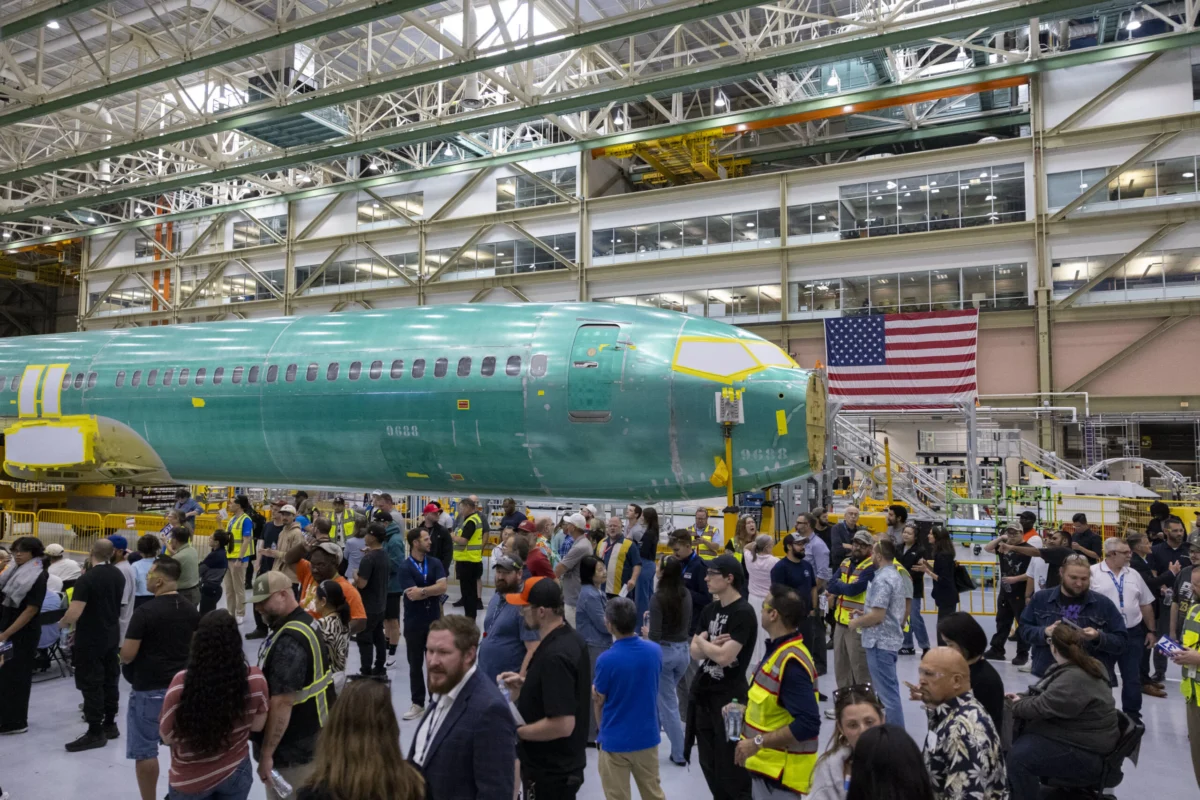
For the MAX 7 and MAX 10, specific issues emerged, including a necessary redesign of the anti-icing system. This particular system required modifications to meet enhanced safety standards that were established in the wake of the grounding. Beyond specific technical fixes, Boeing has also been under immense pressure to address systemic issues within its manufacturing and quality control processes. The original article, with its reference to "years of safety and manufacturing crises," broadly acknowledges a period of intense scrutiny over Boeing’s production integrity, exemplified by various incidents and audit findings that have further complicated new aircraft certifications. The opening ceremony for Boeing’s new North Line assembly line in Everett, Washington, on July 10, 2026, intended to boost 737 MAX production, ironically highlights the company’s efforts to move forward even as certification hurdles persist for key variants.
United’s Strategic Response and the A321neo Pivot
Faced with the mounting uncertainty surrounding the MAX 10, United Airlines has been compelled to adapt its fleet strategy. The airline’s initial plans for the Boeing 737 MAX 10 predated its decision to even offer a premium economy section across its fleet, underscoring how significantly the market and United’s own product strategy have evolved during the delay period. The industry has seen an intensified "race to add high-yielding seating" on planes, recognizing the substantial revenue contribution from premium cabins compared to standard economy. These higher-margin seats are critical for profitability, especially on lucrative transcontinental and international routes.

In a proactive move to mitigate the impact of the MAX 10 delays, United recently pivoted by outfitting a subfleet of its Airbus A321neo narrow-body aircraft with new premium interiors. This "Coastliner" subfleet now features 20 of United’s newly designed Polaris suites (typically found on long-haul wide-body aircraft), alongside enhanced premium economy options and other updated seats. These aircraft are now specifically deployed on transcontinental routes, offering the premium experience originally envisioned for the MAX 10. This strategic shift allows United to capture some of the high-yield revenue it would have otherwise foregone, maintaining competitiveness against rivals who have already modernized their premium domestic offerings.
However, this solution is not without its own set of challenges. The custom-designed lie-flat seats intended for the Boeing 737 MAX 10 are incompatible with the Airbus A321neo due to differing dimensions, structural requirements, and certification standards for interior components. This fundamental incompatibility is why United’s MAX 10 seats remain in storage, representing a stranded investment. The decision on what the interiors of the eventually delivered MAX 10s will look like remains an open question for United, as the airline will need to determine if its initial 2018 vision still aligns with its current market strategy and passenger expectations, or if a fresh approach will be required.
The MAX 7’s Journey and the Path Ahead for the MAX 10
A glimmer of progress in the MAX family’s long certification journey came "earlier this month" (referring to August 2026, given the article’s implied timeline) when Boeing secured FAA approval for the 737 MAX 7, the smallest model in the family. This marked a significant milestone, with a major customer, Southwest Airlines, now expecting to begin flying these aircraft sometime in the first half of 2027. The MAX 7’s certification process, while arduous, provided a template for the remaining hurdles facing the MAX 10, particularly regarding the anti-icing system redesign.
Despite the complexities and the ongoing scrutiny, both Boeing and many of its key customers, including United, reportedly expect the company to win federal approval for the MAX 10 soon. This expectation suggests that the critical technical issues are nearing resolution and that Boeing is making progress in satisfying regulatory demands. United Airlines, holding a substantial order for 167 of these aircraft according to its most recent quarterly filing, anticipates receiving its first Boeing MAX 10s in the summer of 2027. This timeline, while significantly delayed from the original 2020 projection, provides a concrete target for the airline’s long-term fleet planning.
Broader Implications and Industry Outlook
The prolonged certification process for the 737 MAX 10 carries significant implications for both Boeing and the broader aviation industry. For Boeing, the delays represent continued financial strain, reputational damage, and a test of its ability to deliver on commitments in a post-crisis regulatory environment. The company’s massive backlog for the MAX 10, estimated to be over 1,000 aircraft globally, means that every delay has a cascading effect on dozens of airlines relying on these jets for fleet modernization and expansion. The pressure on Boeing to demonstrate impeccable safety and quality control throughout its production system remains paramount, especially following recent high-profile manufacturing incidents that have intensified regulatory and public oversight.
For United Airlines, the situation underscores the inherent risks in tying fleet modernization plans too closely to a single manufacturer or a yet-to-be-certified aircraft model. The substantial investment in bespoke interior components that cannot be easily reallocated highlights the financial penalties of such delays. Beyond the immediate costs, there are missed revenue opportunities from premium routes and the operational complexities of managing an evolving fleet strategy. The pivot to the Airbus A321neo, while a pragmatic solution, also reflects a broader trend among airlines to diversify their fleet orders and reduce dependence on any single aircraft manufacturer, fostering greater resilience against unforeseen delays.
The entire episode serves as a powerful reminder of the rigorous and often unpredictable nature of modern aircraft certification. The FAA’s heightened vigilance, born from the tragic MAX crashes, has irrevocably altered the pathway for new aircraft variants, prioritizing safety above all else. While this ensures the highest standards of airworthiness, it also introduces extended timelines and increased costs for manufacturers and, by extension, airlines. As United Airlines awaits its MAX 10s, the aviation world watches closely, hoping that the final certification will not only bring these much-anticipated aircraft into service but also signify a definitive return to stability and predictability for Boeing’s commercial aircraft programs. The eventual integration of the MAX 10 will be a crucial step in United’s ongoing strategy to enhance its premium offerings and expand its lucrative transcontinental network, finally putting those carefully stored lie-flat seats to their intended, profitable use.
