

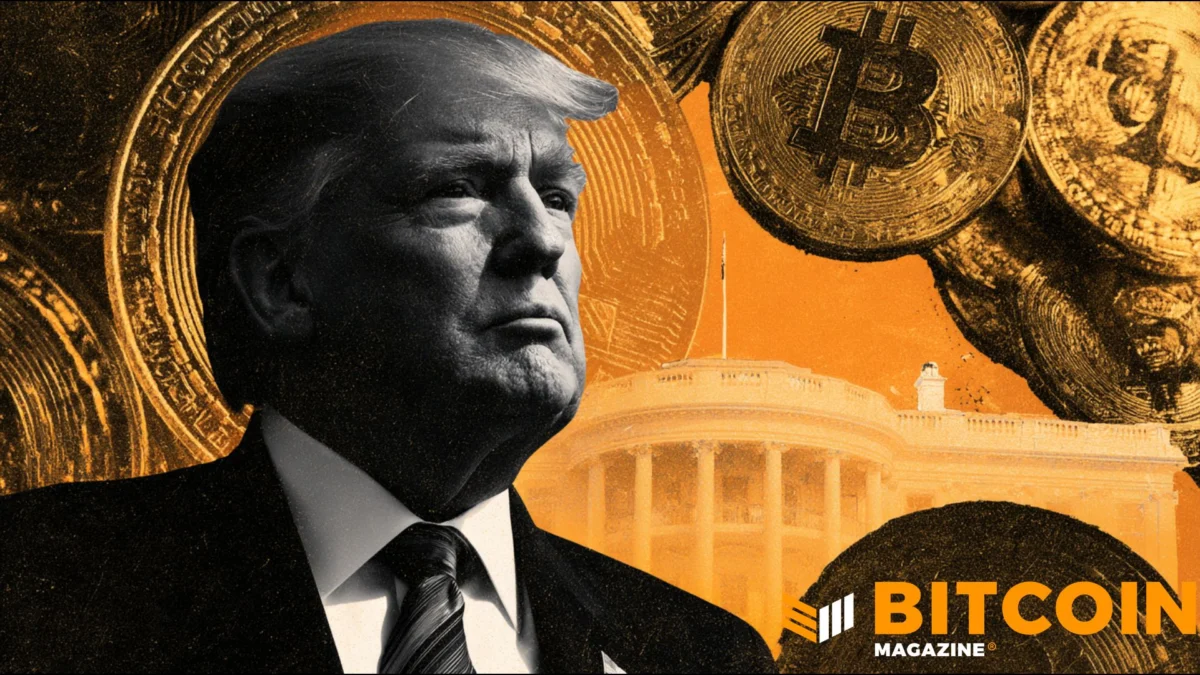
Washington D.C. – In a significant development for the burgeoning digital asset industry, U.S. President Donald Trump has publicly urged lawmakers to expedite the passage of the Clarity Act, a pivotal piece of legislation designed to establish a comprehensive regulatory framework for cryptocurrencies. The President’s remarks, made following a meeting with prominent cryptocurrency executives at the White House, also included a notable hint that the U.S. government may be considering accumulating Bitcoin, a move that could have far-reaching implications for both the domestic economy and the global financial landscape.
The Clarity Act, which aims to delineate the classification of digital assets as securities, commodities, or payment stablecoins, was originally slated for a vote in the House of Representatives in August. However, legislative proceedings have been rescheduled, with a vote now anticipated in September. This delay has been attributed to ongoing discussions and potential amendments, including those addressing ethical concerns surrounding government officials’ involvement in the crypto market.
President Trump articulated his strong support for the Clarity Act, framing its passage as crucial for maintaining American leadership in the rapidly evolving technological sector. "We’re ensuring that America remains the undisputed leader in not only Bitcoin and crypto, but also technologies like prediction markets, artificial intelligence and much more," President Trump stated. He emphasized the strategic importance of this legislation, adding, "Now we need Congress to take the next step by passing the Clarity Act – a fair version of the Clarity Act – and this landmark structure legislation. It’s a very, very powerful structured legislation which will keep us ahead of China, and keep us ahead of everyone else."
The President’s comments regarding the potential for U.S. government acquisition of Bitcoin generated considerable attention. When directly questioned about the possibility of the United States accumulating substantial amounts of Bitcoin, President Trump responded, "It’s been talked about – it’s taken a lot of pressure off the dollar, it’s been very, very good for the dollar, and I think if [regulators] came in with recommendations, I would certainly listen." This statement suggests a willingness on the part of the administration to explore the strategic benefits of holding Bitcoin, particularly in its potential to alleviate pressure on the U.S. dollar.
This stance marks a notable evolution in the administration’s public engagement with cryptocurrencies. While President Trump signed an executive order last year to establish a strategic Bitcoin reserve, this order primarily addressed the management of Bitcoin seized during law enforcement operations and did not commit the government to active purchasing. The existing order stipulates that any acquired Bitcoin cannot be sold, underscoring a custodial rather than a speculative approach. However, the President’s recent public endorsements of Bitcoin, including a remark last week to Punchbowl News about people increasingly using Bitcoin without awareness of traditional cash, indicate a growing appreciation for the asset’s utility and adoption.
Background and Chronology of the Clarity Act
The journey of the Clarity Act through the legislative process has been complex, reflecting the multifaceted challenges of regulating a novel and rapidly evolving industry. The bill, which seeks to provide much-needed regulatory clarity for the digital asset market, first gained significant traction last year.
- Previous House Passage: The Clarity Act successfully passed the House of Representatives in the previous legislative session, signaling initial bipartisan support for its objectives.
- Lobbying and Industry Clashes: However, upon entering the Senate and subsequent stages of negotiation, the bill encountered significant headwinds. A key point of contention emerged from the banking lobby, which reportedly clashed with lawmakers and cryptocurrency businesses over specific provisions. A central debate revolved around whether platforms like Coinbase should be permitted to offer interest-bearing accounts or "yield" to customers on their digital asset holdings. This issue touches upon fundamental questions of consumer protection, financial stability, and the definition of financial services within the crypto ecosystem.
- Ethical Amendments: Further complicating the legislative path, some lawmakers have proposed amendments focused on ethics. In July, a new bill began circulating that aims to prohibit government officials from promoting or profiting from cryptocurrency investments. This initiative reflects a broader concern within government circles about potential conflicts of interest and the ethical implications of policymakers engaging with the digital asset market.
- Accusations of Political Delay: The ongoing deliberations have not been without political tension. Several pro-crypto Republicans have accused Democrats of intentionally delaying the bill’s progress, suggesting that political maneuvering rather than genuine policy concerns is at play. This highlights the polarized environment in which digital asset regulation is being debated.
- Rescheduling of Vote: The decision to move the vote from August to September underscores the continuing negotiations and the need to address outstanding concerns before the legislation can proceed.
Key Provisions and Anticipated Impact of the Clarity Act
The Clarity Act’s core objective is to establish a clear and predictable regulatory environment for digital assets. Its proposed framework aims to categorize cryptocurrencies into distinct classes, which would then be subject to the purview of specific regulatory bodies.
- Classification of Digital Assets: The bill seeks to create a definitive system for classifying digital assets into three primary categories:
- Securities: Assets deemed to be securities would likely fall under the jurisdiction of the Securities and Exchange Commission (SEC), requiring compliance with existing securities laws.
- Commodities: Assets classified as commodities would typically be overseen by the Commodity Futures Trading Commission (CFTC).
- Payment Stablecoins: This category is crucial for the burgeoning stablecoin market. The bill aims to provide a regulatory pathway for stablecoins that are primarily used for payments, potentially establishing specific rules for their issuance, reserve requirements, and oversight.
- Regulatory Clarity for Businesses: By providing clear guidelines, the Clarity Act is expected to reduce regulatory uncertainty for businesses operating in the crypto space. This clarity could foster innovation, encourage investment, and attract more traditional financial institutions to engage with digital assets.
- Investor Protection: A well-defined regulatory structure is also intended to enhance investor protection. Clear rules regarding disclosure, market conduct, and asset classification can help mitigate risks for consumers and investors.
- Competitive Advantage: As President Trump articulated, the passage of the Clarity Act is viewed as a strategic imperative to ensure the United States maintains a competitive edge in the global digital economy. By establishing a robust and forward-looking regulatory framework, the U.S. aims to become a hub for digital asset innovation, attracting talent and capital.
U.S. Government’s Potential Bitcoin Accumulation: Strategic Considerations
The prospect of the U.S. government actively accumulating Bitcoin raises several strategic and economic questions. President Trump’s remarks suggest a rationale rooted in the potential benefits for the U.S. dollar.
- Diversification of Reserves: Historically, central banks and governments have held reserves primarily in fiat currencies and gold. The inclusion of Bitcoin in national reserves would represent a significant departure from this tradition. Proponents argue that Bitcoin’s decentralized nature, limited supply, and potential for store-of-value properties could offer a hedge against inflation and currency devaluation.
- Pressure on the Dollar: President Trump’s assertion that Bitcoin has "taken a lot of pressure off the dollar" and has been "very, very good for the dollar" is an intriguing statement. This could be interpreted in several ways:
- Alternative Store of Value: As Bitcoin gains traction as an alternative store of value, it may divert some speculative capital away from traditional assets, potentially stabilizing the dollar by reducing demand for foreign currencies or inflation hedges.
- Technological Leadership: By embracing and potentially holding Bitcoin, the U.S. could position itself as a leader in digital asset innovation, thereby enhancing the global appeal and influence of its own financial system and currency in the long term.
- Macroeconomic Hedging: In an era of increasing global economic uncertainty and potential shifts in the international monetary system, holding a diverse set of assets, including digital ones, could be seen as a prudent hedging strategy.
- Impact on Market Dynamics: Any significant government acquisition of Bitcoin would undoubtedly have a substantial impact on market dynamics. Increased demand from a major sovereign entity could drive up the price of Bitcoin, potentially affecting its volatility and accessibility for retail investors. Furthermore, such a move could legitimize Bitcoin further in the eyes of institutional investors and other nations.
- Logistical and Security Challenges: The practicalities of acquiring, storing, and managing a large quantity of Bitcoin present significant logistical and security challenges. This would require robust digital infrastructure, advanced cybersecurity measures, and clear protocols for governance and oversight.
Broader Context and International Implications
The U.S. administration’s focus on the Clarity Act and potential Bitcoin accumulation occurs against a backdrop of increasing global interest and regulatory activity in the digital asset space.
- Global Regulatory Landscape: Nations worldwide are grappling with how to regulate cryptocurrencies. Some, like El Salvador, have adopted Bitcoin as legal tender, while others, such as China, have implemented strict bans. The U.S. approach, aiming for a structured regulatory framework, could set a precedent for other developed economies.
- Competition with China: President Trump’s explicit mention of staying ahead of China underscores the geopolitical dimension of digital asset regulation. The race to develop central bank digital currencies (CBDCs) and establish leadership in blockchain technology is a key area of competition between the U.S. and China. A well-defined U.S. regulatory environment for private digital assets could complement its efforts in the CBDC space and enhance its overall technological competitiveness.
- Future of Finance: The ongoing evolution of digital assets and blockchain technology suggests a potential paradigm shift in the future of finance. The decisions made by major economic powers like the U.S. will play a critical role in shaping this future, influencing everything from payment systems and capital markets to monetary policy and international trade.
The coming weeks and months will be critical for observing the progress of the Clarity Act and for gaining further insight into the U.S. government’s intentions regarding Bitcoin. The interplay between legislative action, executive pronouncements, and market reactions will undoubtedly shape the trajectory of digital assets in the United States and beyond.
