

ISLAMABAD/ISTANBUL – A significant defense cooperation agreement was finalized this week, bringing together Turkey, Pakistan, Indonesia, and Qatar to bolster the strategic capabilities of the Mecca alliance, which includes Saudi Arabia. This multilateral pact, signed amidst a palpable surge in geopolitical instability across the Middle East, signals a concerted effort by key Muslim-majority nations to enhance their collective security architecture and deter potential aggressors. The agreement, details of which are still emerging, is understood to encompass joint military exercises, technology sharing, and coordinated defense procurement, aiming to create a more robust and integrated security framework in a region increasingly fraught with complex challenges.
The signing ceremony, held discreetly between October 21st and 23rd, 2026, underscored the growing alignment of strategic interests among these nations. While the specific operational details of the pact remain confidential, sources close to the negotiations indicate a strong focus on air and missile defense, maritime security, and counter-terrorism capabilities. This initiative represents a substantial expansion of the existing Mecca alliance, which has historically focused on economic and political cooperation among several Islamic nations. The inclusion of Pakistan and Indonesia, both significant military powers with considerable defense industrial bases, alongside Turkey’s advanced defense technology sector and Qatar’s substantial financial resources, creates a formidable bloc with enhanced deterrent potential.
Background and Context: A Shifting Geopolitical Landscape
The timing of this defense agreement is particularly noteworthy. The Middle East is currently navigating a complex web of regional rivalries, proxy conflicts, and the persistent threat of non-state actors. The recent escalation of hostilities in several theaters, coupled with evolving power dynamics, has created an imperative for like-minded nations to strengthen their cooperative security mechanisms. The pact can be viewed as a direct response to these evolving threats, seeking to create a more resilient defense posture independent of external security guarantees.
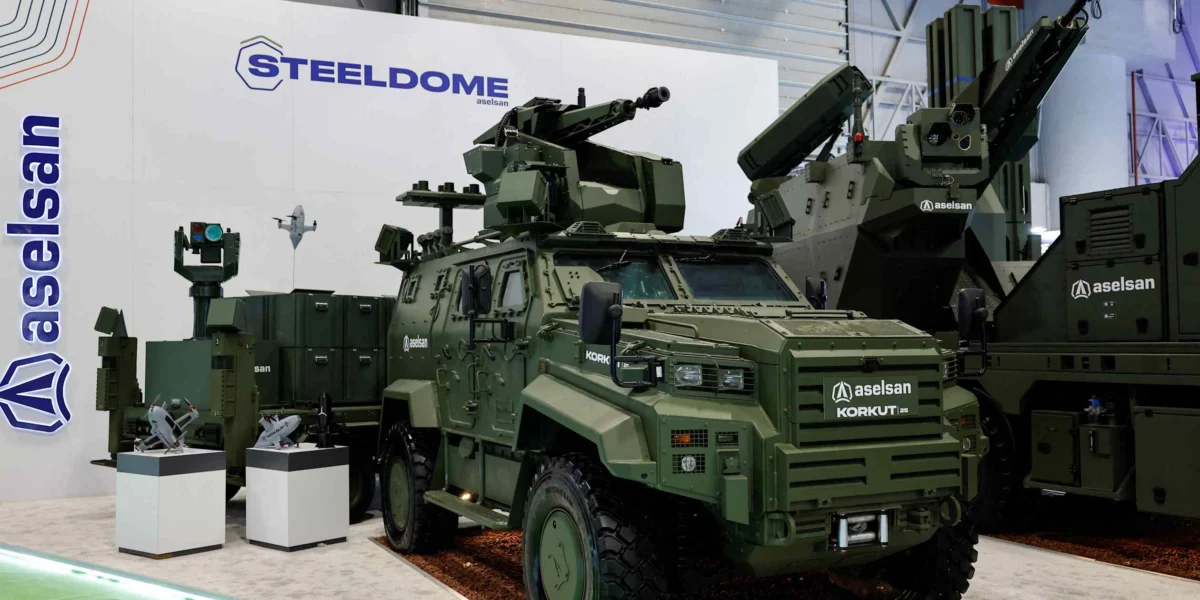
For years, the region has grappled with the fallout from protracted conflicts in Syria and Yemen, escalating tensions between Iran and its regional adversaries, and the persistent challenge of extremist ideologies. This new defense agreement appears to be a strategic recalibration, moving beyond ad-hoc responses to a more structured and proactive approach to collective security. The inclusion of Pakistan, a nation with a strong nuclear deterrent and significant experience in asymmetric warfare, adds a critical dimension to the alliance’s capabilities. Indonesia, with its vast archipelago and strategic location, brings maritime security expertise and a large, capable military. Turkey, a NATO member with a rapidly advancing defense industry, offers cutting-edge technologies in areas such as unmanned aerial vehicles (UAVs), electronic warfare, and integrated air defense systems, exemplified by its domestically developed "Steel Dome" and "Korkut" systems, which were recently showcased at defense exhibitions. Qatar, a significant economic player, provides the financial muscle to support ambitious joint projects and procurement initiatives.
A Chronology of Strategic Alignment
The groundwork for this expansive defense agreement was laid over several years through a series of bilateral engagements and multilateral dialogues.
-
2023-2024: Early Diplomatic Overtures and Consultations: Initial discussions regarding enhanced defense cooperation likely began in earnest during this period, driven by shared concerns over regional stability. High-level meetings between defense ministers and military chiefs from Turkey, Pakistan, Indonesia, and Qatar, often on the sidelines of international forums or during official state visits, would have been crucial in identifying common interests and potential areas of collaboration.
-
Early 2025: Formalization of Intent and Working Groups: Following successful initial consultations, formal expressions of intent to deepen defense ties would have been made. Joint working groups comprising defense officials, military strategists, and procurement specialists from the four nations would have been established to conduct detailed assessments of capabilities, identify specific interoperability requirements, and draft the framework for the agreement. This phase would have involved in-depth discussions on technology transfer, joint training protocols, and the establishment of shared intelligence frameworks.
-
Mid-2025 to Early 2026: Negotiation and Drafting of the Agreement: The core of the negotiation process would have taken place during this period. This would have involved intricate discussions on the scope of cooperation, the legal framework governing joint operations, intellectual property rights for shared technologies, and the financial commitments of each signatory. The inclusion of Saudi Arabia, as a key member of the broader Mecca alliance, would have necessitated consultations to ensure alignment and complementarity with existing Saudi defense initiatives.
-
October 2026: Finalization and Signing: The culmination of these efforts occurred in the week of October 21st, 2026, with the formal signing of the defense agreement. This event marks a significant step in translating strategic intentions into a concrete, actionable framework for enhanced security cooperation.
Supporting Data and Capabilities
The strategic value of this alliance is amplified by the individual defense capabilities of its members.
-
Turkey: A leader in drone technology, advanced naval systems, and integrated air defense. Its defense industry has seen significant growth, with companies like Aselsan playing a pivotal role in developing sophisticated systems like the Steel Dome, a multilayered integrated air and missile defense system, and the Korkut, a very short-range air defense system. Turkey’s proximity to volatile regions and its role in NATO provide it with extensive operational experience.
-
Pakistan: Possesses a robust nuclear deterrent, a well-trained conventional military, and a significant defense manufacturing sector, particularly in armored vehicles, aircraft, and missiles. Its strategic location and experience in counter-insurgency operations are invaluable assets. Pakistan’s defense exports have also been growing, indicating its increasing technological sophistication.
-
Indonesia: The largest archipelago nation, Indonesia has a strong focus on maritime security, naval power, and air defense. Its military is increasingly modernizing, with a growing emphasis on indigenous defense production and a strategic focus on securing its vast maritime domain. Indonesia’s commitment to regional stability is well-established.
-
Qatar: While not possessing a large military force, Qatar boasts substantial financial resources and a commitment to modernizing its armed forces with state-of-the-art equipment. Its strategic location and its role as a regional hub make its participation crucial for logistical support and potential funding of joint projects.
-
Saudi Arabia (as part of the Mecca Alliance): A major regional military power with significant investments in advanced military hardware and a strategic interest in maintaining regional security and stability. Its participation in the expanded alliance ensures a broader scope of cooperation and a more comprehensive approach to addressing common threats.
The synergy created by combining these diverse strengths is expected to yield significant advantages. For instance, joint procurement could lead to economies of scale, reducing costs for individual nations. Technology sharing agreements could accelerate the development and deployment of advanced defense systems, potentially closing critical capability gaps. Regular joint exercises will enhance interoperability, allowing forces to operate seamlessly together in complex operational environments.
Official Responses and Inferred Reactions
While official statements from the signatory nations have been measured, emphasizing the defensive and cooperative nature of the pact, the underlying sentiment suggests a strong commitment to collective security. Turkish defense officials have highlighted the agreement as a testament to Turkey’s growing role as a defense technology provider and a strategic partner in regional security. Pakistani defense circles have lauded the pact as a crucial step towards strengthening Pakistan’s defense posture and fostering greater strategic autonomy.
In Indonesia, the agreement is seen as a move to enhance national security and contribute to regional stability, aligning with its foreign policy of active and independent neutrality. For Qatar, this pact represents a strategic diversification of its security partnerships, reinforcing its commitment to regional peace and security through tangible cooperative measures.
While direct statements from Saudi Arabia regarding the specific details of this expanded pact are awaited, its implicit inclusion within the broader "Mecca alliance" framework suggests a tacit endorsement and a commitment to leveraging this enhanced cooperation for shared strategic objectives. It is logical to infer that Saudi Arabia views this development as a positive step towards a more self-reliant and coordinated regional security architecture, capable of addressing threats without undue reliance on external powers.
Broader Impact and Implications
The implications of this defense agreement are far-reaching and multifaceted.
-
Enhanced Deterrence: The consolidation of military capabilities and the promise of coordinated action will significantly enhance the collective deterrent posture of the signatory nations against potential state and non-state adversaries. This could lead to a more stable security environment in the Middle East, as potential aggressors face a more formidable and unified opposition.
-
Regional Power Balancing: The pact represents a significant shift in the regional power balance, creating a new axis of influence and cooperation. This could lead to a more multipolar regional order, where the security of nations is increasingly determined by their own collective strength and alliances.
-
Economic and Industrial Benefits: Increased defense cooperation will likely stimulate growth in the defense industries of Turkey and Pakistan, fostering technology transfer, joint ventures, and increased export opportunities. Indonesia’s defense sector will also benefit from this expanded collaboration. Qatar’s investment capacity can accelerate the development and acquisition of advanced military technologies for all partners.
-
Counter-Terrorism Efforts: The agreement’s focus on counter-terrorism is particularly relevant in a region plagued by extremist groups. Enhanced intelligence sharing, joint training, and coordinated operational planning can significantly improve the effectiveness of efforts to combat these threats.
-
Geopolitical Realignment: The pact underscores a growing trend of nations seeking to forge security partnerships based on shared interests and mutual trust, potentially reducing reliance on traditional global powers. This could lead to a more diversified and resilient global security landscape.
However, the success of this ambitious pact will hinge on the effective implementation of its provisions, sustained political will from all signatory nations, and the ability to navigate the inherent complexities of multilateral defense cooperation. The evolving geopolitical landscape of the Middle East demands such proactive measures, and this landmark agreement appears poised to play a crucial role in shaping the region’s security future.
