

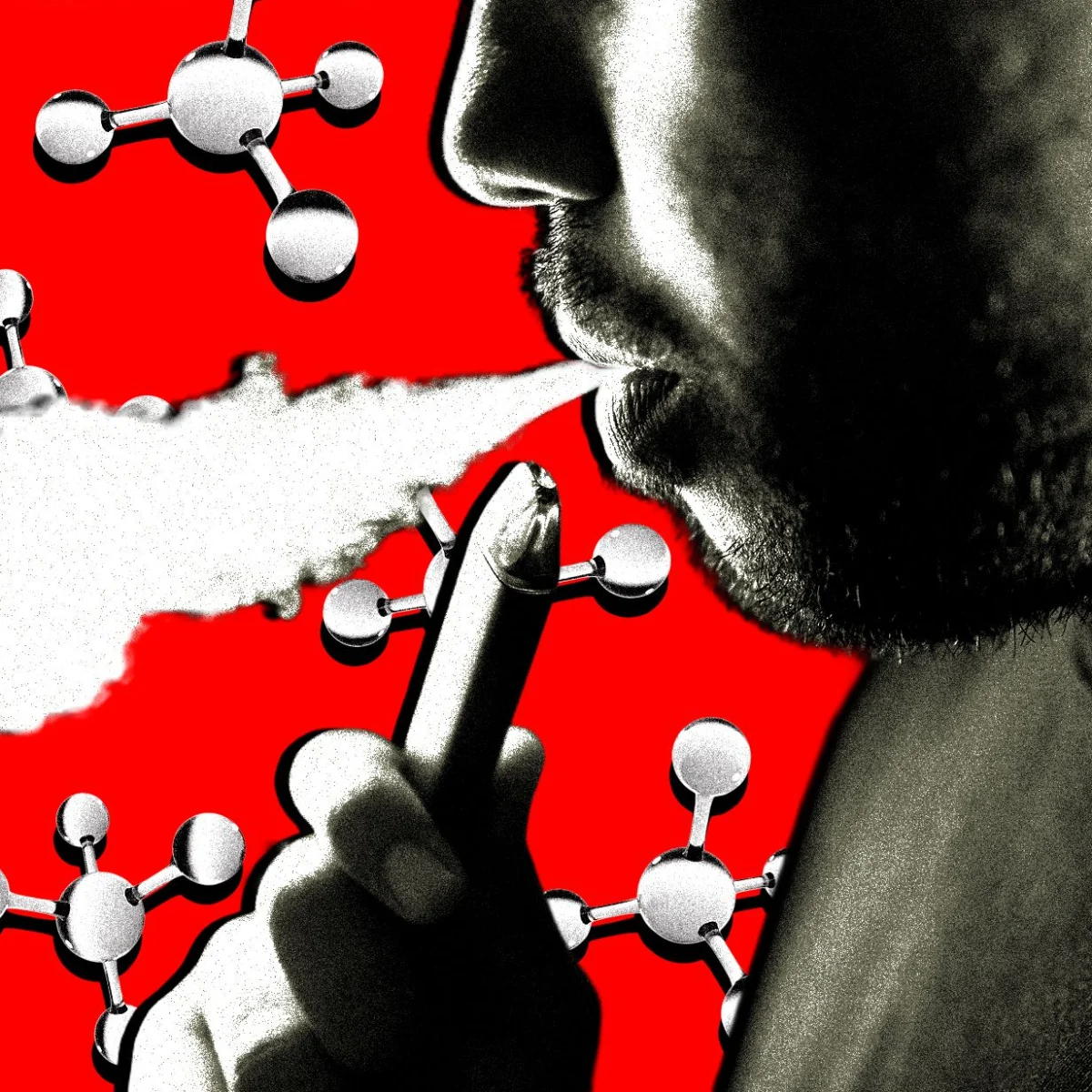
The allure of flavored vapes, manufactured in China’s so-called "Vape Valley" and readily available across the United States, has ensnared a growing number of consumers, including the author of this report. These products, largely operating in a legal gray area, represent a sophisticated effort by Chinese manufacturers to circumvent stringent U.S. tobacco regulations. While consumers may believe they are engaging with products containing synthetic nicotine, the reality is far more complex and potentially perilous, as these vapes increasingly utilize little-studied chemicals known as nicotine analogs.
The escalating prevalence of these unregulated vapes underscores a persistent cat-and-mouse game between international manufacturers and U.S. regulatory bodies. Despite periodic seizures by law enforcement and the Food and Drug Administration’s (FDA) ongoing efforts to restrict the market, billions of dollars continue to be generated from the sale of these flavored nicotine-containing products. The latest strategy involves a subtle yet significant shift in chemical composition, moving from synthetic nicotine to analogs that currently fall outside the FDA’s narrow definition of regulated nicotine.
The Rise of Nicotine Analogs
For years, vape manufacturers leveraged synthetic nicotine as a means to bypass FDA oversight, as federal regulations primarily focused on tobacco-derived nicotine. This loophole allowed a vast market to flourish, largely unchecked by traditional tobacco control measures. However, in 2022, Congress amended legislation to expand regulatory jurisdiction beyond tobacco-derived nicotine, encompassing synthetic forms as well. This legislative move was intended to close the existing gap.
Instead of ceasing operations, many Chinese manufacturers demonstrated remarkable adaptability. They pivoted to filling their vapes with nicotine analogs – compounds that mimic the physiological effects of nicotine but are not explicitly defined as nicotine under current federal law. This strategic maneuver effectively sidesteps the requirement for pre-market scientific review by the FDA, a process that new tobacco products must undergo to be legally marketed in the U.S.
Robert Jackler, an emeritus professor of head and neck surgery at Stanford University and founder of an interdisciplinary research group dedicated to studying tobacco advertising’s impact, characterizes this ongoing evasion as a "whack-a-mole" scenario. "These companies will do everything they can to circumvent regulation," Jackler stated, highlighting the persistent ingenuity of manufacturers seeking to exploit any available loophole.
Uncharted Chemical Territories: Health Risks and Regulatory Gaps
The implications of this shift are profound, particularly concerning public health. The long-term effects of nicotine analogs on human physiology remain largely unexamined. However, preliminary research, including animal studies, raises significant concerns. One of the most prevalent analogs found in these vapes, 6-methyl-nicotine, has been indicated in animal studies to be potentially more potent and addictive than traditional nicotine.
Further complicating the issue, a 2024 study revealed that some vapes containing nicotine analogs are not accurately labeled. The research found that these products often contain undisclosed ingredients, such as artificial sweeteners and cooling agents, whose inhalation risks are not yet understood. "What’s on the label has very little relationship to what’s in it," Jackler commented, underscoring the opacity of the market. This lack of transparency leaves consumers unknowingly exposed to a cocktail of chemicals with unknown health consequences.
The emergence of vapes containing nicotine analogs in the U.S. market was first documented approximately three years ago. However, the underlying chemical compounds are not new. Internal industry documents, some dating back to the 1970s, reveal that major tobacco companies had long been researching nicotine-like compounds. A 2005 review of these documents indicated that tobacco giants explored these chemicals as potential replacements for nicotine, partly in anticipation of future regulatory hurdles. Despite this historical interest, U.S. tobacco companies never brought mainstream products containing these analogs to market. Instead, these substances have resurfaced decades later, rebranded and distributed through disposable vapes manufactured by Chinese companies, which have proven exceptionally adept at navigating and exploiting the U.S. regulatory landscape.
A Global Game of Cat and Mouse
The success of Chinese vape manufacturers in penetrating the U.S. market is attributed to their agility and innovative approaches. Rich Marianos, a former official with the U.S. Bureau of Alcohol, Tobacco, Firearms and Explosives (ATF) and now executive director of the Tobacco Law Enforcement Network, acknowledges the "extremely creative" and "extremely smart" nature of these companies.
The scale of the issue has drawn attention from U.S. lawmakers. Senator Tim Sheehy (R-Montana) has expressed strong concerns, stating, "The Chinese have been flooding the American market with illegal vape products designed to target children for years. These fake nicotine products appear to be a new scheme to trick American consumers into putting illicit, potentially dangerous chemicals into their body." Sheehy advocates for continued efforts to address this problem, referencing the Trump administration’s stated priority in cracking down on unregulated Chinese products.
However, the effectiveness of federal enforcement has faced challenges. Jackler points to actions taken during the Trump administration that he argues significantly weakened regulatory capacity. Specifically, he notes the dismantling of the Centers for Disease Control and Prevention (CDC) office responsible for tobacco prevention programs and a reduction in the size of the FDA’s Center for Tobacco Products. This has, in turn, shifted much of the regulatory burden to individual states. While some states, including California, Nebraska, Indiana, and Tennessee, have taken steps to expand their definitions of tobacco products to explicitly include nicotine-like chemicals, a comprehensive federal law addressing these substances comparably to tobacco-derived or synthetic nicotine remains elusive.
Potential for Federal Reclassification
The landscape may be poised for change. The Trump administration’s proposed budget for fiscal year 2027 includes a legislative proposal that could significantly alter the regulatory status of nicotine analogs. This proposal aims to expand the definition of nicotine to explicitly include these analogs, thereby subjecting them to FDA regulation in the same manner as traditional cigarettes. The proposal acknowledges that these compounds "can be more potent, addictive, and cytotoxic than nicotine."
If enacted, this legislative change would effectively close the loophole that Chinese vape manufacturers have been exploiting. However, it could also present an opportunity for major U.S. tobacco companies. Provided they comply with FDA regulatory requirements, these established corporations could potentially develop and legally market their own nicotine analog products.
Jackler offers a critical perspective on this potential development, suggesting that the administration’s actions may align with the interests of large U.S. tobacco companies. While the stated goal is to protect Americans from unregulated products from China, Jackler posits that a significant driver is the desire of these major companies to regain market share from emerging Chinese competitors. "What we’re seeing the administration do is to adopt the agenda of the major US tobacco companies," he stated.
The ongoing evolution of the vape market, driven by the strategic use of nicotine analogs, highlights a critical juncture in public health policy. As manufacturers continue to innovate and exploit regulatory gaps, the challenge for governing bodies remains to adapt and implement comprehensive measures that safeguard consumers from potentially harmful, unregulated products. The proposed legislative changes represent a significant step, but the history of this market suggests that vigilance and continuous adaptation will be essential to address the dynamic nature of this global health challenge. The long-term implications of widespread exposure to nicotine analogs, particularly among younger demographics, remain a pressing concern that requires immediate and sustained attention from policymakers and public health officials alike.
