

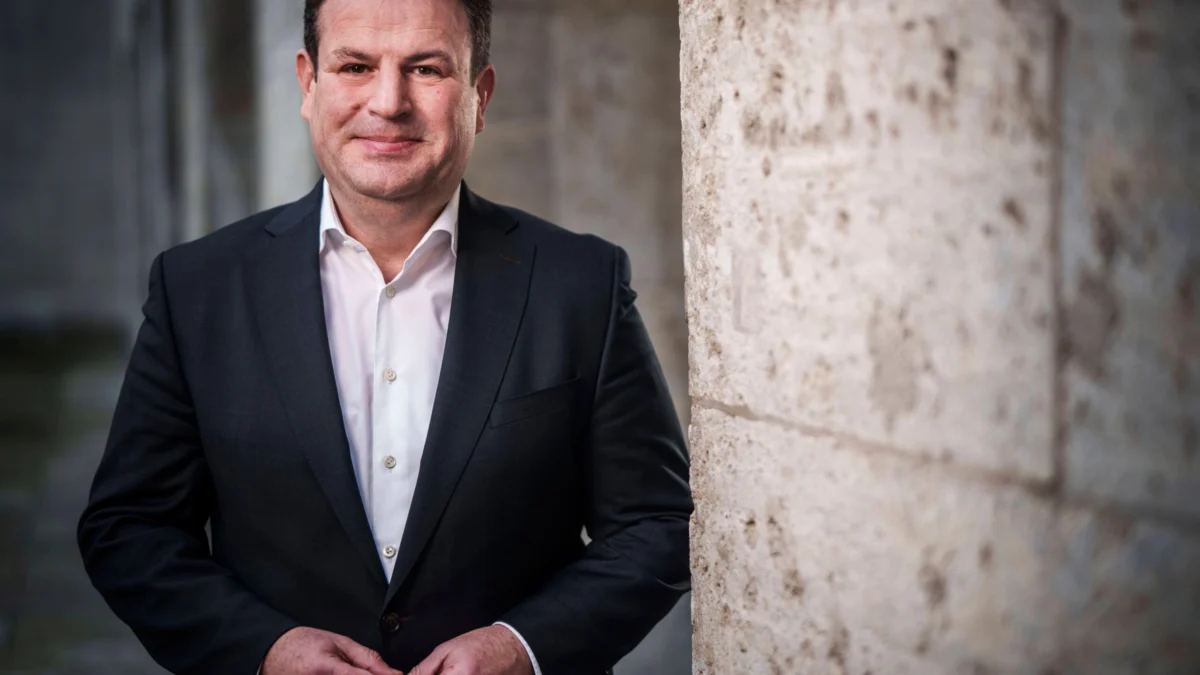
Berlin. A party soldier is a person characterized by great dedication, unwavering loyalty, and disciplined commitment. Such an individual may exhibit a degree of vanity and ambition, but crucially, never considers themselves indispensable. Within the Social Democratic Party of Germany (SPD), it would be challenging to identify a politician who embodies this description more accurately than Hubertus Heil. The 54-year-old from Lower Saxony, who joined the SPD at the age of 16 and has served as the directly elected representative for the Gifhorn-Peine constituency in the German Bundestag since 1998, has charted a rapid political ascent. However, this trajectory appears to have been momentarily stalled by the current party leader, Lars Klingbeil.
Heil, a figure known for his consistent presence in German politics, is reportedly positioning himself to contest the SPD leadership at the party’s federal congress in January. This potential bid comes at a time when the party is grappling with persistent challenges in public opinion and electoral performance. His past remarks, including a recent observation that the SPD currently appears "male-dominated," add a layer of complexity to his potential candidacy, suggesting a desire for internal reform alongside a pursuit of leadership.
A Deeply Rooted Political Career
Hubertus Heil’s political journey is deeply intertwined with the history of the SPD. His long tenure in the Bundestag, beginning in 1998, has provided him with extensive experience across various parliamentary committees and policy areas. Prior to his parliamentary career, he was actively involved in the Young Socialists (Jusos), the youth wing of the SPD, where he honed his political skills and developed a network within the party structure.
His most prominent role in recent years was serving as the Federal Minister of Labour and Social Affairs in both the grand coalition governments under Angela Merkel and the current coalition government led by Olaf Scholz. In this capacity, Heil has been instrumental in shaping key social policies, including reforms to the unemployment benefits system, the introduction of a minimum wage, and measures aimed at improving workplace safety and digitalization. His handling of these portfolios has often placed him at the forefront of significant national debates, further solidifying his public profile.
Navigating the SPD’s Current Landscape
The SPD’s standing in national polls has been a persistent concern for the party leadership. Following a period of relative success that saw Olaf Scholz elected as Chancellor, the party has experienced a decline in support, often trailing behind the Christian Democrats and even the Green Party and the AfD in some surveys. This electoral pressure creates an environment ripe for leadership challenges and internal introspection.

The departure of former co-leader Saskia Esken and the subsequent consolidation of leadership under Lars Klingbeil, who now also serves as SPD chairman, has left a vacuum that potential successors might seek to fill. While Klingbeil has been a visible figurehead, the party’s electoral struggles have undoubtedly created opportunities for other prominent SPD politicians to consider stepping into the leadership role.
Heil’s perceived positioning for a leadership bid suggests a belief that he possesses the vision and capability to steer the SPD out of its current electoral doldrums. His extensive experience as a minister, coupled with his long-standing commitment to the party, provides a strong foundation for such an ambition. He is seen by some as a pragmatic figure, capable of bridging different factions within the party and appealing to a broad electorate.
The "Party Soldier" Archetype: Strengths and Perceptions
The description of Heil as a "party soldier" carries both positive and potentially negative connotations. On one hand, it highlights his dedication, loyalty, and willingness to serve the party’s interests. This can be a significant asset in a political organization that values solidarity and collective action. His long history within the SPD suggests a deep understanding of its traditions and a commitment to its core values.
On the other hand, the term "party soldier" can sometimes imply a lack of independent thought or an overemphasis on party loyalty at the expense of broader political principles. However, Heil’s tenure as a minister has often involved navigating complex policy challenges that require a nuanced approach and a willingness to engage in difficult compromises. His supporters would argue that his pragmatism and his ability to deliver on key policy initiatives demonstrate a capacity for leadership that transcends mere party loyalty.
His recent comments regarding the perceived male dominance within the SPD also indicate a forward-looking perspective. If he were to run for leadership, this would likely be a central theme of his campaign, signaling a desire to modernize the party’s image and appeal to a wider demographic, particularly women. This focus on internal diversity and representation could resonate with a significant portion of the SPD’s membership.
Background and Context: The SPD’s Leadership Dynamics
The SPD’s leadership has historically been a subject of intense scrutiny and internal debate. The party, one of Germany’s oldest political institutions, has undergone numerous transformations throughout its history, often marked by periods of internal conflict and renewal. The current leadership structure, with Lars Klingbeil as chairman and Olaf Scholz as Chancellor, represents a significant shift from the dual leadership model previously employed.

The SPD’s electoral performance in recent years has been a cause for concern. After reaching a peak in the early 2000s, the party’s support has generally trended downwards, leading to a reduced parliamentary presence and a diminished role in federal government formation. The rise of new political forces and the changing landscape of German politics have presented significant challenges to traditional parties like the SPD.
The upcoming party congress in January will be a crucial moment for the SPD. It will not only determine the future direction of the party but also signal its ability to adapt to the evolving political climate. Any potential leadership challenge from a figure like Hubertus Heil would undoubtedly inject a significant element of drama and political maneuvering into this process.
Potential Implications of a Heil Candidacy
If Hubertus Heil formally declares his candidacy for the SPD leadership, it would set the stage for a potentially competitive race. His strengths lie in his extensive governmental experience, his deep roots within the party, and his perceived ability to connect with a broad range of voters. His policy achievements as Minister of Labour and Social Affairs could serve as a strong platform for his campaign.

However, he would face the challenge of unseating the incumbent leader, Lars Klingbeil, who would likely draw on the support of those who favor continuity and stability. Klingbeil’s supporters might also point to his efforts in modernizing the party and his role in the current coalition government as reasons to maintain his leadership.
The outcome of such a contest would have significant implications for the SPD’s future. A victory for Heil might signal a shift towards a more pragmatic, policy-driven approach to leadership, with a strong emphasis on social justice and economic security. His focus on internal reform, particularly regarding gender balance, could also lead to significant changes within the party’s structure and public image. Conversely, a Klingbeil victory might suggest a preference for maintaining the current course and consolidating existing power structures.
Broader Impact on German Politics
The internal leadership battles within the SPD are not merely an internal party affair; they have broader implications for the German political landscape. As a key component of the current coalition government, the SPD’s stability and its ability to present a united front are crucial for the functioning of the government.

A contested leadership election could potentially create divisions within the party, which might weaken its negotiating position within the coalition and its ability to enact its policy agenda. Conversely, a well-managed and decisive leadership contest, regardless of the outcome, could energize the party and provide it with a renewed sense of purpose and direction.
The SPD’s ability to articulate a compelling vision for the future and to regain public trust will be paramount in the coming years. The decisions made at the upcoming party congress, including any potential leadership challenges, will play a significant role in shaping the party’s trajectory and its influence on German politics. Hubertus Heil, with his deep roots and his evident ambition, stands as a prominent figure poised to influence this critical juncture for the Social Democrats. His potential bid represents not just a personal aspiration but a reflection of the ongoing internal debates and strategic considerations facing a party striving to remain relevant in a rapidly changing political environment. The coming months will reveal whether the "party soldier" is ready to lead the charge.
