

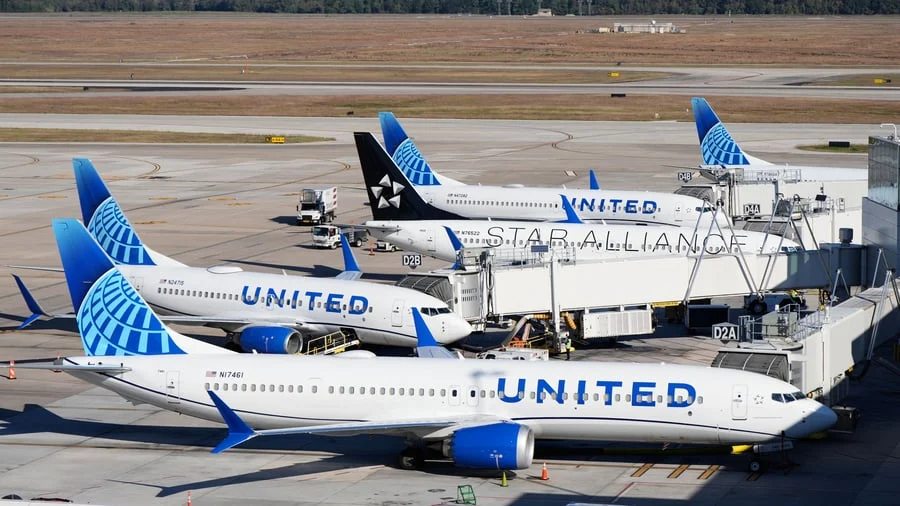
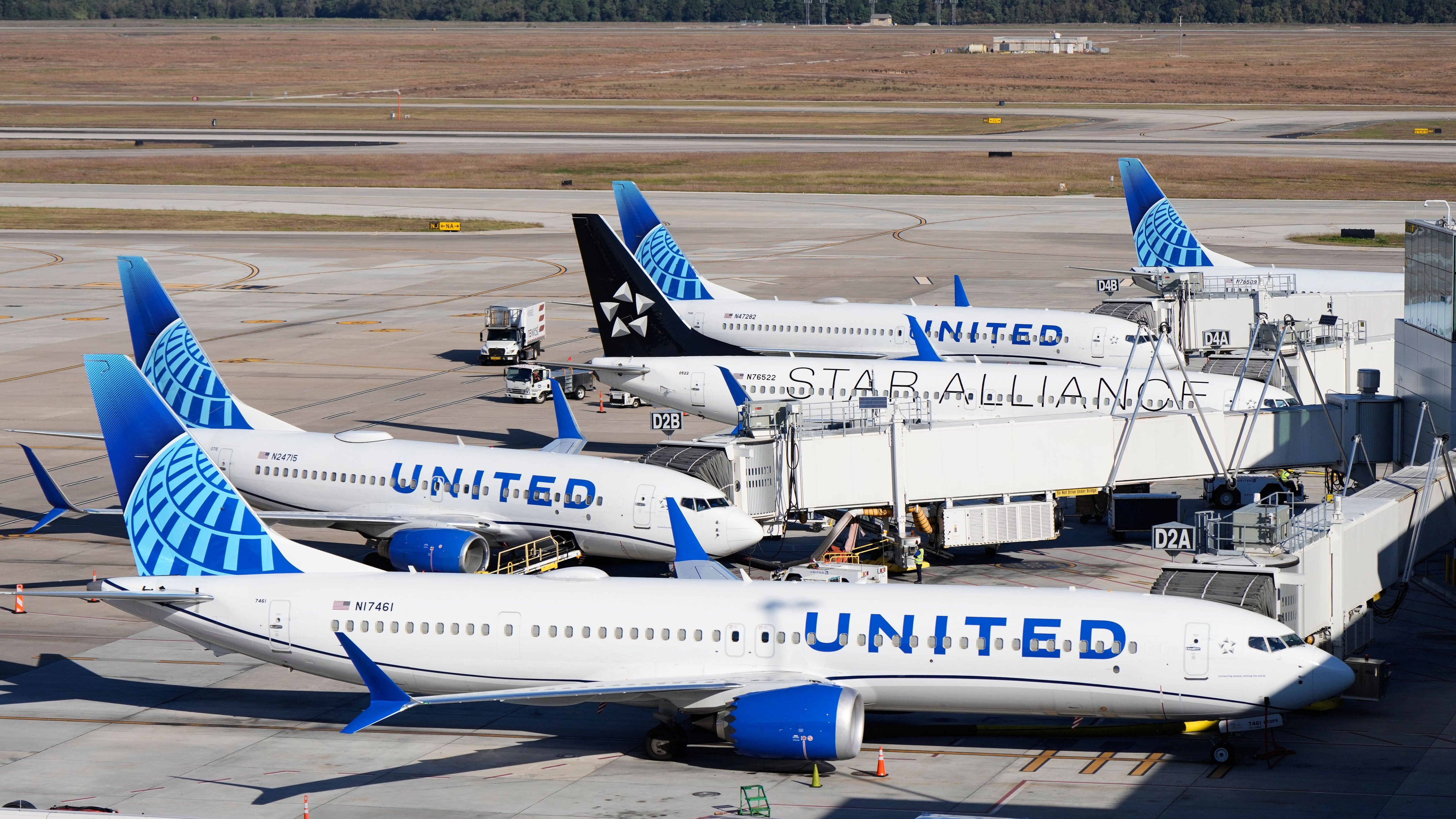
In the wake of unprecedented air travel disruptions across the United States, airlines and airports are still grappling with widespread cancellations and significant delays. The chaos, stemming from a critical technical failure, saw approximately 4,000 additional flights scrubbed on Saturday, compounding the travel woes for thousands of passengers. While authorities have indicated that a return to normal operations is anticipated by Sunday evening, the ripple effects of the outage continue to impact the nation’s air transportation network.
The widespread cancellations and delays follow a nearly five-hour nationwide ground stop implemented on Friday by the Federal Aviation Administration (FAA). This extensive shutdown, the longest of its kind in the U.S. since the September 11, 2001, terrorist attacks, resulted in one of the most disruptive travel days in the country’s modern history. Over 10,000 flights were canceled and more than 7,000 experienced delays on Friday alone, creating immense frustration and logistical nightmares for passengers and travel industry stakeholders alike.
The Root of the Disruption: A Technical Glitch with Far-Reaching Consequences
The precipitating cause of the nationwide grounding was a catastrophic failure within the FAA’s Notice to Air Missions (NOTAM) system. This system is crucial for disseminating vital flight information, including runway closures, equipment outages, and other critical operational data that pilots and airlines rely on to ensure safe air travel. The system’s malfunction led to an inability to update pilots and flight crews with necessary information, prompting the FAA to halt all departures as a precautionary measure.
The extent of the NOTAM system’s importance cannot be overstated. It serves as the primary conduit for real-time operational updates that are essential for flight planning and execution. Without accurate and timely information from NOTAM, the FAA determined that maintaining safe operations across the vast and complex U.S. airspace was not feasible.
A Chronology of Chaos: From Outage to Recovery Efforts
The timeline of the disruption began early Wednesday morning when the FAA’s NOTAM system experienced a significant outage. Initial reports indicated that the system was down for several hours, with recovery efforts underway. However, the problem proved more complex and persistent than initially believed.

By Thursday, the FAA was still working to restore full functionality to the NOTAM system. While some partial restoration was achieved, the system’s instability continued to pose a risk. The FAA’s primary focus was on ensuring the integrity and reliability of the information being disseminated before lifting the grounding order.
On Friday morning, the situation escalated dramatically. The FAA announced a nationwide ground stop, effective immediately, due to the ongoing issues with the NOTAM system. This unprecedented order brought air traffic across the continental United States to a standstill. Airlines were instructed to halt all domestic departures, leading to immediate and cascading delays and cancellations at airports nationwide.
Throughout Friday, the FAA worked tirelessly to identify and rectify the root cause of the failure. Information began to emerge that the issue was related to a corrupted database file. Efforts focused on restoring the system and ensuring its stability before allowing flights to resume.
By late Friday evening, the FAA announced that the NOTAM system had been brought back online. However, the lingering effects of the prolonged shutdown meant that a complete return to normalcy would not be immediate. Airlines commenced the arduous task of rebooking passengers, repositioning aircraft, and working through the backlog of flights. This process inevitably led to the cancellation of thousands more flights on Saturday as airlines struggled to recalvert their schedules.
Unraveling the Cause: A Complex Technical Investigation
U.S. Transportation Secretary Pete Buttigieg and FAA Administrator Billy Nolen provided further details on the investigation into the cause of the NOTAM system failure. Secretary Buttigieg stated that the problem originated with an FAA contractor, L3Harris Technologies, which was reportedly performing an upgrade to the system. Specifically, the upgrade involved transitioning from copper to fiber optic cables at a remote location.
"We are investigating whether this was a failure of competence, an installer or user error on the part of L3Harris, or if a faulty router was installed," Secretary Buttigieg explained during a press conference on Saturday. He emphasized that the exact source of the error had not yet been definitively identified but indicated that the transition work was the likely trigger.

The upgrade process, intended to enhance the system’s performance, inadvertently led to a data overload in other critical communication centers. This overload disrupted the flow of information, impacting the ability of air traffic control facilities to receive and transmit essential data to aircraft. The failure to process over 1,000 connection attempts every four to five seconds crippled the system, affecting communication with aircraft and compromising radar functionality.
The Ripple Effect: Data and Impact of the Disruption
The scale of the disruption was immense, impacting millions of travelers and disrupting the broader economy.
- Flight Cancellations: On Friday, the day of the ground stop, over 10,000 flights were canceled across the U.S. This figure rose by approximately 4,000 additional cancellations on Saturday as airlines attempted to recalibrate their operations.
- Flight Delays: Over 7,000 flights were delayed on Friday. While precise figures for Saturday were still being compiled, a significant number of flights continued to experience delays due to the backlog and operational adjustments.
- Passenger Impact: Millions of travelers were directly affected, facing stranded journeys, missed connections, and significant inconvenience. The disruption particularly impacted those traveling for business, holidays, or essential appointments.
- Economic Implications: Beyond the direct impact on travelers, the grounding had broader economic consequences. Supply chains relying on air cargo faced disruptions, and businesses that depend on timely travel for their operations experienced setbacks. The cost to airlines in terms of lost revenue, operational expenses for rebooking and repositioning, and passenger compensation is substantial.
Official Responses and Ongoing Investigations
The swift and decisive action by the FAA to implement a nationwide ground stop, while causing immediate disruption, was viewed by many as a necessary measure to prioritize safety. Both Transportation Secretary Buttigieg and FAA Administrator Nolen reiterated their commitment to a thorough investigation to prevent similar incidents from occurring in the future.

"The safety of the flying public is our highest priority, and we will not hesitate to take every action necessary to ensure that we have a resilient and reliable system," Administrator Nolen stated.
The investigation is expected to delve into the protocols surrounding system upgrades, the vetting of contractors, and the redundancies in place to prevent single points of failure within critical aviation infrastructure. The findings of this investigation will be crucial in informing future upgrades and maintenance procedures for the FAA’s complex technological systems.
Broader Implications and Future Preparedness
The NOTAM system failure serves as a stark reminder of the critical dependence of modern air travel on sophisticated technological infrastructure. While the U.S. aviation system is renowned for its safety record, this incident highlights vulnerabilities that can arise from technological malfunctions, even in systems designed with redundancy.

The event also underscores the importance of robust cybersecurity measures and comprehensive disaster recovery plans for all critical national infrastructure. The transition to newer technologies, such as fiber optics, is essential for modernization, but it must be accompanied by rigorous testing, fail-safe mechanisms, and clear communication protocols to mitigate the risks associated with such transitions.
Moving forward, the aviation industry and regulatory bodies will likely focus on:
- System Resilience: Enhancing the resilience of the NOTAM system and other critical FAA infrastructure against future failures.
- Contractor Oversight: Strengthening oversight and accountability for third-party contractors involved in maintaining and upgrading critical systems.
- Emergency Response Protocols: Reviewing and refining emergency response protocols for large-scale technological disruptions to minimize cascading impacts.
- Passenger Communication: Improving real-time communication strategies with passengers during widespread disruptions to manage expectations and provide timely updates.
While the immediate crisis appears to be subsiding, the implications of this historic flight disruption will undoubtedly resonate within the aviation sector and among policymakers for some time. The incident serves as a critical case study in the challenges of maintaining and modernizing complex technological systems that underpin global connectivity and economic activity. The focus now shifts to ensuring that lessons learned translate into tangible improvements that safeguard the future of air travel.
