

The United States Senate recently signaled a historic shift in national priority with the passage of the 21st Century ROAD to Housing Act, an expansive legislative package designed to confront the escalating crisis of housing affordability and supply. In a chamber frequently characterized by partisan deadlock, the 89-10 vote represents a significant consensus, reflecting an acknowledgment by lawmakers that the rising cost of shelter has become a primary threat to economic stability and the traditional American Dream. This legislative movement comes at a critical juncture, as the nation prepares for the 2026 midterm elections and the subsequent race for the White House, with housing costs emerging as the dominant "kitchen table" issue for voters across the political spectrum.
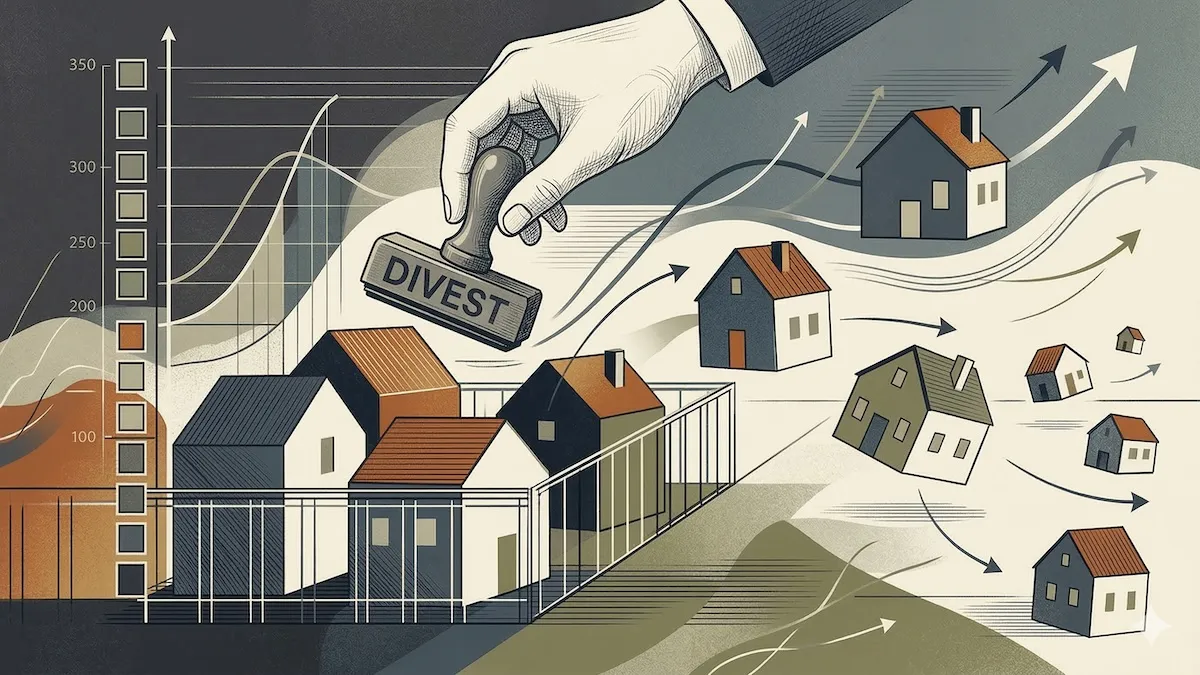
The act, whose acronym stands for Reversing Obstacles and Advancing the Dream of Homeownership, seeks to address the multifaceted nature of the housing crisis through a combination of regulatory reform, supply-side incentives, and restrictions on institutional market participation. By streamlining environmental reviews and modernizing the frameworks governing manufactured housing, the bill aims to reduce the "red tape" that has historically inflated construction costs and delayed project timelines. Furthermore, the inclusion of the "Homes are for People, Not Corporations" provision marks a federal effort to limit large-scale institutional investors from acquiring significant portions of the single-family housing stock, a practice that has increasingly placed first-time homebuyers at a disadvantage.
The Evolution of the Housing Crisis and Legislative Chronology
To understand the urgency behind the 21st Century ROAD to Housing Act, one must examine the decade-long trajectory of the American real estate market. Following the 2008 financial crisis, the rate of new home construction slowed significantly, leading to a cumulative deficit of millions of housing units. This supply-demand imbalance was exacerbated by the COVID-19 pandemic, which triggered a surge in demand for single-family homes while simultaneously disrupting global supply chains and labor markets.
By 2023, the National Association of Realtors (NAR) reported that housing affordability had reached its lowest level since the index’s inception in the 1980s. The convergence of high mortgage rates, which hovered between 6% and 7.5%, and record-high median home prices created a "lock-in effect," where current homeowners were reluctant to sell, further constricting the available inventory. Legislative efforts began to coalesce in late 2024 as both Republican and Democratic strategists identified housing as a top-tier concern for the 2026 election cycle. The ROAD to Housing Act represents the culmination of these bipartisan negotiations, attempting to bridge the gap between conservative calls for deregulation and progressive demands for consumer protections and market equity.
Key Provisions: Supply-Side Reforms and Investor Restrictions
A cornerstone of the 21st Century ROAD to Housing Act is the modernization of the regulatory environment. For decades, developers have cited the National Environmental Policy Act (NEPA) and various local land-use regulations as primary barriers to affordable development. The act introduces streamlined review processes for projects that meet specific affordability criteria, potentially shaving months or even years off development timelines.
Additionally, the bill places a renewed focus on manufactured housing as a viable solution for low-to-moderate-income families. Historically, manufactured homes—which can cost 35% to 50% less per square foot than site-built homes—have been hampered by outdated federal standards and restrictive local zoning laws. The ROAD Act updates these federal standards to allow for more contemporary designs and higher density, while providing incentives for municipalities to integrate these units into their broader housing plans.
The "Homes are for People, Not Corporations" provision addresses a growing public outcry regarding the financialization of residential real estate. Data from real estate analytics firms suggests that in certain metropolitan areas, institutional investors—entities owning more than 1,000 properties—accounted for nearly 20% of single-family home purchases in recent years. The ROAD Act imposes new limits on these acquisitions and removes certain tax advantages for large-scale institutional landlords, aiming to return leverage to individual families and first-time buyers.
Supporting Data: The Economic Reality of the Rent-Burdened Workforce
The legislative push is supported by a wealth of data indicating a deepening economic strain on American households. According to the U.S. Census Bureau, nearly half of all American renters are now considered "rent-burdened," meaning they spend more than 30% of their gross income on housing costs. Even more alarming is the rise of the "severely rent-burdened" population, who allocate more than 50% of their income to rent, leaving little for healthcare, education, or emergency savings.
The impact of these costs extends beyond individual households and into the broader labor market. Economic research suggests that housing unaffordability acts as an "invisible tax" on corporate productivity. When workers are forced to live far from their places of employment to find affordable housing, they face longer commutes, increased stress, and higher rates of burnout. A 2024 survey of HR professionals indicated that housing costs were a primary reason for candidates declining job offers and for existing employees seeking relocation. This churn costs American businesses billions of dollars annually in recruitment and training expenses, effectively making housing a critical infrastructure issue for the private sector.
The Challenge of Local Implementation and NIMBYism
Despite the federal momentum provided by the ROAD to Housing Act, experts warn that the ultimate success of the legislation hinges on local execution. The phenomenon of "Not In My Backyard" (NIMBY) resistance remains a formidable obstacle. In states like California and New York, ambitious state-level reforms have frequently been neutralized by local zoning boards and community groups using litigation to block high-density or affordable housing developments.
The ROAD Act attempts to address this by offering "carrots" in the form of federal grants for infrastructure—such as roads, sewers, and transit—to municipalities that adopt "pro-housing" zoning policies. However, critics argue that without stronger "sticks" or federal preemption of certain local laws, the supply-side gains promised by the bill may be muted in the very markets where they are needed most. The tension between federal policy objectives and local community control remains the primary battlefield for the next decade of housing reform.
Analysis of the "Missing Link": Housing as a Workforce Benefit
While the 21st Century ROAD to Housing Act addresses supply and investor activity, some analysts and industry leaders argue that it fails to fully engage the private sector as a partner in housing stability. For nearly half a century, the U.S. government has utilized the workplace as the primary delivery system for financial security, most notably through the creation of the 401(k) and 403(b) retirement plans. These programs, incentivized by tax credits and tax-advantaged contributions, shifted the responsibility of retirement saving into a collaborative effort between employer and employee.
Proponents of expanded housing policy suggest a similar "Housing 401(k)" model is necessary. Such a framework would allow employees to contribute to tax-free savings accounts dedicated to down payments or rent, with employers receiving tax incentives for matching those contributions. Currently, the ROAD Act focuses on unlocking private investment in construction but stops short of incentivizing employers to provide direct housing support. As companies increasingly offer "lifestyle benefits" ranging from pet insurance to gym memberships, the absence of structured housing benefits is viewed by some as a significant missed opportunity to stabilize the national workforce.
Official Responses and Industry Reactions
The passage of the bill has drawn a wide array of reactions from industry stakeholders. The National Association of Home Builders (NAHB) lauded the regulatory reforms, stating that "reducing the cost of regulation is the most effective way to lower the price of a home." Conversely, some housing advocacy groups expressed concern that the restrictions on institutional investors might inadvertently reduce the supply of high-quality rental housing if not implemented with precision.
Political analysts suggest that the 89-10 vote is a defensive maneuver for many incumbents. With the median home price in 2025 remaining nearly five times the median household income, politicians are keenly aware that voter dissatisfaction with the economy is inextricably linked to the cost of living. By supporting the ROAD Act, lawmakers can demonstrate a tangible commitment to solving the crisis before the 2026 campaign cycle begins in earnest.
Broader Impacts and the Path Forward
The 21st Century ROAD to Housing Act is unlikely to be a singular solution to a crisis decades in the making. Instead, it serves as a foundational framework for future policy. The next phase of the housing debate is expected to focus on the intersection of housing and the workplace, as well as the integration of sustainable building technologies to lower long-term utility costs for residents.
The success of the act will be measured not just by the number of units built, but by its ability to restore the link between full-time employment and housing security. For the generation of Americans currently locked out of the housing market, the legislation represents a glimmer of hope, but the path to true affordability remains long. As the 2026 elections approach, the mandate for candidates will be clear: housing is no longer a secondary policy issue; it is the central pillar of American economic and social stability. The ROAD to Housing Act is the beginning of a new era in federal intervention, signaling that the "invisible hand" of the market may require a visible legislative guide to ensure the American Dream remains attainable for the next generation.
