

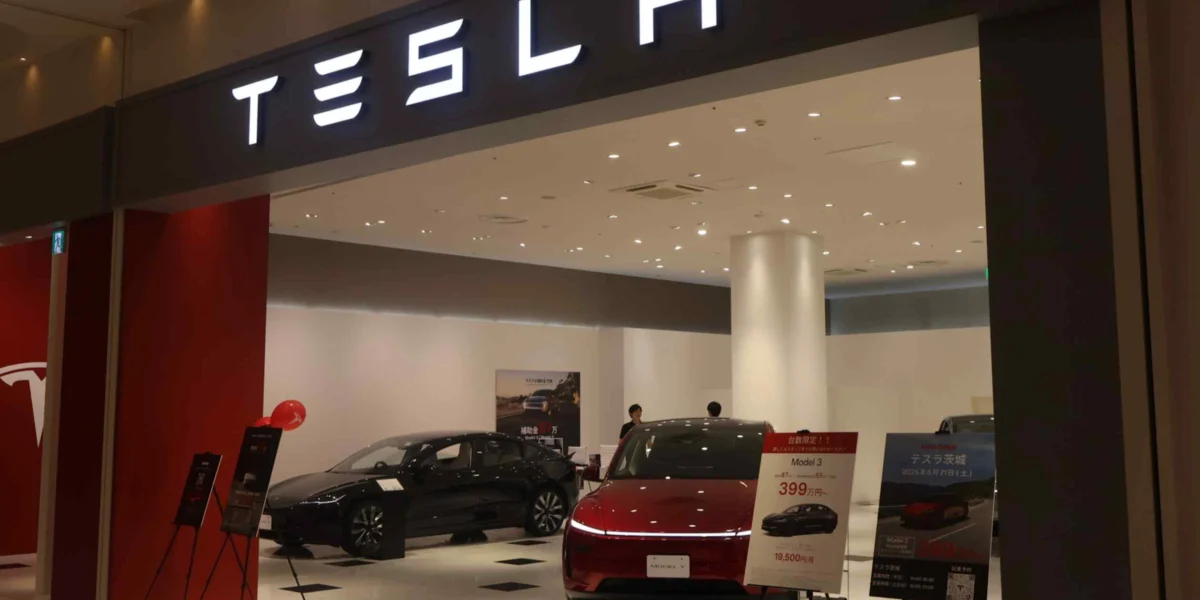
TOKYO – U.S. electric vehicle (EV) manufacturer Tesla is set to significantly bolster its delivery infrastructure in Japan, with plans to increase its delivery locations by an ambitious 60% within the current year. This strategic expansion is a direct response to a burgeoning demand for its electric vehicles, a trend that has presented logistical challenges for the company as it strives to meet consumer expectations. The surge in EV adoption in Japan is not an isolated phenomenon but rather a confluence of factors, prominently including robust government subsidies and attractive corporate perk programs that are effectively making EVs a more compelling proposition for both individual consumers and businesses.

The Shifting Landscape of Japanese Automotive Market
For decades, Japan’s automotive market has been dominated by established domestic manufacturers renowned for their hybrid and fuel-efficient gasoline-powered vehicles. The transition to fully electric vehicles has been a more gradual process compared to some other major global markets. However, recent years have witnessed a palpable shift, accelerated by proactive government policies and a growing environmental consciousness. The Japanese government has set ambitious targets for EV adoption as part of its broader decarbonization strategy, aiming to significantly reduce carbon emissions from the transportation sector.
This national objective has translated into tangible support mechanisms. Consumers purchasing EVs are eligible for substantial purchase subsidies, reducing the upfront cost of these vehicles. These incentives, coupled with tax breaks and a growing network of charging infrastructure, have begun to sway consumer preference. Beyond individual buyers, corporations are increasingly incorporating EVs into their fleets, driven by a combination of corporate social responsibility (CSR) initiatives, potential operational cost savings through reduced fuel and maintenance expenses, and the positive brand image associated with environmental stewardship. Tesla, as a leading global EV manufacturer, has been a primary beneficiary of this evolving market dynamic.

Tesla’s Strategic Response to Escalating Demand
The reported 60% increase in Tesla’s delivery locations signifies a substantial investment in its operational capacity within Japan. While the specific number of new locations is not disclosed, such a percentage increase indicates a significant scaling up of the company’s footprint. Traditionally, Tesla has operated with a more centralized delivery model in many markets, often relying on its own service centers or designated delivery hubs. However, the exponential growth in demand necessitates a more distributed and accessible delivery network to shorten wait times and enhance customer convenience.
This expansion is crucial for Tesla to maintain its momentum and solidify its market position in Japan. As more traditional automakers, both domestic and international, accelerate their EV offerings, the competitive landscape is intensifying. By improving its delivery capabilities, Tesla aims to streamline the vehicle handover process, a critical touchpoint in the customer journey. This move also suggests a strategic effort to cater to a broader geographical reach within Japan, potentially extending its services to areas outside of major metropolitan centers where demand might also be on the rise.

Government Incentives: A Powerful Catalyst
The impact of government incentives on the EV market cannot be overstated. Japan’s subsidy programs are designed to offset the higher initial purchase price of EVs, a significant barrier for many consumers. For instance, national subsidies, often supplemented by local government incentives, can collectively reduce the effective cost of an EV by tens of thousands of yen. These financial inducements, when combined with the long-term savings on fuel and maintenance, make the economic case for EV ownership increasingly attractive.
Furthermore, the Japanese government has been actively promoting the development of charging infrastructure. While still a work in progress, the expansion of public charging stations, coupled with incentives for home charging installations, addresses a key concern for potential EV buyers: range anxiety and charging convenience. The continuous improvements in battery technology, leading to longer ranges and faster charging times, further complement these policy-driven initiatives.

Corporate Perks: A Growing Trend
The integration of EVs into corporate fleets is another significant driver of demand. Many Japanese companies are setting their own sustainability goals, and electrifying their vehicle fleets is a visible and impactful way to demonstrate commitment to environmental targets. Beyond CSR, there are pragmatic business advantages. Companies that adopt EVs can benefit from lower running costs, particularly for high-mileage fleets. Additionally, offering EVs as company cars or as part of employee benefit packages can enhance employee satisfaction and attract talent, especially among younger generations who are more environmentally conscious.
Tesla’s vehicles, with their advanced technology and premium positioning, often appeal to companies looking to project a forward-thinking and sustainable image. The expansion of Tesla’s delivery network will likely facilitate larger corporate orders and streamline the process of equipping company fleets with these vehicles.

Analyzing the Implications of the Delivery Network Expansion
The decision to dramatically increase delivery locations by 60% has several far-reaching implications:
- Enhanced Customer Experience: A more widespread delivery network means shorter wait times for customers and greater accessibility. This is vital for customer satisfaction and retention, especially in a market where delivery experiences can significantly influence brand perception.
- Market Penetration: By reaching more locations, Tesla can tap into previously underserved or less accessible markets within Japan, potentially capturing a larger share of regional demand.
- Competitive Advantage: In an increasingly competitive EV market, operational efficiency and customer convenience are key differentiators. Tesla’s proactive expansion positions it favorably against rivals who may have less robust delivery capabilities.
- Logistical Optimization: The expansion suggests a sophisticated logistical planning effort to manage inventory, transportation, and the handover process efficiently across a larger number of sites. This could involve new partnerships or investments in local warehousing and distribution.
- Economic Impact: The expansion will likely create new jobs related to vehicle delivery, logistics, and potentially customer service at these new locations. It also signifies a continued commitment and investment by Tesla in the Japanese economy.
Challenges and Future Outlook
While the expansion is a positive development, it is not without its potential challenges. Scaling up operations by such a significant margin requires careful management of resources, personnel, and quality control. Ensuring that the customer experience remains consistent across all new delivery locations will be paramount. Furthermore, the ongoing development of Japan’s charging infrastructure, while improving, will continue to be a critical factor in the broader adoption of EVs. Tesla will also need to navigate the complexities of local regulations and consumer preferences as it expands its reach.

The current trend, however, indicates a strong upward trajectory for EVs in Japan. The combination of supportive government policies, evolving corporate strategies, and growing consumer awareness of environmental issues creates a fertile ground for continued growth. Tesla’s strategic investment in its delivery network is a clear indication of its long-term commitment to the Japanese market and its confidence in the sustained demand for electric vehicles. As the company scales its delivery capabilities, it is poised to capitalize on this burgeoning market, further cementing its position as a key player in Japan’s automotive future. The success of this expansion will be a significant indicator of Tesla’s ability to adapt and thrive in diverse global markets, demonstrating that the transition to electric mobility is not just a global trend but a localized reality, driven by strategic investment and policy support.
