


Strategy, the prominent Bitcoin treasury company led by executive chairman Michael Saylor, has once again significantly expanded its digital asset holdings, acquiring an additional 22,337 Bitcoin for approximately $1.57 billion last week. This latest transaction continues to solidify Strategy’s position as a leading corporate accumulator of the world’s largest cryptocurrency, underscoring a sustained and ambitious strategy of integrating Bitcoin into its core corporate finance.
The acquisition, detailed in a filing with the U.S. Securities and Exchange Commission (SEC), took place between March 9 and March 13. The average purchase price for this latest tranche was reported at $70,194 per Bitcoin. This substantial addition brings Strategy’s total Bitcoin holdings to an impressive 761,068 BTC. This accumulation represents a significant portion of Bitcoin’s fixed supply, currently accounting for over 3.4% of the 21 million coin cap, a testament to the company’s conviction in the digital asset.
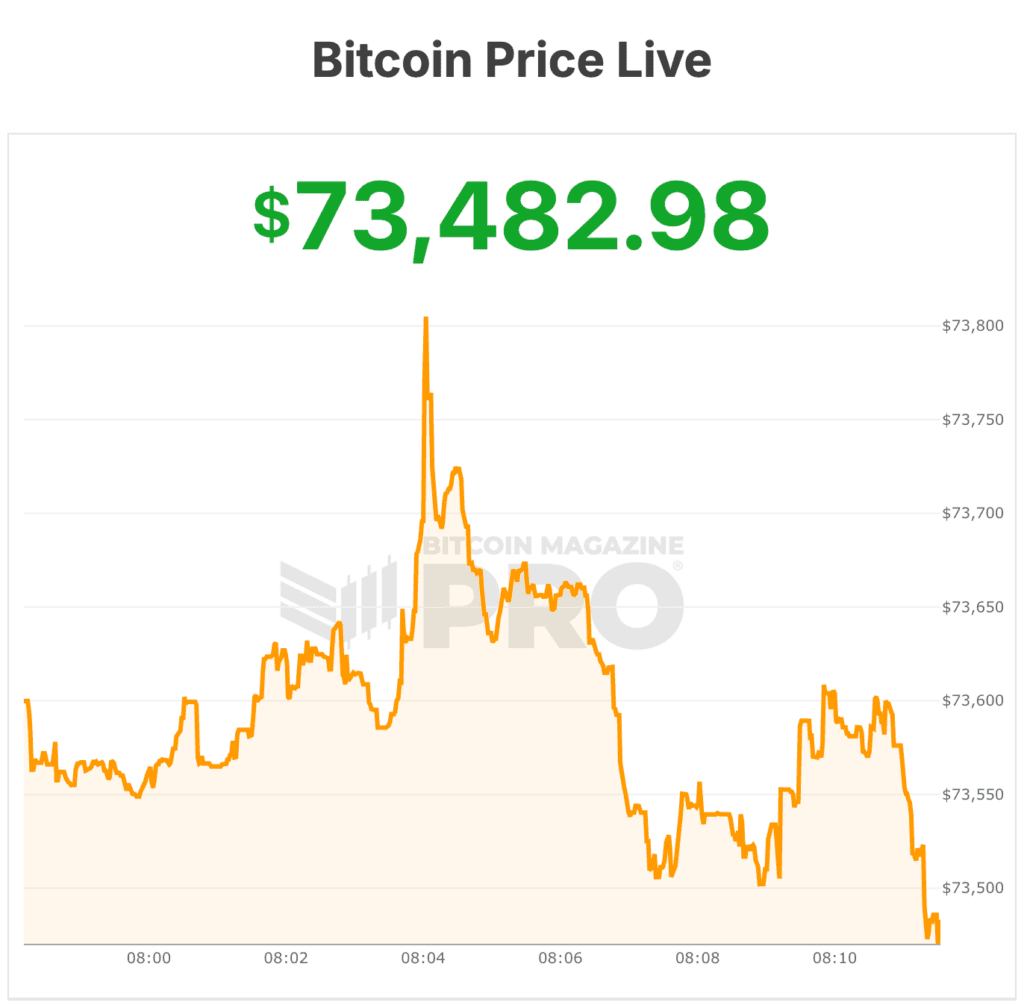
Cumulatively, Strategy has invested approximately $57.61 billion to acquire its vast Bitcoin reserves, achieving an average acquisition price of about $75,696 per Bitcoin. As of the reporting period, with Bitcoin trading near the $74,000 mark, the market value of Strategy’s holdings approached a formidable $50 billion. This staggering figure reinforces Strategy’s status as the preeminent corporate holder of Bitcoin, a distinction that has garnered considerable attention within both the financial and cryptocurrency spheres.
This recent purchase follows closely on the heels of another significant acquisition. Just last week, Strategy had already committed roughly $1.28 billion to purchase 17,994 Bitcoin at an average price of $70,946 per coin. That prior transaction had increased the company’s holdings to 738,731 BTC. The continuous nature of these large-scale acquisitions highlights a deliberate and ongoing strategy to maximize Bitcoin exposure.
The market has reacted positively to Strategy’s continued Bitcoin accumulation. At the time of writing, Strategy’s stock, traded under the ticker MSTR, saw a pre-market uptick of 4.40%, reflecting investor confidence in the company’s aggressive digital asset strategy. Bitcoin itself was trading slightly below the $74,000 threshold, indicating a robust market environment that Strategy is actively leveraging.
Strategic Financing: Fueling Bitcoin Accumulation Through Equity and Preferred Shares
The latest substantial Bitcoin purchases were not financed through traditional debt but rather through a sophisticated mix of equity sales and preferred stock issuances. This multi-faceted capital-raising approach allows Strategy to continuously fund its Bitcoin acquisition strategy without solely relying on cash reserves or incurring significant debt burdens.
Specifically, the recent acquisitions were funded through "at-the-market" (ATM) sales of Strategy’s Class A common stock, MSTR. This method allows companies to sell shares over time at prevailing market prices, providing a flexible and continuous stream of capital. Concurrently, the company also utilized issuances of its perpetual "Stretch preferred shares," denoted as STRC. These preferred shares represent a crucial component of Strategy’s financial architecture, designed to support its long-term Bitcoin strategy.

Strategy actively manages several preferred equity issuance programs, each tailored to attract different investor profiles and serve specific capital-raising objectives. These programs include ATM offerings for various preferred share classes: STRK, STRC, STRF, and STRD. These offerings have substantial authorized amounts, with STRK targeting $21 billion, STRC $4.2 billion, STRF $2.1 billion, and STRD $4.2 billion. These programs are integral to the company’s broader "42/42" initiative, a comprehensive plan designed to raise a staggering $84 billion by 2027 through a combination of equity sales and convertible notes, all aimed at fueling further Bitcoin acquisitions.
The structure and terms of these preferred share classes offer distinct investment characteristics:
- STRD: This class is positioned as the highest-risk, highest-return option. It carries a 10% non-cumulative dividend and is non-convertible, meaning investors do not have the option to convert their preferred shares into common stock.
- STRK: This offering provides an 8% non-cumulative dividend and includes a conversion feature. This allows investors the potential to benefit from equity upside if Strategy’s common stock appreciates in value.
- STRF: This preferred share class is also non-convertible but offers a 10% cumulative dividend. It is structured as the most conservative of the preferred equity offerings, providing a predictable income stream.
- STRC: This class features a cumulative dividend with a variable rate that is paid monthly. This structure is designed to be dynamic, adjusting over time to help maintain the shares’ trading price close to their $100 par value, offering a degree of stability.
This intricate financing strategy allows Strategy to continually inject capital into its Bitcoin reserves, effectively hedging against market volatility and capitalizing on opportunities to acquire more Bitcoin at favorable price points.
A Pattern of Aggressive Accumulation: The Strategy Bitcoin Trajectory
Michael Saylor, a vocal proponent of Bitcoin as a treasury reserve asset, has been instrumental in shaping Strategy’s aggressive accumulation strategy since the company first began purchasing Bitcoin in August 2020. The initial move into Bitcoin marked a significant pivot for the software company, signaling a bold embrace of digital assets as a primary corporate holding.
In August 2020, Strategy announced its first major Bitcoin purchase, acquiring 21,454 BTC for $250 million. This initial investment was a harbinger of what was to come. By the end of 2020, the company had significantly increased its holdings, reaching approximately 70,784 BTC.
The year 2021 saw Strategy continue its aggressive buying spree. Despite Bitcoin’s considerable price appreciation and subsequent volatility, the company consistently added to its reserves. By the close of 2021, Strategy’s Bitcoin holdings had ballooned to over 121,000 BTC.
The period between 2022 and early 2024 was characterized by a more cautious, yet still persistent, accumulation. While the pace may have fluctuated with market conditions, Strategy remained committed to its Bitcoin strategy. The company demonstrated its resolve during periods of price decline, often utilizing dips as opportunities to acquire more Bitcoin at lower average costs. This approach is a core tenet of their strategy: to dollar-cost average into the asset over the long term.
The recent surge in Bitcoin’s price, particularly in the lead-up to and following the approval of spot Bitcoin Exchange-Traded Funds (ETFs) in the United States in January 2024, has coincided with an intensified acquisition phase for Strategy. The company has been actively deploying capital, leveraging both its existing cash flow and its innovative financing mechanisms to purchase significant amounts of Bitcoin.
Saylor himself has often alluded to the company’s ongoing Bitcoin purchases through cryptic but insightful social media posts. Prior to the official disclosure of the latest acquisition, he posted a message on social media referencing Strategy’s "Bitcoin tracker" and stating, "Stretch the Orange Dots." This statement is widely interpreted as a nod to the company’s continuous efforts to buy Bitcoin, irrespective of short-term price fluctuations, a strategy often visualized by the "orange dot" symbolizing Bitcoin.
Implications and Analysis: Strategy’s Role in the Bitcoin Ecosystem
Strategy’s relentless pursuit of Bitcoin accumulation has several significant implications for both the company and the broader cryptocurrency market.
For Strategy:
- Enhanced Treasury Management: By holding a substantial amount of Bitcoin, Strategy is positioning itself as a company with a forward-thinking approach to treasury management. This strategy aims to preserve and grow capital over the long term, viewing Bitcoin as a superior store of value compared to traditional fiat currencies or even gold.
- Market Leadership: Strategy’s massive holdings make it the largest corporate holder of Bitcoin globally. This position provides the company with significant influence and visibility within the Bitcoin ecosystem, potentially attracting institutional investors and partnerships.
- Financial Innovation: The company’s innovative financing methods, particularly its preferred stock issuances, are setting precedents for how other corporations might finance their digital asset acquisitions. This financial engineering demonstrates a commitment to adapting and evolving its corporate structure to support its strategic goals.
- Shareholder Value: While the value of Strategy’s Bitcoin holdings is subject to market volatility, the company’s stock performance has often been closely correlated with Bitcoin’s price movements. Successful long-term appreciation of its Bitcoin reserves could translate into significant shareholder value.
For the Bitcoin Market:
- Institutional Adoption Catalyst: Strategy’s prominent role has undoubtedly served as a catalyst for institutional adoption of Bitcoin. Its sustained commitment encourages other corporations to consider Bitcoin as a legitimate treasury asset, paving the way for broader acceptance.
- Market Stability and Liquidity: Large, consistent buyers like Strategy can contribute to market stability by providing a steady demand floor, especially during periods of uncertainty. Their significant holdings also contribute to overall market liquidity.
- Validation of Bitcoin as a Store of Value: The decision by a publicly traded company to allocate such a large portion of its balance sheet to Bitcoin lends further credibility to the narrative of Bitcoin as a digital store of value, akin to "digital gold."
- Influence on Regulatory Landscape: As corporate Bitcoin holdings grow, so does the scrutiny from regulators. Strategy’s actions contribute to the ongoing dialogue around the regulatory framework for digital assets, potentially influencing future policies.
However, Strategy’s strategy is not without its risks. The price of Bitcoin is notoriously volatile, and any significant downturn could have a substantial impact on the company’s financial position and stock performance. Furthermore, the company’s reliance on equity and preferred stock issuances means that its ability to continue acquiring Bitcoin is tied to its access to capital markets and investor sentiment.
Despite these risks, Strategy’s unwavering commitment, spearheaded by Michael Saylor’s conviction, continues to shape its identity as a pioneering Bitcoin-centric corporation. The ongoing expansion of its Bitcoin treasury, funded through innovative financial mechanisms, demonstrates a long-term vision that places digital scarcity and decentralized finance at the core of its corporate strategy. The company’s actions serve as a compelling case study in how traditional businesses can adapt and thrive in the evolving landscape of digital assets.
