

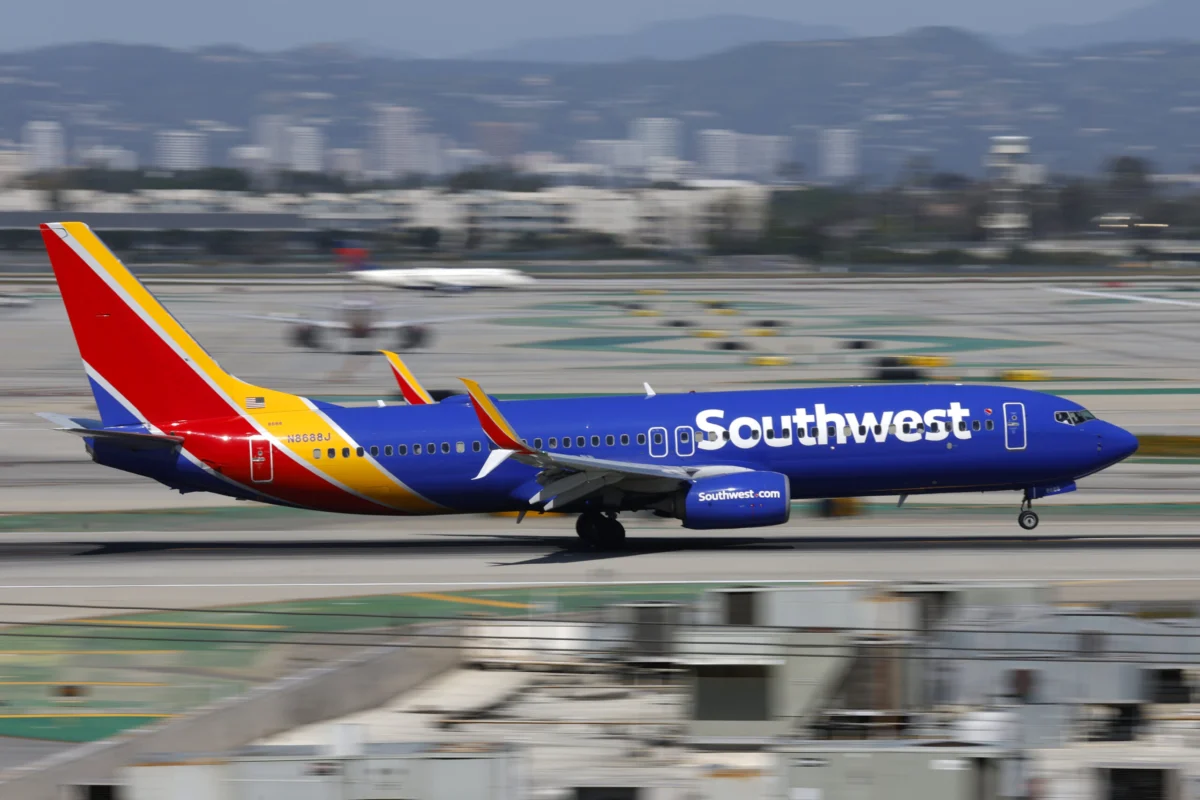
In an unprecedented move signaling the extreme volatility gripping global energy markets, Southwest Airlines chartered a ship this spring to transport 12.6 million gallons of jet fuel from Houston, Texas, to Los Angeles, California – a logistical first for the Dallas-based carrier. This extraordinary measure was necessitated by soaring prices and critical supply concerns on the U.S. West Coast, exacerbated by the ripple effects of the ongoing Iran War and subsequent disruptions to international shipping lanes. The voyage, traversing the Panama Canal, delivered what Chief Financial Officer Tom Doxey described as "a week’s supply to the West Coast at a time when supply was most constricted… when it was most at risk," underscoring the severe pressures facing the airline industry.
The Unprecedented Voyage: A Strategic Maneuver
Southwest Airlines, renowned for its domestic focus and efficient operations, had never before resorted to chartering a maritime vessel for fuel transport. This singular event highlights a significant shift in strategic planning for airlines, traditionally reliant on pipeline networks and established land-based supply chains. The decision to embark on this maritime endeavor was a direct response to a perfect storm of factors: elevated demand, constrained local refinery capacity, and disrupted global crude oil flows, all converging to create an acute shortage and dramatic price spikes in the California market.
The ship, which departed from Houston, navigated the Panama Canal, a critical maritime shortcut connecting the Atlantic and Pacific oceans, before arriving in Los Angeles on May 28. The 12.6 million gallons of jet fuel onboard represented a substantial, albeit temporary, bolster to Southwest’s West Coast operations. To put this volume into perspective, Southwest Airlines consumed a staggering 564 million gallons of jet fuel in the preceding quarter, indicating the continuous, massive demand an airline of its scale requires. The logistical complexity and cost associated with such a shipment, including canal transit fees and charter rates, speak volumes about the dire market conditions the airline faced. Industry experts suggest that the cost-benefit analysis must have overwhelmingly favored this unusual method over purchasing fuel at the inflated spot market prices prevalent on the West Coast at the time.
Geopolitical Undercurrents: The Iran War’s Ripple Effect
The backdrop to this unprecedented action is the volatile geopolitical landscape, particularly the U.S. and Israeli strikes against Iran in February, which ignited a broader conflict. The ensuing Iran War immediately sent shockwaves through global energy markets. Iran, a significant oil producer and controller of the strategically vital Strait of Hormuz, holds immense sway over international crude oil supplies. The Strait of Hormuz, a narrow choke point between the Persian Gulf and the Gulf of Oman, is one of the world’s most important oil transit points, with an estimated one-fifth of global oil consumption passing through it daily. Any threat or disruption in this region triggers immediate speculative buying and price increases in crude oil and refined products like jet fuel.
Following the initial hostilities, global concerns about the security of oil supplies intensified rapidly. Several countries, anticipating prolonged conflict and potential shortages, began to restrict their own fuel exports, prioritizing domestic needs over international sales. This domino effect further tightened an already strained global market, leading to significant price surges and heightened volatility. While these immediate supply concerns have reportedly eased somewhat in recent weeks, according to a Southwest spokesman, the underlying fragility of the global energy supply chain remains a significant threat to stable fuel prices. The initial fear of running low on fuel, stemming from the geopolitical instability, prompted a defensive posture from various nations, ultimately impacting the global availability and pricing of essential commodities.
The Jones Act Waiver: A Century-Old Law in Focus
A critical element enabling Southwest’s extraordinary fuel shipment was a temporary waiver of the Jones Act, a landmark U.S. maritime law enacted in 1920. The Jones Act mandates that goods shipped between U.S. ports must be carried on vessels that are U.S.-built, U.S.-owned, U.S.-crewed, and U.S.-flagged. This protectionist measure aims to support the domestic maritime industry and ensure national security. However, the U.S. fleet meeting these stringent requirements is limited, particularly for specialized tankers, and often more expensive than foreign-flagged vessels.
In March, President Donald Trump issued a waiver for the Jones Act specifically for fuel shipments, recognizing the acute crisis stemming from soaring prices and logistical snarls in the weeks following the outbreak of the Iran War. This waiver allowed Southwest to charter a foreign-flagged vessel, likely at a more competitive rate and with greater availability, to transport the jet fuel. Jones Act waivers are typically rare and often granted only in emergencies, such as after major hurricanes (e.g., Hurricane Maria in Puerto Rico). The fact that a waiver was deemed necessary for a commercial airline’s fuel supply underscores the severity of the market disruption and the perceived threat to critical infrastructure and economic stability. The debate surrounding the Jones Act frequently pits proponents who emphasize national security and domestic industry support against critics who argue it increases costs and limits supply chain flexibility, particularly in times of crisis. Southwest’s situation inadvertently thrust this century-old law back into the national spotlight, highlighting its profound impact on domestic commerce and energy resilience.
Financial Fallout for Airlines: A Soaring Cost Base
Jet fuel represents the second-largest expense for airlines, trailing only labor costs. The dramatic fluctuations and upward trajectory in fuel prices have had a profound impact on airline profitability and operational planning. Southwest Airlines reported a nearly $900 million increase in its fuel expenses in the second quarter compared to the previous year, a staggering sum that directly impacts the airline’s bottom line.
The financial strain is not unique to Southwest. United Airlines, a major international carrier, also highlighted the severe impact of fuel volatility. In its July 15 report, United stated that jet fuel costs increased by $575 million, equating to a $1.12 hit to adjusted earnings per share for the third quarter alone. This dramatic increase forced United to adopt a more cautious approach, using the latest available fuel prices for its quarterly estimates due to the unpredictable nature of the market. This shift in estimation methodology by a major airline signals a deeper concern within the industry about accurately forecasting future expenses in such a turbulent environment.
Historically, U.S. airlines largely abandoned fuel hedging strategies over the past decade. Fuel hedging involves using financial instruments like futures contracts to lock in fuel prices, thereby mitigating the risk of price spikes. This practice fell out of favor when the U.S. experienced an abundance of domestic oil supply, which kept prices relatively low and stable for an extended period. The perceived cost of hedging often outweighed the benefits in a low-volatility environment. However, the current geopolitical climate and subsequent market instability have led many industry observers to question whether airlines might reconsider their non-hedging stance, despite the significant upfront costs and complexities involved.
Market Dynamics and Capacity Adjustments
The sustained high cost of jet fuel is forcing airlines to make strategic adjustments to their operational plans. A common response across the industry has been to scale back capacity growth plans. By reducing the number of flights or delaying the introduction of new routes, airlines can better manage their fuel consumption and operational costs. This reduction in available seats, coupled with robust post-pandemic travel demand, has a direct and significant impact on airfares.
Airline executives have consistently noted that despite the higher fares, demand for air travel remains strong. This inelasticity in demand, where consumers continue to fly even at elevated prices, allows airlines to pass on a significant portion of their increased fuel costs directly to passengers. This trend suggests that the era of relatively inexpensive air travel may be temporarily, if not permanently, receding, at least until global energy markets stabilize. Industry analysts widely agree that these higher fares are likely to stick for the foreseeable future, impacting holiday travel budgets and overall consumer spending. The delicate balance between managing operational costs and maintaining passenger demand is a constant challenge for carriers, and current market conditions have heavily favored cost recovery through fare increases.
Looking Ahead: Navigating Persistent Volatility
Southwest Airlines’ extraordinary fuel shipment serves as a stark reminder of the interconnectedness of global geopolitics, energy markets, and the everyday operations of industries like air travel. The current climate of persistent volatility is not expected to dissipate quickly. Factors such as ongoing geopolitical tensions, the pace of global economic recovery, the decisions of major oil-producing nations, and the long-term impact of climate policies on fossil fuel production will continue to influence jet fuel prices.
For airlines, the future demands increased agility and resilience. This may involve renewed consideration of hedging strategies, greater investment in fuel-efficient aircraft technologies, optimization of flight routes to minimize fuel burn, and diversification of fuel procurement strategies, potentially including further exploration of alternative sustainable aviation fuels (SAFs), though these are currently far from commercially scalable. The incident also reignites discussions about national energy security and the role of domestic policy, such as the Jones Act, in safeguarding critical supply chains during periods of international instability. The experience of Southwest Airlines in navigating these turbulent waters will likely inform future strategic decisions across the entire aviation sector, signaling a new era where logistical innovation and adaptability are paramount for survival.
