

Retailers across diverse sectors are implementing a significant strategic shift, actively reducing the breadth of their product offerings, commonly known as Stock Keeping Units (SKUs), in a concerted effort to fortify their balance sheets and enhance profitability. This move comes as consumers, facing persistent inflationary pressures from high gas and food prices, have tightened their discretionary spending, compelling businesses to adopt more aggressive measures to maintain financial health and satisfy investor expectations. A series of recent earnings calls throughout the current fiscal year have illuminated this widespread trend, with numerous prominent retailers detailing their initiatives to streamline product assortments.
The backdrop to this industry-wide recalibration is a complex economic environment characterized by lingering inflation, elevated interest rates, and a general erosion of consumer purchasing power. Following periods of pandemic-driven demand volatility and subsequent supply chain disruptions, many retailers found themselves with bloated inventories, leading to increased carrying costs and the necessity for deep discounting to clear shelves. This current wave of SKU rationalization is a direct response to these challenges, aiming to optimize inventory levels, reduce waste, and ultimately improve profit margins in a more discerning market.
Navigating Economic Headwinds: The Rationale for Rationalization
The decision to pare down product lines is not a superficial one; it represents a fundamental re-evaluation of retail strategy in a challenging economic climate. For many companies, the recent years saw a rush to expand product offerings, often driven by a desire to capture every segment of a booming market or to mitigate supply chain risks by diversifying suppliers and products. However, as economic conditions have tightened, the hidden costs associated with a vast array of SKUs have become increasingly apparent. These include higher inventory holding costs, increased complexity in warehousing and logistics, greater susceptibility to obsolescence, and the inevitable pressure for markdowns on slower-moving items.
When a brand struggles to sell specific products, the typical recourse is discounting, a practice that directly erodes profitability. While a certain degree of markdowns is an expected part of the retail cycle, especially when experimenting with new product introductions that don’t resonate with consumers, excessive promotions can inflict significant damage on a company’s financial health. Simeon Siegel, a senior retail analyst at Guggenheim Securities, articulated this delicate balance, stating, "If you have zero discounting, you’re not taking enough fashion risk. But discounting needs to be fixing mistakes. It needs to be done quickly." This highlights the strategic tightrope retailers must walk: innovate enough to stay relevant, but manage inventory to avoid punitive markdowns.
The current economic landscape, marked by persistent inflation in essential goods, has forced consumers to re-prioritize their spending. Data from various economic indicators consistently show that while overall consumer spending remains resilient in some areas, discretionary purchases are under pressure. This shift means that retailers must work harder to justify the price point of every item on their shelves, making the efficiency and profitability of each SKU paramount. By reducing the number of items, companies aim to concentrate their purchasing power, streamline their supply chains, and focus marketing efforts on products that promise the highest returns, thereby stabilizing sales and paving a path back to growth.
A Closer Look at Corporate Strategies: From Apparel to Discount Stores
The trend of SKU rationalization is observable across various retail segments, each company tailoring its approach to its specific market and brand identity.
Dollar General, a prominent discount retailer, reported in March of the current fiscal year that it had trimmed 1,500 SKUs from its shelves. This followed an earlier reduction of 1,000 SKUs in June of the prior year. For small-box retailers like Dollar General, the motivation behind SKU reduction is often rooted in optimizing inventory management and refining product offerings to stabilize the core business. By removing less popular items, they free up valuable shelf space for best-selling products, improve stock rotation, and enhance supply chain efficiency. Dollar General CEO Todd Vasos emphasized the operational benefits, stating in an August earnings call, "Being more productive there means getting product to the shelf faster and being there for the consumer with the right amount of items and products that she’s looking for as quickly as we possibly can." He also indicated that future SKU rationalization would be "more surgical in nature," suggesting a continuous, data-driven approach to product assortment.
Under Armour, the athletic apparel and footwear giant, has undertaken an even more aggressive reduction. The company revealed in August that it had shrunk its SKUs by 25% over the past few years and has plans to cut another 25%. This substantial pruning reflects a strategic pivot towards "quality over quantity" and a conscious effort to regain pricing power. Under Armour’s operating income, a key indicator of underlying profitability, notably turned negative in fiscal years 2025 and 2026, signaling the urgent need for change. CEO Kevin Plank articulated the company’s renewed focus during its fiscal first-quarter earnings call: "Today, we’re managing for quality. Fewer products with greater purpose, tighter execution and a clear reason to buy. We will sell so much more of so many less products at a much higher full retail price." This statement underscores a shift from chasing sales volume at any cost to prioritizing brand integrity and profitable growth.
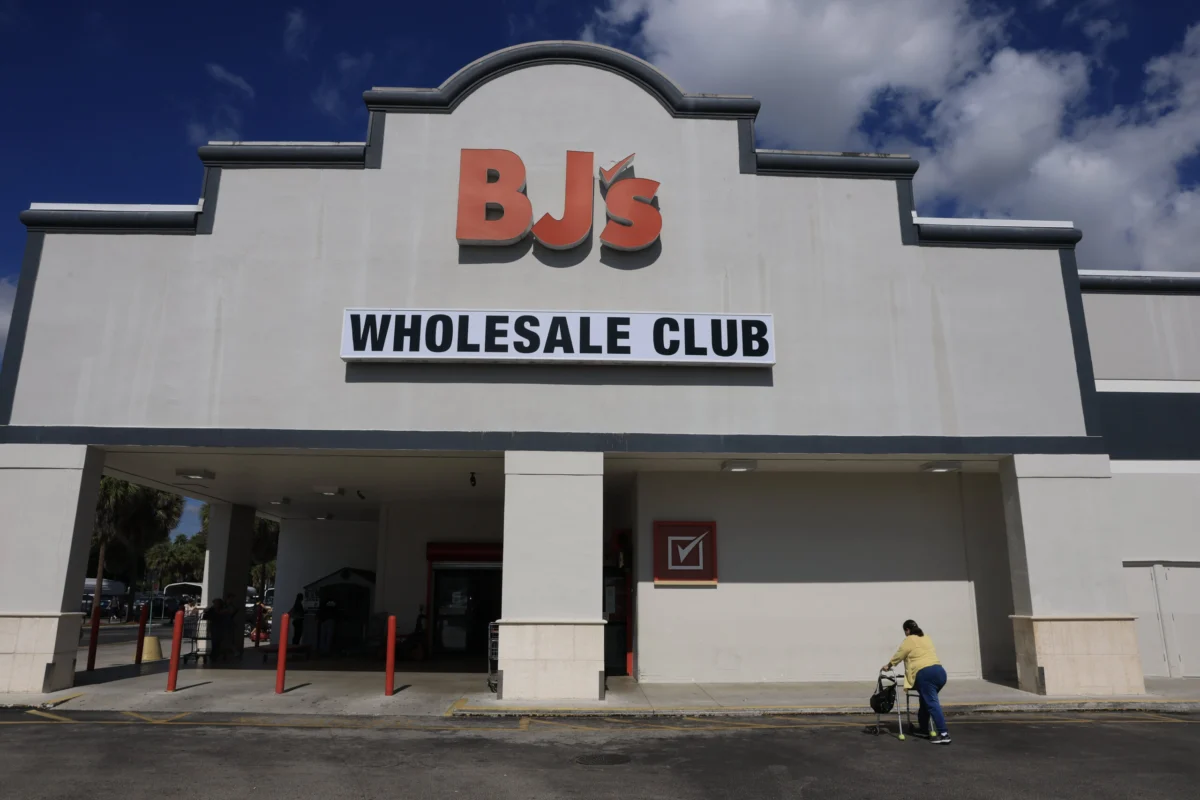
BJ’s Wholesale Club, a major big-box retailer, announced plans to reduce approximately 20% of its SKUs. For wholesale clubs, which typically offer a curated selection of bulk goods, this strategy is less about premium branding and more about optimizing floor space and driving sales into existing high-performing products. BJ’s CEO Robert Eddy explained that cutting "unnecessary choice," such as reducing the number of scents for a single body wash product, funnels consumer demand towards the remaining options. This not only pushes sales into fewer items but also creates room for entirely new product categories that were previously unoffered. Eddy noted, "That is sourcing sales growth as well and sort of giving us the formula where we can cut SKUs, and see sales go up, and see margin dollars go up." The company acknowledged a previous unsuccessful attempt at SKU reduction, indicating the nuanced challenge of finding the right balance. Their current approach focuses on removing redundancies rather than eliminating entire product lines.
Lululemon, the premium athletic apparel company, reported in September a 15% reduction in its North America SKUs. While Lululemon experienced significant sales growth, with revenues climbing over $500 million from fiscal 2024 to 2025, its operating profit paradoxically fell by approximately $300 million during the same period. This disconnect, where sales growth doesn’t translate to profit growth, is a clear signal of underlying issues, potentially related to excessive discounting or inventory management. The company’s shares have reflected investor concerns, declining around 65% over the past two years. Siegel commented on Lululemon’s situation, stating, "Selling fewer options is not the same as selling fewer things. Lulu has a long way to go, and simply cutting SKUs, simply saying we need to have better product is not the answer." He further warned that too much of even the best product can dilute a brand’s value, suggesting that a healthy saturation level for domestic revenue in such brands typically lies between $3 billion and $4 billion, beyond which the brand risks "cheapening what they stand for."
Even industry giants like Nike, despite reporting $20 billion in North American sales in fiscal 2026, are not immune to this trend. With shares experiencing a significant drop of around 45% in the current year, Nike has also embarked on a "rebalancing" of its portfolio. The company reduced revenue from classic footwear franchises by over $2 billion in fiscal 2026, as discussed in its fourth-quarter earnings call in June. This demonstrates that even market leaders are prioritizing strategic product management and profitability over sheer volume, adapting to evolving consumer preferences and market dynamics.
The "Shrink to Grow" Mandate: Prioritizing Profitability Over Volume
The phrase "shrink to grow" encapsulates the current strategic imperative for many retailers. It signifies a conscious decision to sacrifice short-term revenue volume in favor of long-term profitability, brand strength, and operational efficiency. For premium brands like Under Armour and Lululemon, this often involves regaining pricing power and reinforcing brand exclusivity. When a brand overextends its product line, it can inadvertently dilute its perceived value, forcing it into a cycle of promotions to move inventory. By curating a more focused assortment, these brands aim to create a stronger sense of desire and scarcity, allowing them to command higher full retail prices and improve gross margins.
This strategy is not without its challenges, particularly for publicly traded companies. Acknowledging that sales need to decline, even temporarily, for the business to achieve sustainable growth can be a difficult message to convey to investors who are often focused on top-line expansion. Siegel aptly described this predicament: "It’s hard for a company ever to say we need to shrink anything, but it’s dramatically harder to say we need to shrink revenues." He further observed that brands frequently reach a "healthy peak," then overextend themselves by forcing growth, only to find their way back down "pretty harshly." The current wave of SKU rationalization suggests that many retailers are choosing to proactively manage this potential decline, aiming for a controlled descent and a more stable base for future growth rather than a precipitous fall.

Balancing Act: Inventory Management in Discount and Wholesale
For small-box and big-box retailers such as Dollar General and BJ’s Wholesale Club, the drivers behind SKU reduction differ slightly from those of premium apparel brands. While profitability is still paramount, their focus is less on regaining pricing power and more on operational efficiency, inventory turnover, and optimizing the shopping experience for their value-conscious customers.
These retailers often carry thousands of brands and products, making efficient inventory management a monumental task. Removing certain products helps them streamline their supply chain, reduce warehouse space requirements, and minimize the risk of carrying obsolete or slow-moving stock. By focusing on core, high-demand items and eliminating redundant choices, they can ensure better stock availability of popular products, reduce out-of-stocks, and improve the overall efficiency of their distribution networks.
The strategy for these stores also involves a delicate balance between choice and curation. While consumers appreciate variety, an overwhelming number of similar options can lead to decision paralysis and inefficient use of shelf space. By surgically removing "unnecessary choice," as BJ’s CEO Robert Eddy described, these retailers can simplify the shopping experience, guide customers towards best-selling items, and even create opportunities to introduce entirely new product categories that align with evolving consumer needs. This approach, when executed correctly, can stabilize the business, enhance customer satisfaction through a more relevant product mix, and ultimately contribute positively to the bottom line.
The Perils and Promises of Product Curation
Successfully implementing a strategy of product assortment reduction is a nuanced endeavor, fraught with both potential benefits and significant risks.
Potential Benefits:
- Improved Profit Margins: By reducing slow-moving inventory and the need for markdowns, retailers can achieve higher average selling prices and better gross margins.
- Enhanced Brand Perception: For premium brands, a more curated and exclusive product line can reinforce brand desirability and luxury appeal.
- Operational Efficiency: Fewer SKUs lead to simpler procurement, warehousing, and distribution processes, reducing operational costs.
- Better Inventory Management: Lower inventory levels reduce carrying costs, minimize obsolescence risk, and free up capital.
- Focused Marketing: Resources can be concentrated on promoting a smaller, higher-impact selection of products.
- Sustainability: Reducing the sheer volume of products manufactured and transported can have positive environmental impacts.
Potential Risks:
- Customer Alienation: Retailers risk losing loyal customers who may seek out discontinued products from competitors. This is particularly true for items that hold unique value or solve specific niche needs.
- Reduced Sales Volume: While the goal is profitable sales, an overly aggressive cut might lead to a temporary or even permanent reduction in overall sales if the eliminated products were driving significant traffic or impulse purchases.
- Competitive Disadvantage: If competitors maintain a broader assortment that consumers prefer, the SKU-reduced retailer could lose market share.
- Missed Trends: A highly focused assortment might make it harder for retailers to quickly adapt to new fashion trends or consumer preferences.
- Execution Challenges: As BJ’s Wholesale Club noted with its past attempt, simply cutting SKUs without a clear strategic rationale can lead to unintended negative consequences, such as a direct drop in sales without corresponding margin improvements.
The success of SKU rationalization hinges on robust data analytics, a deep understanding of customer purchasing patterns, and a clear vision for the brand’s identity and market position. Retailers must carefully analyze sales data, customer feedback, and market trends to identify products that are truly redundant, unprofitable, or no longer align with the brand’s core mission, rather than making indiscriminate cuts.
Broader Implications: Consumers, Supply Chains, and the Retail Landscape Ahead
The widespread trend of retailers trimming their product assortments carries significant implications for various stakeholders and the broader economy.
For Consumers: The most immediate effect will be a reduction in choice. While some consumers may appreciate a more curated and less overwhelming shopping experience, others may lament the disappearance of their favorite niche products or preferred variants. This could lead to a shift in purchasing habits, with consumers either adapting to the new offerings or seeking out alternative retailers that still carry their desired items. In some cases, if brands successfully regain pricing power, consumers might face higher prices for the remaining, more exclusive products.
For the Supply Chain: SKU rationalization is largely a positive development for supply chain efficiency. Fewer distinct products mean less complexity in sourcing raw materials, manufacturing, warehousing, and transportation. This can lead to more streamlined operations, reduced lead times, and potentially lower logistics costs. It also makes supply chains more resilient to disruptions, as resources are concentrated on a smaller, more critical set of items. Manufacturers and suppliers, in turn, will face increased pressure to innovate and focus their production on high-performing, profitable SKUs, potentially leading to greater efficiency throughout the value chain.
For the Retail Sector: This trend signals a maturing and adapting retail environment. It suggests a move away from the "endless aisle" mentality, particularly in brick-and-mortar stores, towards a more intentional and profitable selection. It could also intensify competition, as retailers vie to offer the "right" assortment that resonates most strongly with their target demographic. The emphasis on profitability over sheer volume might lead to a more financially robust retail sector in the long run, better equipped to weather future economic uncertainties.
For the Economy: While individual company strategies, these collective actions reflect broader economic pressures. The focus on efficiency and profitability, rather than aggressive expansion, indicates a cautious outlook from businesses. It suggests that retailers anticipate continued consumer prudence and are proactively positioning themselves for sustained success in a potentially leaner economic cycle. This strategic recalibration, therefore, serves as a bellwether for the ongoing adjustments businesses are making in response to the post-pandemic economic realities.
In conclusion, the decision by a growing number of retailers to drastically cut their product assortments is a multifaceted strategic response to current economic headwinds and evolving consumer behavior. Driven by the imperative to clean up balance sheets, boost profitability, and regain pricing power, this "shrink to grow" philosophy marks a significant shift in retail operations. While challenging to execute and potentially impacting consumer choice, this trend reflects a mature industry adapting to new realities, aiming for a more efficient, profitable, and sustainable future in an increasingly discerning market.
