

Russian President Vladimir Putin has declared that the conflict in Ukraine is nearing its conclusion, while also suggesting former German Chancellor Gerhard Schröder as a potential mediator for discussions between Russia and the European Union. This statement, made during commemorations of Victory Day in Moscow, comes at a time of renewed diplomatic overtures and ongoing geopolitical tensions.
Putin’s Declaration and Mediation Proposal
Speaking in Moscow following the annual Victory Day parade, which commemorates the Soviet Union’s victory over Nazi Germany in World War II, President Putin expressed his belief that the "matter is nearing its end." This assertion, made on a Saturday, marks a significant declaration from the Kremlin regarding the protracted conflict. Putin further elaborated on potential pathways toward de-escalation, stating that he had been informed by Slovak Prime Minister Robert Fico that Ukrainian President Volodymyr Zelenskyy was open to a personal meeting.
The prospect of a direct meeting between Putin and Zelenskyy, however, is contingent on the prior agreement of a lasting peace accord. Putin indicated that such a meeting could potentially take place in a third country, emphasizing the prerequisite of a comprehensive peace settlement.
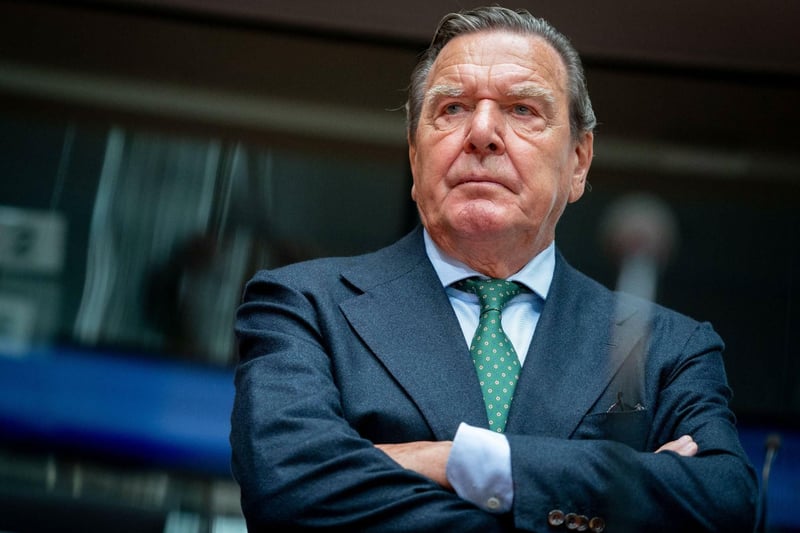
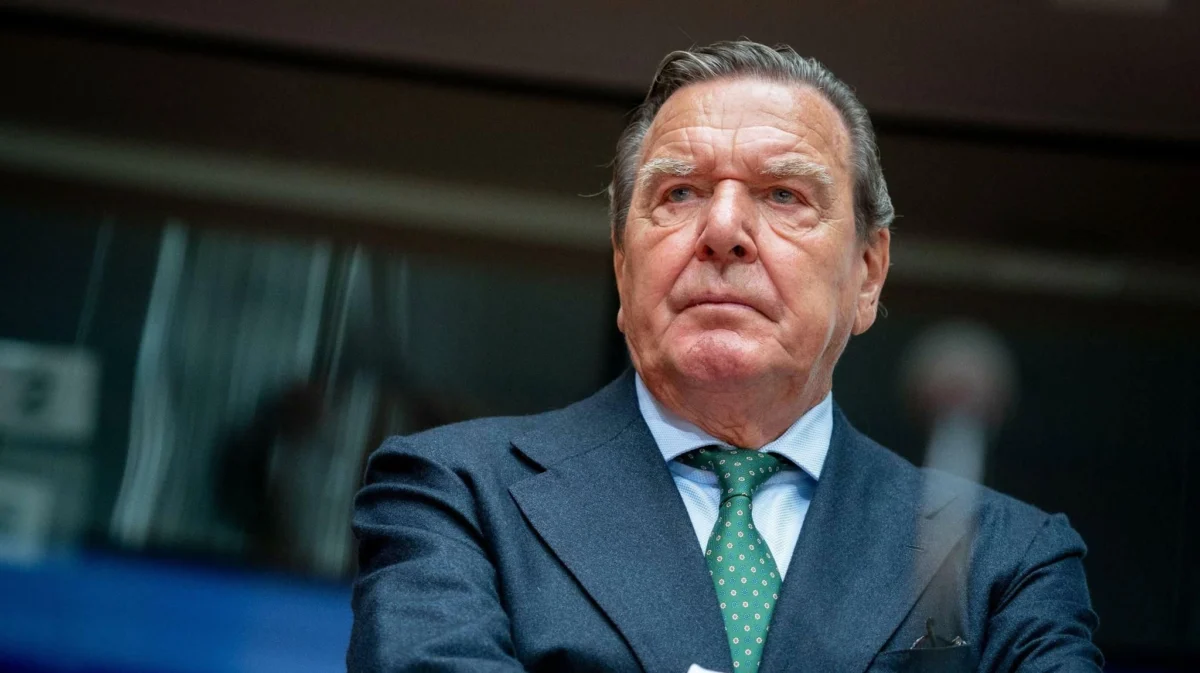
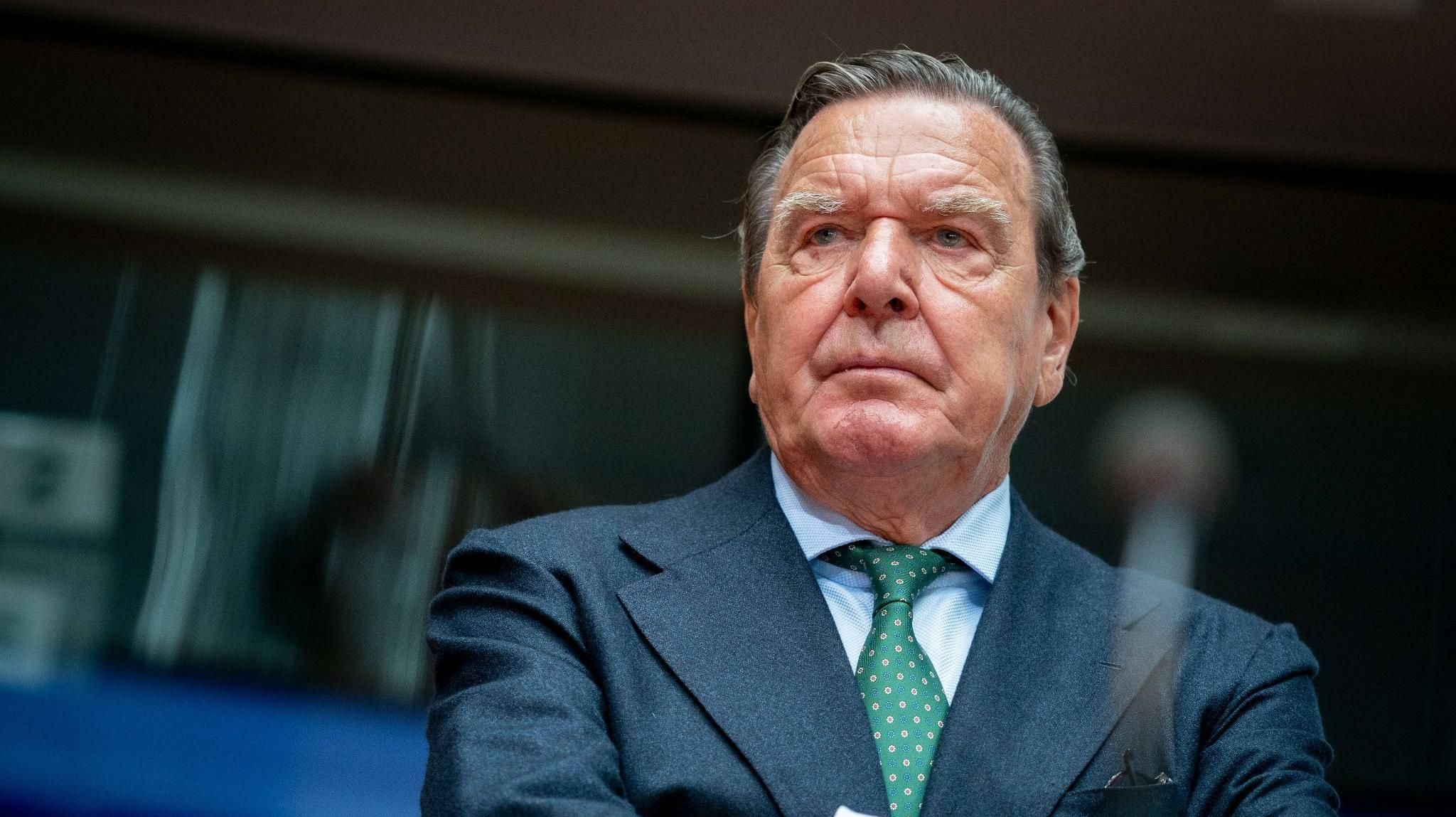
Crucially, when questioned about potential negotiations with European counterparts, Putin specifically named former German Chancellor Gerhard Schröder as his preferred mediator. This suggestion places Schröder, a figure with a long-standing and at times controversial relationship with Russia, at the center of potential diplomatic efforts. The Kremlin has previously stated that it views it as the responsibility of European governments to initiate a renewed dialogue, citing their decision to break contact with Moscow in 2022 following the commencement of the war in Ukraine.
Background and Context
The war in Ukraine, which began with Russia’s full-scale invasion on February 24, 2022, has had profound global implications, including widespread geopolitical realignments, significant humanitarian crises, and considerable economic disruption. Millions of Ukrainians have been displaced, and the conflict has led to substantial loss of life and destruction of infrastructure.

Gerhard Schröder’s tenure as German Chancellor from 1998 to 2005 was characterized by a policy of engagement with Russia. Following his chancellorship, Schröder took on prominent roles in Russian energy companies, further solidifying his ties with the country and its leadership, particularly with President Putin. These connections have been a source of significant controversy, especially after Russia’s annexation of Crimea in 2014 and the full-scale invasion of Ukraine in 2022. Critics in Germany and internationally have decried Schröder’s continued association with Russian state-controlled entities, viewing it as a conflict of interest and a tacit endorsement of Russian actions.
Schröder’s Controversial Role
The suggestion of Schröder as a mediator is particularly charged given his past close relationship with Putin. In Germany, Schröder faced considerable criticism and calls for his expulsion from the Social Democratic Party (SPD), the party he was a member of. Despite these pressures, the now 82-year-old former Chancellor ultimately remained within the SPD. His willingness and capacity to act as an impartial mediator, given his documented past affiliations, remains a subject of intense debate.

The proposal raises questions about whether the European Union would accept Schröder as a credible intermediary. The bloc has consistently condemned Russia’s aggression and imposed extensive sanctions. The German government, in Berlin, has previously stated that it would not speculate on the timing of potential negotiations, emphasizing that any future talks would require a clear focus on ending the war and would necessitate coordinated action among European nations and Ukraine. A spokesperson for the German government, when questioned on Friday, reiterated that Russia and Putin apparently have no interest in serious negotiations at the current time, and that a coordinated European approach, along with Ukraine, would be paramount.
Diplomatic Landscape and Potential Implications
Putin’s declaration of the war nearing its end, coupled with the proposed mediation, could signal a strategic shift or an attempt to influence international perception. The timing, immediately following the Victory Day parade, underscores the Kremlin’s narrative of Russian resilience and eventual triumph.

The inclusion of Schröder in the discourse introduces a complex element. While his past access and perceived understanding of the Russian leadership might be seen by some as advantageous, his deeply compromised standing in the West presents a significant hurdle. For any mediation effort to be successful, it would require the trust and acceptance of all parties involved, including Ukraine and the key EU member states.
The "Financial Times" had reported earlier that EU leaders were preparing for potential talks, suggesting that diplomatic channels, however strained, remain open. However, the German government’s cautious stance highlights the prevailing skepticism regarding Russia’s genuine commitment to peace negotiations.

The potential implications of this development are multifaceted:
- Shift in Russian Strategy: Putin’s declaration could indicate a belief that Russia has achieved its immediate military objectives or that the protracted conflict has become unsustainable. Alternatively, it could be a rhetorical maneuver to pressure Ukraine and its allies into concessions.
- EU Response to Mediation: The EU’s reaction to the proposal of Schröder as a mediator will be critical. Any acceptance would likely be met with widespread criticism, given his past actions and statements. A rejection would reinforce the existing diplomatic impasse.
- Impact on Ukraine: For Ukraine, any potential negotiation must prioritize its sovereignty and territorial integrity. The involvement of a figure like Schröder, perceived by many as pro-Russian, could be seen as undermining their position.
- Geopolitical Dynamics: The proposal highlights the ongoing efforts to find a diplomatic resolution, even amidst continued military action. It also underscores the complex web of relationships and historical ties that continue to shape the conflict.
Schröder’s Past and Present
Gerhard Schröder’s political career is indelibly linked to his complex relationship with Russia. As Chancellor, he championed energy cooperation and maintained a dialogue with Moscow, even as Western nations expressed concerns about Russia’s democratic trajectory. After leaving office, his directorships at companies like Nord Stream AG and Rosneft placed him in a position of significant influence and controversy.

Following the full-scale invasion of Ukraine, Schröder faced immense pressure to distance himself from Russia. While he eventually resigned from his positions on the boards of Russian companies, his continued defense of some of Russia’s actions and his persistent ties to Putin have made him a polarizing figure. His advocacy for dialogue, however, has been framed by some as a pragmatic approach to conflict resolution, while others view it as a naive or even complicit stance.
The question remains whether Schröder, given his past, could effectively bridge the divide between Russia and the EU. His supporters might argue that his personal relationship with Putin could offer a unique channel for communication that others lack. Critics, however, would contend that his past actions have irrevocably damaged his credibility and rendered him an unsuitable mediator for a conflict involving Russia’s unprovoked aggression.

The Path Forward
The current situation remains fluid, with diplomatic efforts seemingly gaining momentum, albeit through unconventional channels. The coming weeks and months will likely reveal the extent to which Putin’s pronouncements translate into concrete diplomatic actions and how the international community, particularly the European Union and Ukraine, responds to these overtures. The role of Gerhard Schröder, whether as a facilitator or a point of contention, will undoubtedly be a significant factor in these unfolding developments. The ultimate outcome of the conflict will depend on a confluence of military realities, political will, and the success of any diplomatic initiatives that emerge from this complex geopolitical landscape.
