

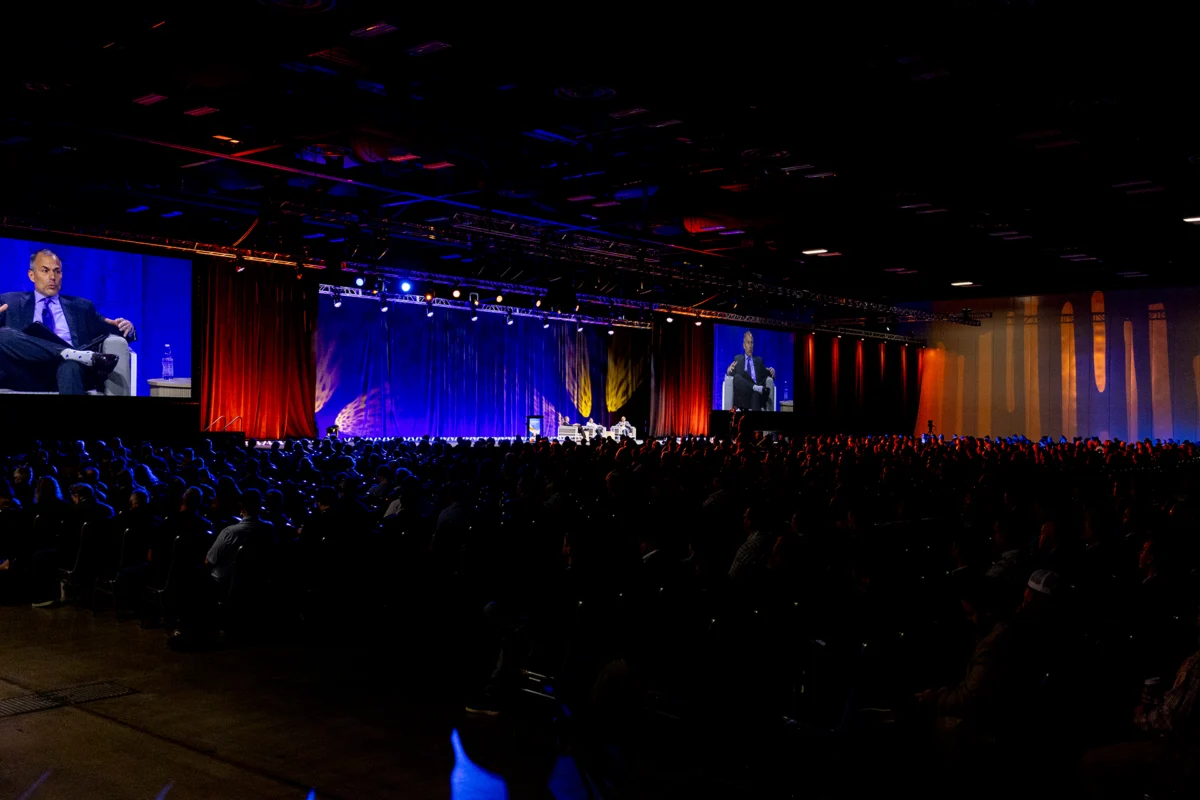
The organizers of POWERGEN International, the world’s largest networking and business hub for power generation professionals, have officially unveiled the keynote program for the 2027 summit, scheduled to take place from January 18–21, 2027, at the Salt Palace Convention Center in Salt Lake City, Utah. This high-level assembly arrives at a critical juncture for the North American energy sector, which is currently grappling with a triad of challenges: an unprecedented surge in electricity demand, the rapid integration of artificial intelligence into grid management, and the intensifying need for cybersecurity resilience. The 2027 program is designed to bridge the gap between traditional utility operations and the high-tech requirements of a decarbonizing, digitalized economy.
A Strategic Convergence at a Pivotal Moment for the Grid
The announcement of the 2027 keynote lineup follows a period of significant transition within the utility sector. As the industry moves toward the late 2020s, the "next build cycle" has become a central theme for executives who must balance the retirement of aging thermal assets with the deployment of renewable energy and small modular reactors (SMRs). Salt Lake City, a burgeoning tech hub with deep ties to the energy-rich Intermountain West, provides a symbolic backdrop for these discussions.
The keynote sessions will feature a diverse array of perspectives, ranging from the CEOs of major multi-state utilities like PacifiCorp to federal reliability experts and cybersecurity specialists. According to Wayne Bishop, Executive Vice President of Energy at Clarion Events, the 2027 program is intended to address a "defining moment" where demand growth and technological innovation converge. The event is expected to draw thousands of attendees, including engineers, policy makers, and technology providers, all seeking a roadmap for the next decade of energy production.
Opening Keynote: Navigating the Surge in Supply and Demand
The summit officially opens on Tuesday, January 19, with a headline session titled "Supply, Demand and the Next Build Cycle." This executive roundtable will focus on the most pressing issue facing modern utilities: the return of significant load growth. After decades of relatively flat demand, the U.S. power sector is experiencing a spike driven by the massive expansion of data centers, the reshoring of heavy manufacturing, and the continued electrification of the transportation sector.
The Tuesday panel features a formidable lineup of regional and national leaders, including Dick Garlish, President of Rocky Mountain Power, and Darin Carroll, CEO of PacifiCorp. They will be joined by Curtis Mansfield, Senior Vice President of Power Delivery at PacifiCorp; Elaina Ball, Chief Strategy Officer at CPS Energy; and Jacob Tetlow, Chief Operating Officer at Arizona Public Service (APS).
Industry data suggests that the stakes for this discussion could not be higher. According to recent forecasts from the North American Electric Reliability Corporation (NERC), electricity demand in the United States is projected to grow by nearly 5% over the next five years, a rate not seen since the mid-20th century. The speakers are expected to discuss how their respective organizations are accelerating capital expenditure to meet this demand while maintaining the reliability standards that consumers and industrial partners expect.

Wednesday: The Intersection of Cybersecurity and Artificial Intelligence
On January 20, the focus shifts from physical infrastructure to the digital frontier. The Wednesday keynote, "Securing the Grid in the Age of AI," addresses the dual-edged sword of digital transformation. While AI offers the potential to optimize grid performance and predict equipment failures before they occur, it also introduces new vulnerabilities into the critical infrastructure ecosystem.
The panel for this session includes Brian Harrell, Chief Security Officer at FirstEnergy and former Assistant Secretary at the Department of Homeland Security; Puesh Kumar, Senior Vice President of Enterprise Security at American Electric Power (AEP); Adrienne Lotto, Senior Vice President of Grid Security at the American Public Power Association (APPA); and Dino DiMarino, Chief Revenue Officer at the cybersecurity firm Tenable.
The discussion is anticipated to cover the evolving threat landscape, where state-sponsored actors and cyber-criminals increasingly target energy assets. Furthermore, the speakers will explore how generative AI is being used both to defend the grid through automated threat detection and to potentially exploit legacy systems. This session highlights a shift in utility priorities, where "security" is no longer a siloed IT function but a core component of operational reliability and corporate strategy.
Thursday: Closing the Performance Gap and Ensuring Reliability
The final keynote of the event will take place on Thursday, January 21, at POWERGEN’s "Center Stage," located directly on the exhibition floor. This interactive setting is designed to foster a more direct dialogue between speakers and the professional audience. Titled "When the Grid Needs It Most: Reliability, Readiness and the Performance Gap," this session focuses on the technical and operational realities of keeping the lights on during extreme conditions.
The panel features Mike Caravaggio, Vice President of Energy Supply-Reliability at the Electric Power Research Institute (EPRI); Mark Lauby, NERC Fellow and Chief Engineer; David Kezell, Director of Weatherization at ERCOT; and Matt Gardner, Vice President of Power Generation System Operations at Dominion Energy.
This session will delve into the "performance gap"—the discrepancy between the rated capacity of generation assets and their actual output during extreme weather events, such as Winter Storms Elliott and Gerri. David Kezell’s presence is particularly noteworthy, as his work with the Electric Reliability Council of Texas (ERCOT) has been instrumental in implementing new weatherization standards following the 2021 Texas power crisis. The experts will share insights into how utilities can improve the resilience of their existing fleets while integrating more intermittent renewable sources.
Chronology of the POWERGEN 2027 Event
To provide a clear view of the event’s progression, the following timeline outlines the key milestones for the 2027 summit:

- November 5, 2026: Official announcement of the keynote lineup and opening of registration.
- January 18, 2027: Pre-conference workshops, technical tours of local energy facilities, and the opening of the networking lounges.
- January 19, 2027 (Morning): Opening Keynote: "Supply, Demand and the Next Build Cycle."
- January 19, 2027 (Afternoon): Technical breakout sessions focusing on hydrogen, gas turbines, and nuclear energy.
- January 20, 2027 (Morning): Wednesday Keynote: "Securing the Grid in the Age of AI."
- January 20, 2027 (Afternoon): Exhibition floor demonstrations of new grid-scale storage solutions and AI-driven maintenance tools.
- January 21, 2027 (Morning): Closing Keynote at Center Stage: "Reliability, Readiness and the Performance Gap."
- January 21, 2027 (Afternoon): Final exhibition hours and adjournment of the 2027 summit.
Analysis: The Economic and Technical Implications of the 2027 Agenda
The themes selected for POWERGEN 2027 reflect a broader economic reality: the energy transition is no longer just about carbon reduction; it is about economic survival. As the United States attempts to lead in the development of AI and semiconductor manufacturing, the availability of reliable, low-cost power has become a primary competitive advantage.
The inclusion of AI as a standalone keynote topic indicates that the industry has reached a "tipping point" regarding data utilization. For years, utilities have collected vast amounts of data from smart meters and sensors that remained largely underutilized. In 2027, the focus is on deploying large language models and machine learning to manage the "duck curve" of solar production and to balance the load of millions of electric vehicles.
Furthermore, the emphasis on the "Next Build Cycle" suggests a pivot back toward large-scale infrastructure projects. After a decade of focusing on decentralized energy resources (DERs), there is a growing consensus among utility leaders that the massive demand from data centers—some of which require upwards of 1,000 megawatts—can only be met through a combination of grid-scale renewables and firm, dispatchable baseload power.
About the Organizers and the Venue
POWERGEN International is produced by Clarion Events North America. Based in Shelton, Connecticut, Clarion is one of the fastest-growing event organizers in the United States, specializing in industry-leading trade shows that combine high-level content with extensive networking opportunities. Their energy portfolio is regarded as the gold standard for the sector, providing a neutral ground for competitors to discuss shared challenges.
The choice of the Salt Palace Convention Center in Salt Lake City for the 2027 event is strategic. Utah has become a focal point for energy innovation, housing projects like the Advanced Clean Energy Storage (ACES) hub and several pioneering geothermal initiatives. The city’s infrastructure is well-equipped to handle the influx of international delegates, and the local energy landscape provides real-world examples of the "all-of-the-above" energy strategy that many of the keynote speakers advocate.
As the industry prepares for the January 2027 gathering, the eyes of the global energy community will be on Salt Lake City. The solutions discussed and the partnerships formed during these four days will likely dictate the trajectory of power generation and grid reliability for years to come. For more information and updates on the program, industry professionals are encouraged to visit the official event website.
