

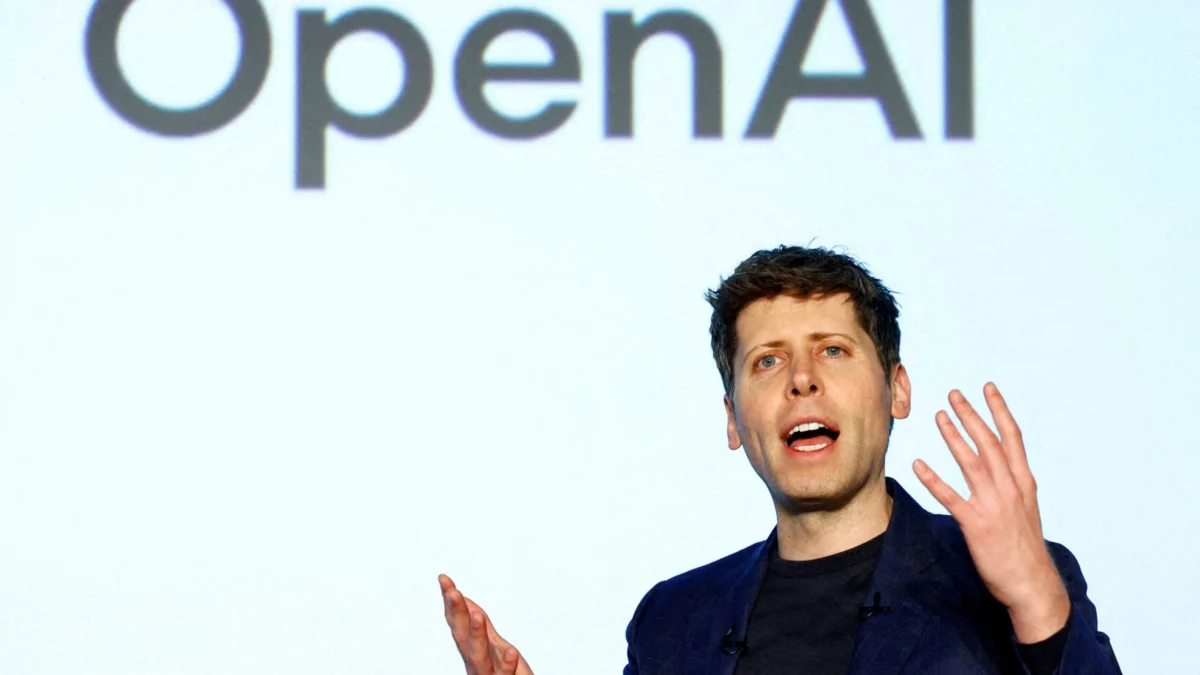
OpenAI, the artificial intelligence research and deployment company behind the widely popular ChatGPT, has reportedly secured a substantial $11 billion in a new funding round, propelling its valuation to an impressive $1.25 trillion. This significant influx of capital comes amidst a fervent global investment surge in artificial intelligence, underscoring the immense commercial interest and perceived future potential of AI technologies. The funds were transferred on Friday, according to a report by Bloomberg, citing individuals familiar with the matter. The funding round, which is anticipated to reach a total of up to $20 billion, is expected to be finalized in the coming weeks.
A Strategic Pivot Amidst Market Volatility
While the reported valuation marks a significant milestone for OpenAI, the company has reportedly adjusted its initial fundraising targets. Previously, OpenAI was said to be seeking over $30 billion at a valuation of approximately $1.4 trillion. The recalibration of these ambitious goals is attributed to a broader market trend of increased scrutiny and a broader sell-off in artificial intelligence stocks, coupled with growing investor concerns regarding the substantial operational costs associated with developing and deploying advanced AI infrastructure.
This adjustment reflects a pragmatic approach by OpenAI’s leadership to navigate a rapidly evolving market landscape. The sheer expense of training and running large language models, which require immense computational power and specialized hardware, has become a focal point for investors. Consequently, companies in the AI sector are facing increased pressure to demonstrate clear pathways to profitability and sustainable business models, beyond the initial excitement of technological breakthroughs.

The Broader Context of AI Investment
The massive investment in OpenAI is not an isolated event but rather a prominent example of a wider trend that has seen venture capital and corporate investment pour into the artificial intelligence sector. Following the viral success of ChatGPT, which demonstrated the potential of generative AI to a mainstream audience, a fierce competition has emerged among technology giants and startups alike to capture market share and develop next-generation AI capabilities.
This surge in funding has enabled companies to accelerate research and development, expand their talent pools, and scale their operations. However, it has also led to an increase in valuations that some analysts consider to be inflated, raising questions about the long-term sustainability of such rapid growth. The current market environment, characterized by a "flight to quality" and a greater emphasis on profitability, is forcing AI companies to justify their valuations with tangible revenue streams and strategic roadmaps.
Timeline of OpenAI’s Funding Endeavors
OpenAI’s journey to this significant funding round has been marked by strategic partnerships and ambitious growth. The company, initially founded as a non-profit research organization in 2015, transitioned to a "capped-profit" model in 2019, allowing it to raise capital while maintaining its original mission.
A pivotal moment in its funding history was the multi-billion dollar investment from Microsoft in early 2023, a deal that significantly bolstered OpenAI’s financial resources and provided access to Microsoft’s extensive cloud computing infrastructure and distribution channels. This partnership has been instrumental in the rapid scaling and deployment of OpenAI’s technologies. The current funding round, reportedly involving a consortium of investors, signifies a continued confidence in OpenAI’s long-term vision and its ability to maintain a leading position in the AI landscape.

Investor Sentiment and Market Dynamics
The recent cooling of sentiment towards AI companies, as noted in the report, is a significant factor influencing fundraising strategies. Investors are becoming more discerning, moving beyond the initial hype to scrutinize the underlying business fundamentals and competitive moats of AI startups. This shift is evident in the adjusted valuations for companies like Anthropic, a rival AI firm, which reportedly saw its valuation expectations for an upcoming IPO revised downwards from an initial projection of $2 trillion to approximately $1.5 trillion.
This recalibration suggests a maturing market where investors are seeking more concrete evidence of market penetration, revenue generation, and a sustainable competitive advantage. The immense costs associated with AI development, including the need for vast datasets, powerful computing resources, and highly specialized talent, mean that profitability remains a critical, albeit challenging, objective for many AI companies.

Implications for the AI Industry
The substantial investment in OpenAI carries significant implications for the broader artificial intelligence industry. Firstly, it reinforces OpenAI’s position as a dominant player and a key driver of innovation in the generative AI space. The influx of capital will likely enable the company to accelerate its research into more advanced AI models, explore new applications, and expand its market reach.
Secondly, it sets a benchmark for future funding rounds in the AI sector. While the current market may be more cautious, the successful closure of such a large funding round by OpenAI could signal renewed investor appetite for promising AI ventures, provided they can articulate a clear path to commercial success.

However, the high valuations also raise concerns about market sustainability and potential for a bubble. As the AI market continues to mature, the focus will increasingly shift from technological prowess to business execution, customer acquisition, and profitability. Companies that can effectively translate their AI capabilities into tangible business value will be best positioned for long-term success.
The Competitive Landscape and Future Outlook
OpenAI’s continued growth and significant funding underscore the intense competition within the AI sector. Tech giants like Google, Meta, and Microsoft are heavily investing in their own AI research and development, aiming to integrate AI capabilities across their product ecosystems. Startups are also emerging with innovative solutions, pushing the boundaries of what AI can achieve.

The future outlook for OpenAI and the AI industry as a whole remains dynamic. While the current investment climate presents challenges, the underlying technological advancements and the increasing demand for AI-powered solutions suggest a robust growth trajectory. The ability of companies like OpenAI to manage their operational costs effectively, demonstrate clear value propositions, and navigate regulatory landscapes will be crucial in shaping the future of artificial intelligence.
A spokesperson for OpenAI declined to comment on the Bloomberg report when contacted by Reuters. This silence is not uncommon in the context of major funding rounds, as companies often prefer to control the narrative and timing of such announcements. However, the lack of immediate official confirmation leaves room for further developments and potential clarifications from the company. The sheer scale of the reported funding and valuation, nonetheless, signals a significant moment for both OpenAI and the burgeoning field of artificial intelligence. The strategic implications of this capital infusion are vast, potentially accelerating the pace of AI development and its integration into various aspects of the global economy.
