

The modern restaurant industry is undergoing a significant transformation, characterized by a shift toward established franchise models that offer a degree of security and operational sophistication rarely found in independent startups. Current market data indicates that restaurant franchises maintain a success rate of between 80% and 90%, a stark contrast to the high failure rates observed among independent culinary ventures. This stability is driven by a combination of robust brand recognition, standardized supply chains, and the integration of advanced digital marketing technologies. As the total sales for the United States restaurant industry are projected to surpass $1.1 trillion in 2024, prospective investors are increasingly scrutinizing Average Unit Volume (AUV) and operational efficiency as the primary metrics for long-term viability.
The Economic Logic of the Franchise Model
The preference for franchising over independent ownership is rooted in risk mitigation. In a volatile economic environment marked by fluctuating food costs and labor shortages, the "proven system" of a franchise provides a buffer. Established brands offer a blueprint for everything from kitchen layout to employee training, which significantly reduces the "learning curve" costs that often sink new businesses. Furthermore, the collective bargaining power of a large franchise network allows individual owners to access ingredients and equipment at rates far lower than those available to independent operators.

Digital integration has also become a non-negotiable factor in franchise success. Modern franchises leverage centralized apps, loyalty programs, and data analytics to drive customer retention. This technological infrastructure, which would be prohibitively expensive for a single-unit independent restaurant to develop, is provided as part of the franchise package, ensuring that even small-scale owners can compete in the digital marketplace.
Chick-fil-A: The Gold Standard of Unit Profitability
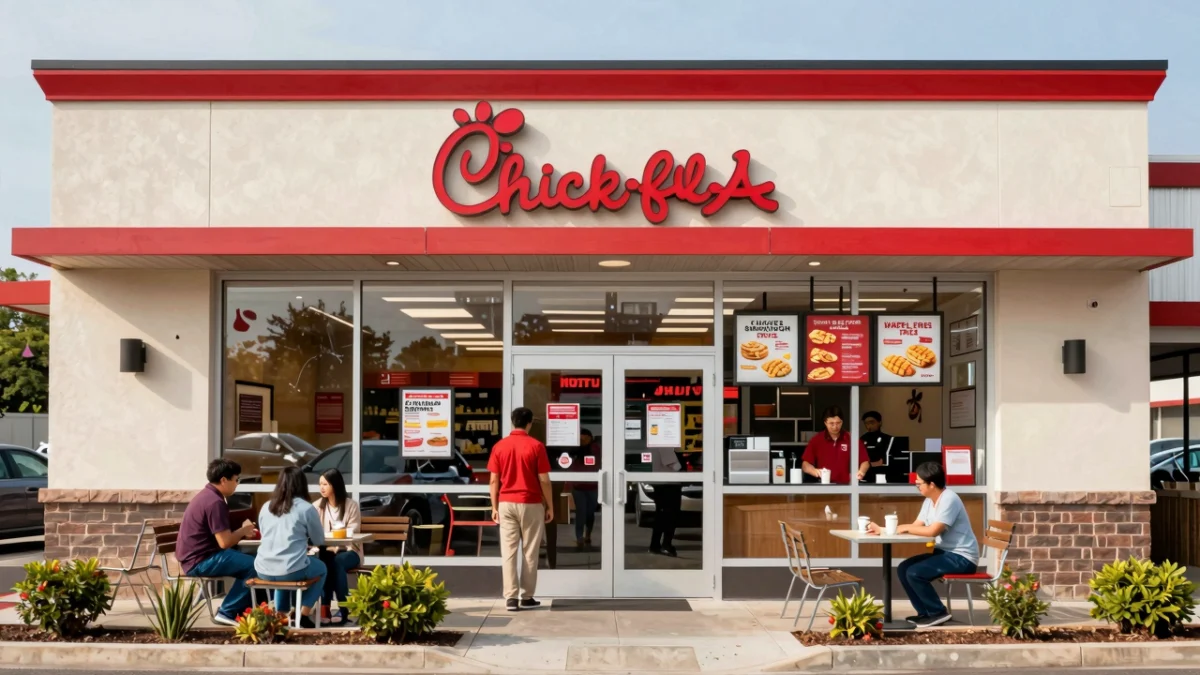
Chick-fil-A remains the undisputed leader in terms of per-unit performance. Despite being closed on Sundays—a policy that effectively removes 52 days of potential revenue per year—the brand reports an industry-leading Average Unit Volume of approximately $7.5 million. This figure is nearly double that of many of its closest competitors in the Quick Service Restaurant (QSR) space.
The Chick-fil-A model is unique in the industry. The company employs a highly selective "Operator" model rather than a traditional "Franchisee" model. While the initial financial barrier to entry is remarkably low—often cited at $10,000—the selection process is rigorous, with the company accepting fewer than 1% of applicants annually. This strategy ensures that every location is managed by a highly vetted individual who is deeply involved in daily operations. The brand’s success is attributed to its "Second Mile Service" philosophy and a streamlined menu that prioritizes speed and quality, fostering a level of brand loyalty that translates directly into consistent year-over-year growth.

Raising Cane’s and the Power of Specialization
Raising Cane’s Chicken Fingers has emerged as a formidable force in the industry by adhering to a philosophy of extreme simplification. By focusing almost exclusively on a single core product—high-quality chicken finger meals—the brand has achieved an AUV of $6.56 million across its more than 700 locations.
The lack of menu complexity allows Raising Cane’s to maintain exceptionally high margins and operational throughput. In a typical QSR environment, menu expansion often leads to increased waste and slower service times. Raising Cane’s avoids these pitfalls, focusing instead on kitchen efficiency and a high-energy culture. This "One Love" strategy has allowed the brand to scale rapidly while maintaining a lean supply chain, making it one of the most efficient operations in the fast-casual segment.
Capitalizing on Consumer Trends: Bojangles and the Breakfast Surge
The "breakfast daypart" has become the most competitive frontier in the restaurant business, and Bojangles is positioned at the center of this trend. Based in the Southeast, Bojangles has successfully leveraged its "made-from-scratch" biscuit reputation to capture a significant share of the morning market.

Industry analysts note that breakfast is often the most profitable meal of the day due to lower ingredient costs and high coffee margins. Bojangles’ strategy involves a dual focus on morning commuters and traditional "all-day" Southern comfort food. By modernizing its store designs and expanding its footprint into new territories, the brand is capitalizing on the consumer shift toward convenient, high-quality breakfast options that bridge the gap between traditional fast food and casual dining.
Crumbl Cookies: A Case Study in Social Media and Scarcity
The rise of Crumbl Cookies represents a new era of "viral" franchising. With an AUV of $1.84 million, Crumbl has redefined the dessert category by utilizing a rotating menu strategy. Each week, the brand introduces a new selection of gourmet cookies, creating a "fear of missing out" (FOMO) among its customer base.
This model is heavily supported by a sophisticated social media presence, particularly on platforms like TikTok and Instagram, where "cookie reviews" have become a cultural phenomenon. From an operational standpoint, the limited weekly menu allows for precise inventory management and reduced labor costs. The brand’s rapid expansion—surpassing 900 locations in a relatively short timeframe—demonstrates how digital engagement can be converted into physical foot traffic and high-volume sales.

QDOBA and the Diversification of Revenue Streams
In the fast-casual Mexican segment, QDOBA has distinguished itself through its focus on diverse revenue streams, specifically catering and third-party delivery integration. With an AUV exceeding $2.3 million, QDOBA offers a flexible footprint that ranges from traditional standalone units to non-traditional locations such as airports and universities.
The brand’s "no upcharge for guac and queso" policy has served as a powerful marketing tool, building brand equity in a crowded market. More importantly, QDOBA’s robust catering platform provides a significant buffer against fluctuations in dine-in traffic. By targeting corporate events and social gatherings, franchisees can generate high-ticket orders that optimize kitchen utilization during off-peak hours.
Financial Realities and Investment Requirements
While the revenue potential of these franchises is significant, the initial investment required varies widely. For brands like Little Caesars, the appeal lies in a combination of high brand recognition and a relatively accessible entry point. A Little Caesars franchise often appeals to multi-unit operators looking for a high-volume, low-complexity model.

Prospective franchisees must consider several financial layers:
- Liquid Capital: Most top-tier franchises require between $100,000 and $500,000 in liquid assets.
- Net Worth: Total net worth requirements can range from $500,000 to over $1.5 million.
- Royalties and Ad Fees: Ongoing royalty fees typically range from 4% to 6% of gross sales, with an additional 2% to 4% allocated to national and local advertising funds.
The Evolution of Operational Support
A critical component of the 80-90% success rate is the level of support provided by the franchisor. Modern restaurant groups have transitioned from simple "manual-based" training to comprehensive ecosystems. This includes real-time POS (Point of Sale) data monitoring, which allows corporate offices to identify underperforming units and provide targeted intervention.
Furthermore, the "ghost kitchen" and "off-premise" trends have forced franchisors to redesign their physical footprints. Many new franchise models now prioritize smaller dining rooms and dedicated "pickup windows" for delivery drivers, reflecting a permanent shift in consumer behavior toward off-site consumption.

Future Implications: Technology and Sustainability
Looking ahead, the restaurant franchise sector is expected to lean more heavily into automation and sustainable practices. With labor costs rising, many brands are testing AI-driven ordering systems and automated kitchen equipment to maintain margins. Additionally, consumers are increasingly demanding transparency in sourcing and eco-friendly packaging, areas where large-scale franchises have the resources to lead the market.
The decision to invest in a restaurant franchise is no longer just about food; it is an investment in a technology-driven logistics platform. As brands like Chick-fil-A and Raising Cane’s continue to set new benchmarks for AUV, the gap between the industry’s top performers and the rest of the field is likely to widen. For the savvy investor, the path to success lies in identifying brands that not only have a strong current market position but also the agility to adapt to the next decade of technological and cultural shifts.
In conclusion, the restaurant franchise industry offers a structured, high-probability path to entrepreneurial success, provided that investors conduct thorough due diligence. By focusing on brands with high unit volumes, streamlined operations, and a clear handle on modern consumer trends, franchisees can build resilient businesses capable of thriving in even the most competitive economic landscapes.
