

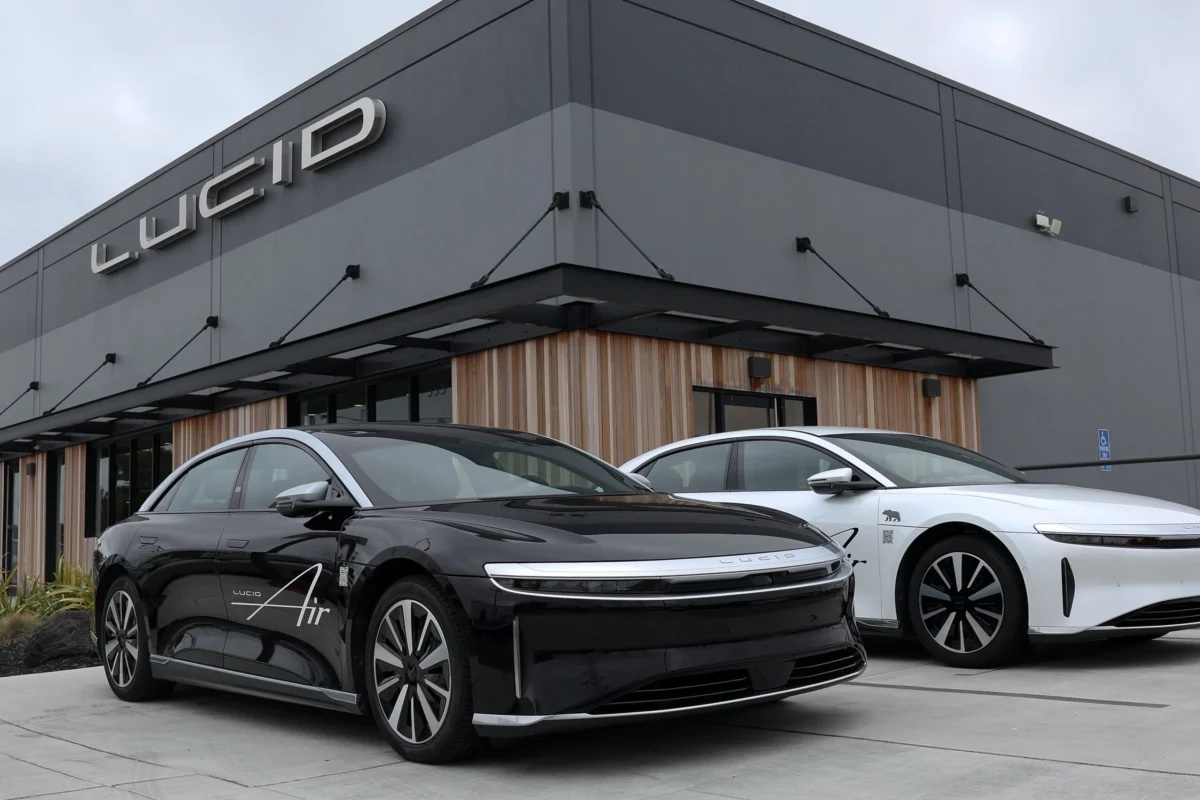
Luxury electric vehicle manufacturer Lucid Group has reported a 6.7% year-over-year decrease in vehicle deliveries during the third quarter of 2024, a direct consequence of the company’s deliberate decision to cut production in an effort to align output with evolving customer demand. This strategic recalibration, initiated under the leadership of its new Chief Executive Officer, Silvio Napoli, signals a pivotal moment for the embattled automaker as it strives to optimize operations and conserve capital in a challenging market landscape.
Q3 Performance and Production Adjustments
During the three-month period spanning July through September, Lucid delivered 3,806 electric vehicles (EVs) to customers. This figure represents a notable decline from the 4,078 EVs delivered in the corresponding quarter of the previous year. Concurrently, the company’s production output for Q3 stood at 2,954 vehicles, a significant reduction from the 3,891 units produced in the year-ago period. The decision to scale back production was primarily driven by an "operational reset" that saw the company transition its Arizona manufacturing plant from a two-shift operation to a single shift. This adjustment reflects a proactive measure to manage inventory levels more effectively and reduce capital expenditure in response to what the company has identified as a period of slower customer demand for its premium electric sedans.
Despite the quarterly dip, Lucid’s year-to-date performance through the third quarter presents a more nuanced picture. Deliveries have climbed 3.4% compared to the same period last year, while overall production has surged by 33%. This year-to-date growth highlights the company’s aggressive production ramp-up during the earlier parts of 2024 and late 2023, before the recent strategic pivot. Lucid achieved its highest quarterly production of nearly 7,900 units during the fourth quarter of last year, followed by 5,500 units in the first quarter of this year. The subsequent production adjustments indicate a shift from a "growth at all costs" mentality to a more disciplined approach focused on efficiency and profitability.
Strategic Reset Under New Leadership
The comprehensive operational reset at Lucid is intrinsically linked to the arrival of CEO Silvio Napoli, who officially took the helm in June 2024. Napoli, a seasoned executive with a background in logistics and industrial operations, inherited a company grappling with significant financial burn rates and the complexities of scaling a luxury EV brand in a nascent, yet increasingly competitive, market. His immediate mandate has been to streamline operations, enhance efficiency, and fortify the company’s financial position.
A cornerstone of this turnaround plan is the identification of approximately $1.4 billion in cash flow improvement opportunities targeted for the current year. This ambitious initiative is broadly categorized into three key areas:
- Vehicle Inventory Management: Approximately $600 million to $800 million in improvements are expected from optimizing vehicle inventory levels. By reducing excess stock and aligning production more closely with actual sales, Lucid aims to free up significant working capital that would otherwise be tied up in unsold cars.
- Capital Expenditures (CapEx): A target of $500 million in savings has been set for capital expenditures. This suggests a re-evaluation of investment priorities, potentially deferring or optimizing spending on manufacturing expansion, new equipment, or research and development initiatives that are not immediately critical.
- Operating Expenses (OpEx): An additional $200 million in improvements is sought from reductions in operating expenses. This likely involves a thorough review of overheads, administrative costs, marketing expenditures, and other day-to-day operational outlays to identify areas for greater cost efficiency without compromising essential functions.
These measures, initially announced during the company’s second-quarter earnings report in August, underscore a robust commitment to financial prudence and a clear shift in operational strategy. The company aims to move towards a more sustainable business model, where profitability and cash generation take precedence alongside production growth.
Broader Market Context and Industry Headwinds
Lucid’s production adjustments occur within a broader landscape of evolving dynamics in the global electric vehicle market. While the long-term trajectory for EV adoption remains positive, the industry is currently navigating a period of normalization following years of hyper-growth. Several factors are contributing to this shift:

- Slower Demand Growth: The initial surge in EV demand, driven by early adopters and significant government incentives, is beginning to moderate. Mainstream consumers are often more price-sensitive and may be hesitant due to concerns about charging infrastructure availability, range anxiety, and the upfront cost of EVs compared to internal combustion engine (ICE) vehicles.
- Economic Pressures: High interest rates and inflationary pressures in key markets are impacting consumer purchasing power, particularly for high-value luxury items like Lucid’s Air sedan, which starts at a premium price point. Financing costs for new vehicles have increased, making expensive EVs less accessible to a wider demographic.
- Intensified Competition: The luxury EV segment, once relatively niche, is becoming increasingly crowded. Established automakers like Mercedes-Benz (EQS), BMW (i7), Audi (e-tron GT), and Porsche (Taycan) are rapidly expanding their electric offerings, directly competing with Lucid for affluent customers. Even Tesla, with its Model S and X, continues to be a formidable presence.
- Supply Chain Volatility: While some supply chain bottlenecks have eased, disruptions can still impact production schedules and material costs, adding another layer of complexity for manufacturers.
For a company like Lucid, which competes exclusively at the very top end of the market, these headwinds are particularly pronounced. The brand must not only deliver exceptional performance and luxury but also justify its premium pricing against a backdrop of increasing choices and economic caution.
Financial Backing and Long-Term Vision
A crucial element of Lucid Group’s resilience and long-term potential is its significant financial backing, primarily from Saudi Arabia’s Public Investment Fund (PIF). The PIF, one of the world’s largest sovereign wealth funds, holds a substantial majority stake in Lucid, having invested billions into the company since its early stages. This strategic partnership provides Lucid with a formidable financial cushion, enabling it to weather market volatility and pursue its long-term objectives without the immediate existential pressures faced by many smaller startups.
The PIF’s investment is not merely financial; it’s deeply strategic. Saudi Arabia is actively pursuing economic diversification away from oil, with a strong focus on advanced manufacturing and technology. Lucid’s planned manufacturing facility in King Abdullah Economic City (KAEC) in Saudi Arabia is a testament to this partnership. This facility is expected to produce vehicles for the regional market and potentially for export, further integrating Lucid into the Kingdom’s Vision 2030 initiatives. This robust financial and strategic alliance provides Lucid with a unique advantage in navigating the current market challenges and funding its ambitious product roadmap, including the highly anticipated Lucid Gravity SUV, which is expected to significantly broaden its market appeal.
Investor Reaction and Upcoming Earnings
Following the announcement of its Q3 delivery and production figures, shares of Lucid Group experienced a modest uptick, closing up less than 1% on Monday at $4.17. The stock remained largely unchanged in extended trading, suggesting that the market had largely anticipated the production adjustments or viewed them as a necessary step towards improved financial health. However, it’s important to note that Lucid’s stock has experienced significant volatility throughout the year, currently trading more than 60% down year-to-date. This reflects broader investor skepticism about the company’s path to profitability, its ability to scale production efficiently, and the intense competitive pressures in the EV market.
The delivery and production numbers provide a preliminary glimpse into Lucid’s Q3 performance, but the full financial picture will emerge when the company reports its comprehensive third-quarter results on November 9, after markets close. Investors and analysts will be closely scrutinizing several key metrics during this earnings call, including:
- Revenue: How the delivery figures translate into actual sales revenue.
- Gross Margins: Lucid’s ability to improve the profitability of each vehicle sold, especially in light of production cuts and efficiency drives.
- Operating Expenses: Detailed breakdown of cost reductions and their impact.
- Cash Burn: The rate at which the company is consuming its cash reserves.
- Guidance: Any updated forecasts for full-year production, deliveries, and financial performance.
- Gravity SUV Update: Further details on the development, production timeline, and market strategy for the Lucid Gravity, which is seen as a critical product for the company’s future growth.
Implications and Outlook
Lucid’s strategic production cut and operational reset represent a pragmatic response to the current realities of the EV market. While a decrease in deliveries may initially appear concerning, it underscores a disciplined approach to managing inventory and conserving capital, rather than pushing units into a market with insufficient demand. This pivot is crucial for a luxury brand that cannot afford to dilute its image with aggressive discounting or accumulating unsold stock.
The success of CEO Silvio Napoli’s turnaround plan will hinge on several factors:
- Execution of Efficiency Initiatives: The ability to realize the targeted $1.4 billion in cash flow improvements will be critical for shoring up the balance sheet.
- Demand Generation: Despite production cuts, Lucid must find ways to stimulate demand for its premium vehicles, potentially through targeted marketing, new market entries, or compelling financing options.
- Product Diversification: The successful launch and scaling of the Gravity SUV are paramount. SUVs generally command higher market share and better margins than sedans, and the Gravity is expected to significantly broaden Lucid’s addressable market.
- Technological Leadership: Maintaining its edge in range, performance, and charging technology will be vital in differentiating itself from an increasingly competitive field.
In conclusion, Lucid Group is at a critical juncture. The Q3 delivery figures, while reflecting a temporary slowdown, are indicative of a deliberate strategic shift towards operational efficiency and financial sustainability. With robust backing from the PIF and a clear mandate from its new CEO, the company is attempting to navigate the complexities of scaling a luxury EV brand in a dynamic market. The upcoming full Q3 earnings report on November 9 will provide a more comprehensive understanding of the impact of these strategic decisions and offer further insights into Lucid’s path forward in the evolving electric vehicle landscape.
