

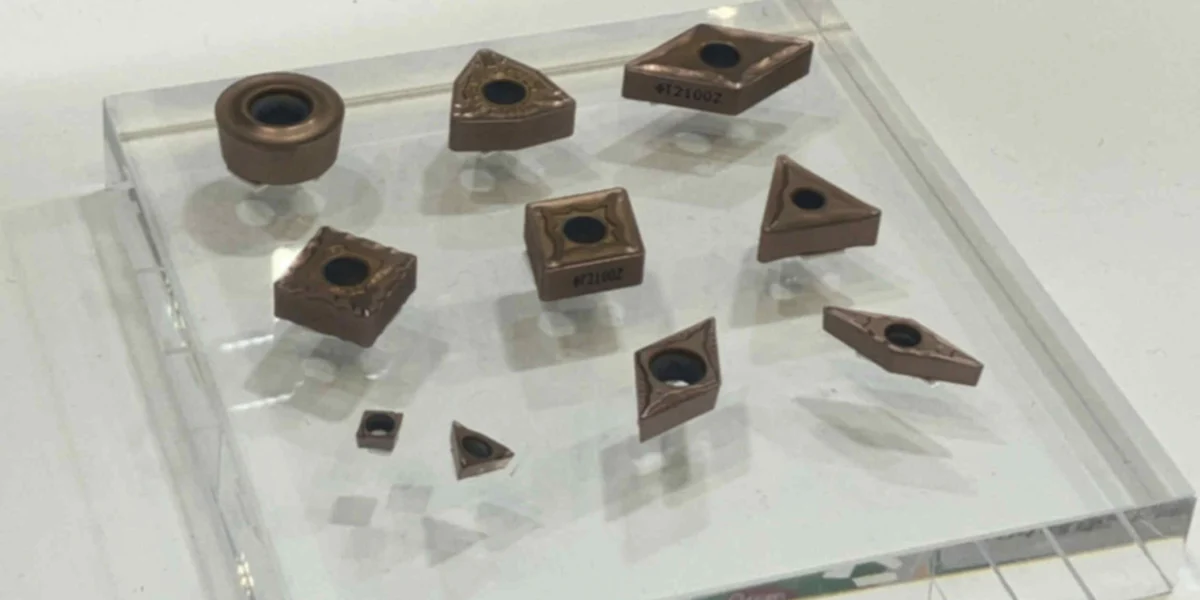
The global materials industry is currently navigating a complex landscape, marked by escalating prices and supply chain vulnerabilities for several critical metals. Among these, tungsten has emerged as a focal point of concern, primarily due to the significant influence of China as the world’s dominant producer. In response to these market dynamics, Japanese industrial giant Sumitomo Electric Industries is proactively diversifying its product offerings, specifically by developing and promoting ultrahard tools that utilize substantially less tungsten. This strategic pivot reflects a broader industry trend driven by the imperative to secure stable supply chains and mitigate the financial risks associated with volatile commodity prices.
The impetus behind Sumitomo Electric’s enhanced focus on reduced-tungsten tooling stems directly from China’s increasingly assertive export policies regarding raw materials. While specific details of recent export curbs are often not publicly disclosed in advance, the potential for such measures has been a persistent concern for global manufacturers reliant on Chinese supplies. Tungsten, a vital component in the production of cemented carbides and other ultrahard materials, is indispensable for a wide array of industrial applications, including cutting tools, drilling equipment, wear-resistant parts, and even high-temperature alloys.
A Timeline of Shifting Market Dynamics and Technological Adaptation
The global reliance on China for tungsten has been a defining characteristic of the market for decades. China accounts for approximately 85% of the world’s primary tungsten production and holds significant reserves. This concentration of supply has historically granted China considerable leverage in global trade negotiations and has made international industries acutely aware of their dependence.
In recent years, geopolitical tensions and a growing emphasis on domestic resource security within China have led to increased scrutiny of its export policies. While overt export bans are rare, subtle shifts in quotas, environmental regulations, and internal demand can effectively curtail outward shipments, leading to price spikes and supply disruptions. Observers within the materials sector have noted a pattern of tightening export controls on various critical minerals, including rare earth elements and, more recently, tungsten, often framed by Beijing as necessary for environmental protection and sustainable development.
Sumitomo Electric’s initiative, showcased at the Japan International Machine Tool Fair on October 26, 2026, is not an isolated response but rather a strategic acceleration of existing research and development efforts. The company’s demonstration of tools containing "80% less tungsten content" signifies a substantial technological advancement, suggesting that alternative materials or novel alloy compositions are being effectively integrated. This innovation likely involves a combination of strategies, such as:
- Substitution with Alternative Hard Materials: Exploring and qualifying other superhard materials like cubic boron nitride (CBN) or synthetic diamond for certain applications where tungsten carbide was previously the primary material.
- Alloy Optimization: Developing new tungsten carbide-based alloys that require significantly less tungsten per unit volume while maintaining or even enhancing performance characteristics like hardness, wear resistance, and toughness. This could involve incorporating smaller quantities of tungsten carbide with other binder metals and reinforcing particles.
- Advanced Manufacturing Techniques: Employing sophisticated powder metallurgy and sintering processes that allow for more precise control over material microstructure, thereby maximizing the performance of reduced-tungsten formulations.
The Japan International Machine Tool Fair, a prominent industry event, provides a crucial platform for companies like Sumitomo Electric to unveil technological breakthroughs and gauge market reception. The timing of this announcement, in conjunction with ongoing concerns about tungsten supply, amplifies its significance.
Supporting Data: The Economic Impact of Tungsten Volatility
The price of tungsten has historically been subject to significant fluctuations. While specific real-time price data is proprietary and fluctuates, general market trends illustrate the underlying issue. For instance, in periods of heightened supply concern, the price of tungsten concentrate and its derivatives can surge by tens of percentage points within months. Such volatility directly impacts the cost of manufacturing ultrahard tools.
A typical ultrahard cutting tool, essential for machining high-strength alloys used in aerospace, automotive, and energy sectors, relies on tungsten carbide as its primary hard phase. The cost of tungsten raw material can represent a substantial portion of the final tool’s manufacturing cost. Therefore, a reduction of 80% in tungsten content, if functionally equivalent, could lead to significant cost savings for end-users and improve the profitability of tool manufacturers.
Consider the global demand for cutting tools. The global market for metal cutting tools was valued at over USD 30 billion in 2023 and is projected to grow steadily. A significant portion of this market is served by ultrahard materials. Any disruption or cost increase in the supply of tungsten directly affects this vast market. The International Tungsten Industry Association (ITIA) regularly publishes statistics on global production and consumption, highlighting China’s dominant role. Fluctuations in their reports often correlate with price movements and industrial anxieties.
Reactions and Inferences from Related Parties
While direct quotes from competing manufacturers or Chinese authorities are not provided in the initial report, the actions of Sumitomo Electric are indicative of broader industry sentiment. Competitors are likely engaged in similar research and development. Companies such as Kennametal, Sandvik Coromant, and Mitsubishi Materials are all major players in the ultrahard tooling market and would be acutely aware of the risks associated with tungsten supply. Their silence in the immediate aftermath of Sumitomo’s announcement does not necessarily indicate a lack of activity but rather a strategic approach to market positioning and product development.
From the perspective of end-users, particularly in high-volume manufacturing sectors, the news is likely to be received with cautious optimism. Manufacturers in the automotive and aerospace industries, for example, are constantly seeking ways to reduce production costs while maintaining quality and efficiency. The availability of ultrahard tools with lower tungsten content could offer substantial benefits. However, these end-users will also demand rigorous testing and validation to ensure that the performance and lifespan of these new tools meet their stringent requirements. A premature adoption of untested alternatives could lead to production delays and increased scrap rates, negating any potential cost savings.
Broader Impact and Implications
Sumitomo Electric’s move has several significant implications for the global materials and manufacturing sectors:
- Diversification of Supply Chains: The development of tungsten-reduced tools encourages a broader diversification of raw material sourcing and manufacturing processes. This reduces the over-reliance on a single geographic source, enhancing global supply chain resilience.
- Technological Innovation: The pursuit of alternative materials and optimized alloys drives innovation in materials science and manufacturing technology. This can lead to the discovery of entirely new material properties and applications.
- Geopolitical Risk Mitigation: By lessening dependence on a single critical metal subject to export controls, nations and industries can reduce their vulnerability to geopolitical pressures and trade disputes.
- Economic Competitiveness: For countries like Japan, which are heavily reliant on imported raw materials, technological advancements in material substitution can bolster their industrial competitiveness and reduce import costs.
- Environmental Considerations: While not explicitly stated, the development of more efficient material usage can sometimes align with broader environmental goals by reducing the extraction and processing of certain raw materials.
The long-term impact will depend on the successful commercialization and widespread adoption of these reduced-tungsten tools. The ability of Sumitomo Electric to match or exceed the performance of traditional tungsten carbide tools across a range of applications will be the key determinant of success. If successful, this innovation could reshape the ultrahard tooling market and serve as a model for other industries facing similar material supply challenges. The ongoing evolution of global trade policies and the increasing demand for advanced materials suggest that such strategic adaptations will become increasingly crucial for industrial sustainability and growth. The materials industry is in a constant state of flux, and companies that can proactively address supply chain vulnerabilities through technological innovation are best positioned to thrive in the years to come.
