


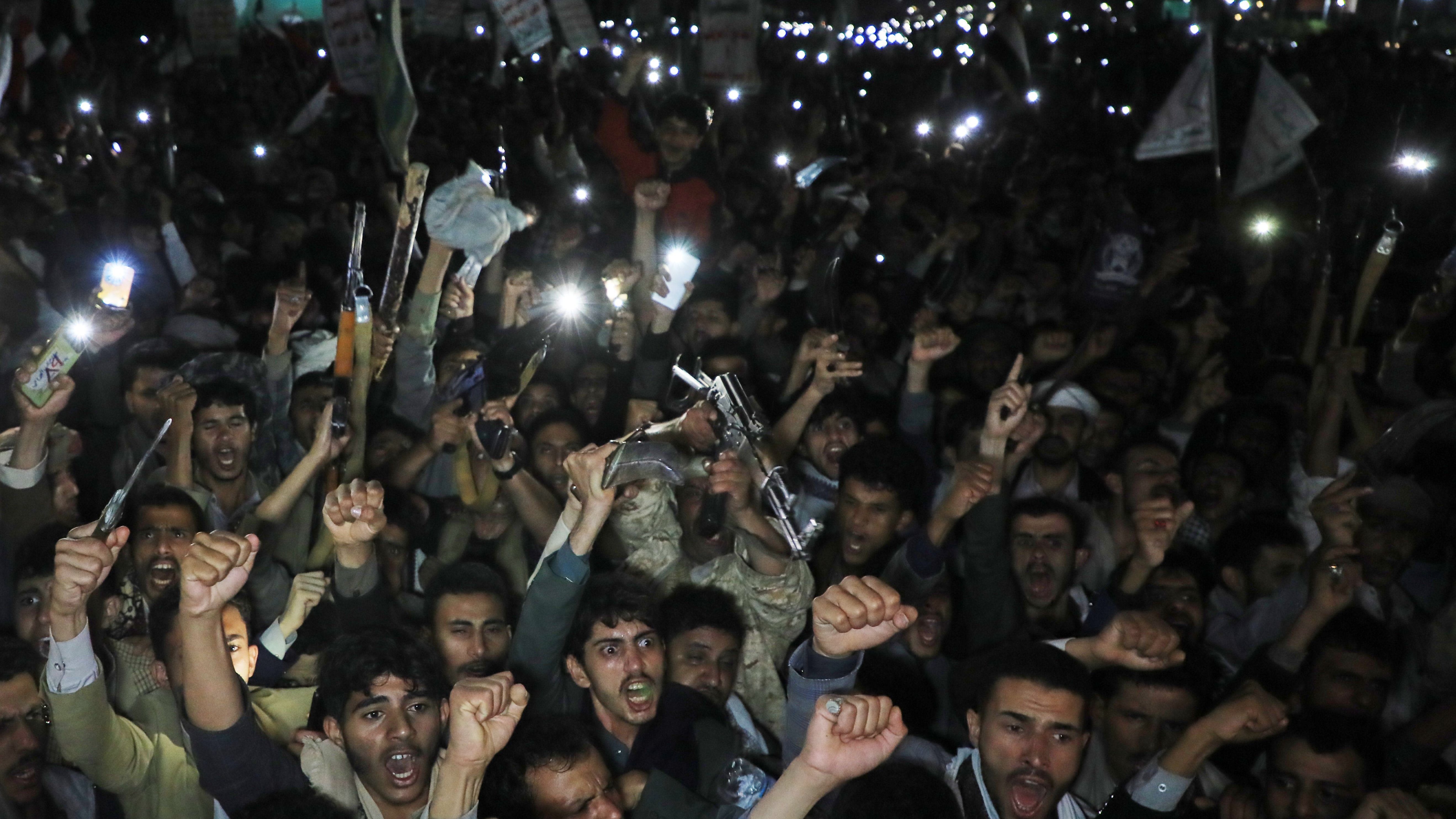
The escalating tensions in the Middle East have taken a potentially grave turn as Iran has reportedly called upon the Houthi militia in Yemen to prepare for the possibility of a sea blockade in the Red Sea. This development, disclosed by three individuals familiar with the matter to the Reuters news agency on Thursday, signals a significant escalation in Iran’s strategy to counter potential U.S. military actions. The Houthi rebels, already engaged in a protracted conflict in Yemen, are seen as a key proxy for Iran in the region, capable of disrupting vital global shipping lanes.
Background Context: A Complex Web of Alliances and Conflicts
The Arabian Peninsula and the broader Middle East have been a crucible of geopolitical conflict for decades. The ongoing civil war in Yemen, which began in late 2014, has drawn in regional powers, most notably Saudi Arabia and Iran, backing opposing sides. The Houthi movement, an armed group that controls significant parts of Yemen, including the capital Sanaa, has increasingly aligned itself with Iran, receiving support and, according to various reports, strategic direction. This proxy relationship allows Iran to exert influence and project power without direct military confrontation, a tactic employed across various regional conflicts.

The Red Sea, and specifically the Bab al-Mandab strait, is a critical chokepoint for global maritime trade, particularly for oil and gas shipments. Control over this waterway grants significant strategic leverage. Any disruption here could have cascading effects on the global economy, impacting energy prices and supply chains worldwide. This vulnerability has been a persistent concern for international powers and global markets.
The Strait of Hormuz, another vital maritime passage, is already under significant pressure due to Iran’s own strategic positioning. Iran has repeatedly asserted its ability to control this strait, a claim that has historically heightened tensions with the United States and its allies. The possibility of a dual blockade, encompassing both the Red Sea and the Strait of Hormuz, would represent an unprecedented threat to global energy security.

Timeline of Escalation and Key Developments
The reported directive to the Houthis comes amidst a backdrop of heightened military activity and diplomatic maneuvering between Iran and the United States.
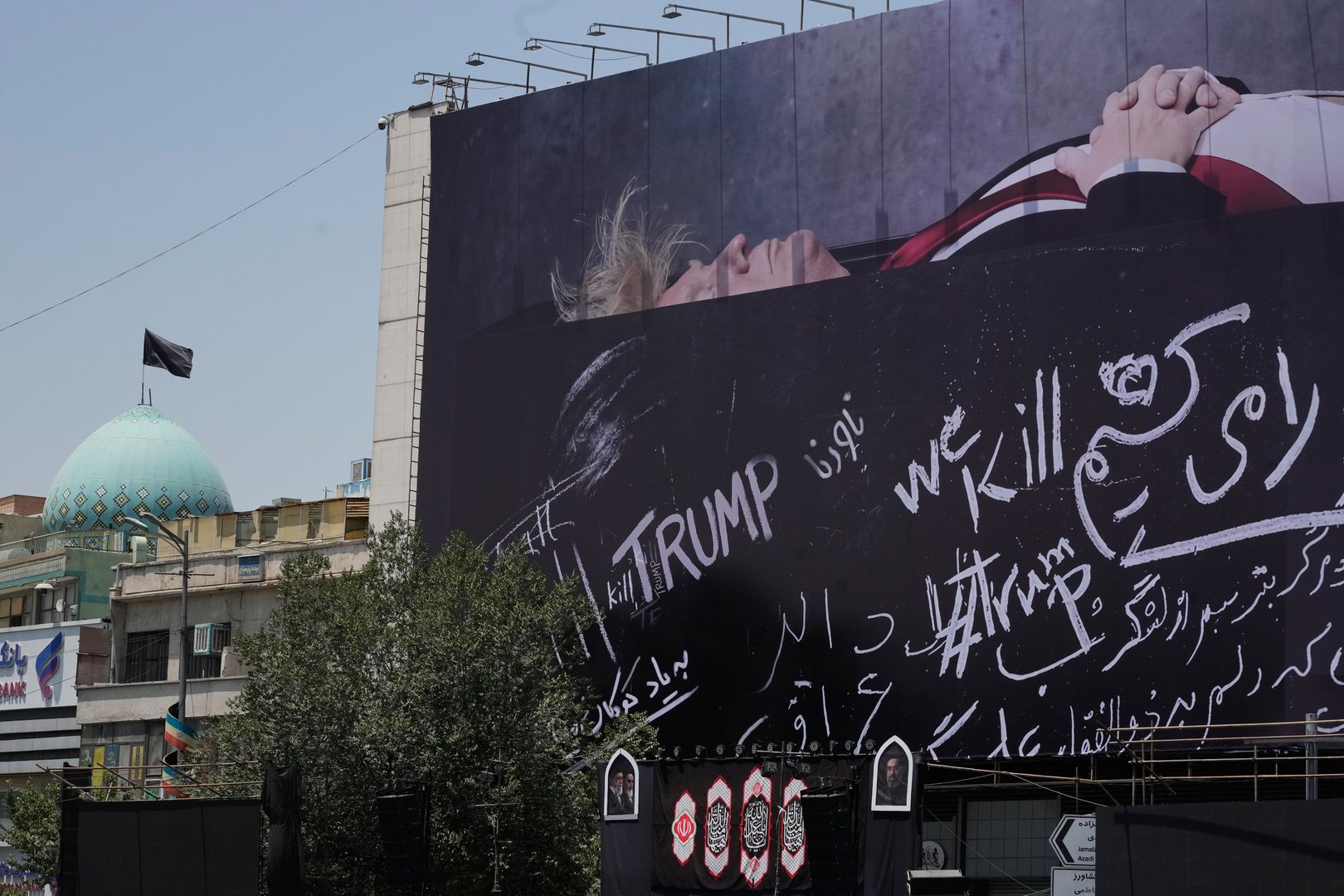
- Recent U.S. Military Actions: The United States has reportedly intensified its airstrikes on targets within Iran in recent days. These actions appear to be a response to ongoing provocations and a broader strategy to pressure Iran. The U.S. Central Command (Centcom) has confirmed multiple waves of attacks, aiming to disrupt Iran’s military capabilities and deter further aggression.
- Iran’s Retaliatory Stance: Iran has responded to these U.S. actions with increased rhetoric and, according to reports, retaliatory strikes against targets in neighboring countries. This tit-for-tat exchange has raised concerns about a wider regional conflict.
- The Houthi Factor: The Houthi militia, in parallel with Iran’s strategic directives, has reportedly completed preparations for attacks on shipping. Sources indicate the stationing of missiles and drones near the Bab al-Mandab strait, awaiting further orders. The ultimate decision regarding a blockade is reportedly in the hands of Iranian Revolutionary Guard Corps (IRGC) representatives present in Yemen.
- Kuwait Reports Renewed Shelling: Kuwait has reported ongoing shelling originating from Iran, highlighting the direct impact of the escalating regional tensions on its territory. The Kuwaiti military stated that its air defense systems were actively intercepting projectiles from the Islamic Republic.
- Gaza Strip Developments: In a related but distinct conflict, the Gaza Strip has seen continued Israeli military operations, resulting in reported casualties. Observers note a significant increase in Israeli attacks, reaching levels not seen since the ceasefire in October. This rise is attributed by some to domestic political pressures on Israeli Prime Minister Benjamin Netanyahu ahead of the upcoming October elections.
- U.S. Pressure Tactics: The U.S. has been employing a dual approach of increased military pressure and diplomatic threats. President Donald Trump has issued strong warnings about targeting civilian infrastructure in Iran, while simultaneously offering gestures of goodwill, such as the release of a detained American citizen.
- Iran’s "Red Line" on Hormuz: Iran has consistently emphasized that control over the Strait of Hormuz is a "red line." Iranian military spokespersons have declared their capability to dominate the waterway from any point within their territory, underscoring its strategic importance.
- Diplomatic Efforts and Setbacks: Despite the escalating military rhetoric, there have been intermittent diplomatic engagements. However, the ongoing cycle of attacks and counter-attacks suggests that a diplomatic resolution remains distant. The U.S. has been actively involved in trying to de-escalate tensions, but the effectiveness of these efforts is constantly tested by the unfolding events on the ground.
- India’s Maritime Concerns: India, a significant player in global shipping with a large seafaring population, has taken protective measures by prohibiting Indian sailors from working on ships in the Strait of Hormuz due to escalating violence. This decision followed the deaths of two Indian sailors in recent attacks in the region, prompting India to lodge a protest with Iran.
Supporting Data and Implications
The strategic significance of the Red Sea and the Strait of Hormuz cannot be overstated. Prior to the conflict, approximately one-fifth of the world’s oil and gas supply transited through the Strait of Hormuz. Disrupting this flow would have immediate and severe consequences for the global economy, potentially leading to:
- Soaring Energy Prices: A blockade would drastically reduce the global supply of oil and gas, leading to a surge in prices at the pump and for industrial consumers. This could trigger inflation and slow down economic growth worldwide.
- Supply Chain Disruptions: The Red Sea is a vital artery for container shipping, connecting Europe and Asia. A blockade would force vessels to take longer, more expensive routes around Africa, leading to significant delays and increased shipping costs.
- Geopolitical Instability: An escalation of conflict in this region could draw in more regional and global powers, further destabilizing an already volatile area. The potential for a wider war involving major military forces remains a significant concern.
- Economic Impact on Regional Nations: Countries heavily reliant on maritime trade, such as those in the Middle East and Africa, would face severe economic repercussions.
The reported Houthi preparations signal a willingness to employ asymmetric warfare tactics to achieve strategic objectives. The use of missiles and drones, coupled with the potential for a sea blockade, represents a sophisticated and potentially devastating form of leverage against more powerful adversaries.
Analysis of Iran’s Strategy

Iran’s alleged directive to the Houthis can be interpreted as a calculated move to expand its retaliatory capabilities and deter further U.S. military action. By empowering its proxies, Iran can project strength and inflict significant damage on its adversaries’ interests without engaging in direct military confrontation. This strategy allows Iran to:
- Deter U.S. Aggression: The threat of a disrupted global energy supply serves as a potent deterrent against direct U.S. attacks on Iranian infrastructure.
- Amplify Regional Influence: By leveraging its alliances, Iran can demonstrate its ability to destabilize key maritime routes, thereby increasing its regional standing and influence.
- Create Leverage for Negotiations: The disruption of global trade can be used as a bargaining chip in future negotiations, potentially forcing concessions from the U.S. and its allies.
However, this strategy also carries significant risks. An aggressive move by the Houthis could provoke a strong military response from the United States and its allies, potentially leading to a wider regional conflict. The economic consequences of such a blockade would also be felt by Iran itself, as it relies on global trade for its own economic survival.

Statements and Reactions from Related Parties (Inferred)
While direct official statements from all parties involved in this rapidly evolving situation are not yet available, several reactions can be logically inferred based on their established positions:

- United States: The U.S. would likely view any Houthi-led blockade as an unacceptable threat to global security and freedom of navigation. Expect strong condemnations, increased naval presence in the region, and potentially further military actions against Houthi assets and their Iranian backers. The U.S. has consistently maintained that it will ensure the free flow of commerce in international waters.
- Iran: Iran would likely deny direct involvement while simultaneously celebrating any disruption to U.S. interests. Official statements would likely frame any Houthi actions as a legitimate response to U.S. aggression and a defense of regional sovereignty.
- Houthi Movement: The Houthis would likely present any blockade as a defensive measure and a response to U.S. and coalition actions. They would likely frame it as a means to pressure their adversaries and assert their control over vital Yemeni territories and strategic waterways.
- Regional Powers (e.g., Saudi Arabia, UAE): These nations, which have been directly involved in the Yemen conflict, would likely express grave concern over the potential for further regional destabilization and a renewed surge in hostilities. They would likely urge de-escalation and adherence to international maritime law.
- International Shipping Companies and Global Markets: These entities would be on high alert, assessing the risks and potentially rerouting vessels or increasing insurance premiums. Any confirmed blockade would trigger significant market volatility.
Broader Impact and Implications
The potential for a Red Sea blockade by Iran-backed Houthis is a stark reminder of the interconnectedness of global security and the fragility of international trade routes. The implications extend far beyond the immediate region:

- Global Economic Stability: The disruption of vital shipping lanes could have a profound impact on global economic stability, exacerbating inflation and slowing down economic growth in an already uncertain global landscape.
- Increased Regional Tensions: This move, if executed, would significantly escalate tensions between Iran and the United States, as well as among regional powers. It could draw other nations into the conflict, leading to a broader conflagration.
- Humanitarian Concerns: The ongoing conflict in Yemen has already resulted in a severe humanitarian crisis. Any further escalation, including actions that further disrupt the delivery of essential goods, would worsen the situation for the Yemeni population.
- The Future of Proxy Warfare: This development highlights the evolving nature of proxy warfare, where non-state actors are increasingly used as instruments of state power to achieve strategic objectives and exert significant influence on the global stage.
The reported Iranian directive to the Houthis is a critical development that warrants close monitoring. The coming days and weeks will be crucial in determining whether this threat materializes and what the subsequent repercussions will be for regional and global stability. The interconnectedness of the geopolitical landscape means that any significant disruption in this vital maritime region will inevitably have far-reaching consequences.
